Shoulder Brace Benefits for Shoulder Pain: What They Do and When They Help
If you are wondering what a shoulder brace does or whether shoulder braces work, the short answer is this: a shoulder brace may help reduce discomfort, improve support, and limit irritating movement while your shoulder calms down or recovers. It is not a cure on its own, but for many people it can be a useful part of a broader recovery plan.
Shoulder pain can show up after sports, lifting, repetitive work, poor posture, a minor strain, or recovery from an injury. In those situations, the right brace may provide helpful support during daily activity. If you want to compare styles, you can browse this shoulder support brace collection after reading.
What are shoulder braces used for?
A shoulder brace is usually worn to support the shoulder joint and surrounding muscles when the area feels painful, unstable, overworked, or vulnerable to re-injury. Depending on the design, a brace may help with:
- Light stabilization during everyday movement
- Compression around the shoulder and upper arm
- Posture awareness during sitting or desk work
- Support during recovery from overuse or strain
- Reducing movements that tend to aggravate symptoms
People often look for braces when dealing with general shoulder pain, tendon irritation, rotator cuff discomfort, mild instability, or soreness that flares up during work, exercise, or sleep. If your pain is severe, follows a fall, includes major weakness, numbness, swelling, or visible deformity, it is best to get medical advice instead of relying on a brace alone.
Key shoulder brace benefits
1. Support for irritated or tired shoulders
One of the main shoulder brace benefits is added support. When the joint feels overworked, a brace can make movement feel more controlled and less stressful. This can be especially helpful during routine tasks like walking, light chores, desk work, or commuting.
2. Gentle compression
Many shoulder braces use a wraparound design that provides light to moderate compression. Some people find that compression makes the shoulder feel more secure and comfortable, especially during activity.
3. Better movement awareness
A brace can remind you not to overreach, lift carelessly, or repeat movements that keep irritating the area. That extra awareness is one reason some people feel a brace helps even when it is not rigid.
4. Help during recovery
For mild strains, overuse, or return-to-activity phases, a brace may be a practical support tool while you gradually resume normal movement. It can also be useful when you need extra confidence during light exercise or daily tasks.
5. Posture support in some situations
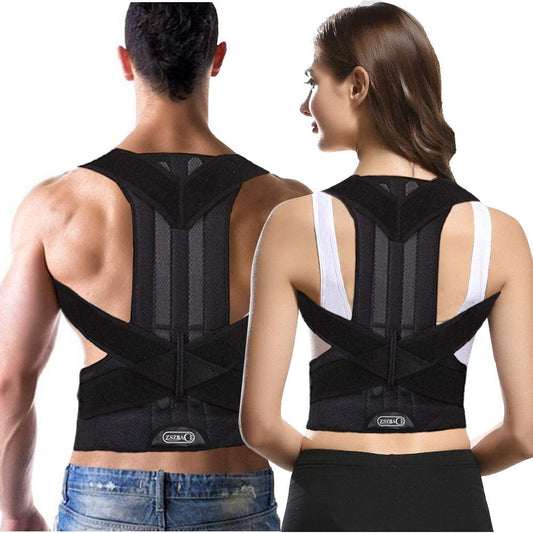
Not all shoulder pain starts with an injury. For some people, long hours at a desk, rounded shoulders, or poor upper-body posture can contribute to discomfort. In those cases, posture-focused support may help you maintain better positioning during the day. For more on wear time and practical use, see what you need to know about wearing a shoulder brace.

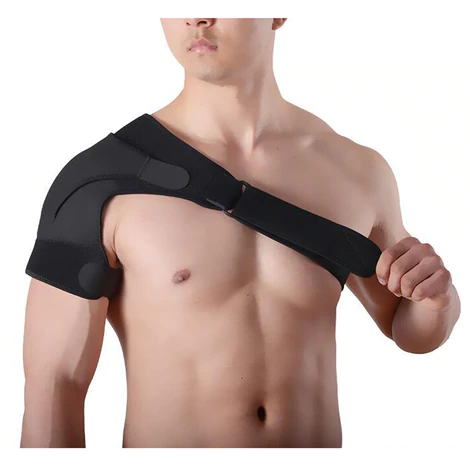
Compression shoulder support wrap for injury recovery and tendonitis relief.
Why it may help: A wraparound compression style can be a practical option for everyday shoulder support when you want adjustability and a closer fit.
Do shoulder braces work?
They can, when they match the problem and are used appropriately. A brace works best as a support tool, not as a standalone fix. For example, it may help if:
- Your shoulder feels better with light compression or support
- Certain movements aggravate symptoms and you need a reminder to limit them
- You are returning to activity and want extra confidence
- You spend long hours at work in positions that strain your shoulders
A brace may help less if the fit is poor, the support level is wrong for your needs, or the real issue requires rest, rehab exercises, or professional evaluation. For a broader overview of options and uses, read The Ultimate Guide to Shoulder Support.
When a shoulder brace may be useful
A shoulder brace may be worth considering when shoulder pain is linked to:
- Repetitive overhead activity
- Mild shoulder strain or sprain
- Tendonitis or irritated soft tissue
- Rotator cuff discomfort
- General instability or weakness during activity
- Posture-related shoulder fatigue
- Recovery after activity when the shoulder feels overworked
If you are not sure what may be causing your symptoms, this article on common causes of shoulder pain can help you think through possible triggers.
Common mistakes people make with shoulder braces
- Wearing the wrong type: A posture brace and a compression shoulder wrap do different jobs.
- Wearing it too loosely: If it shifts constantly, support is reduced.
- Wearing it too tightly: Too much pressure can feel uncomfortable and may limit comfort during normal use.
- Using it as the only solution: A brace may help symptoms, but it should not replace appropriate rest, gradual strengthening, or medical guidance when needed.
- Ignoring worsening symptoms: If pain keeps increasing, do not simply tighten the brace and push through.
How to choose the right brace for shoulder pain
When comparing braces for shoulder pain, focus on your main need:
Choose a compression shoulder brace if you want:
- Day-to-day support
- A wraparound fit
- Help during light activity
- Support for general soreness, strain, or tendon discomfort
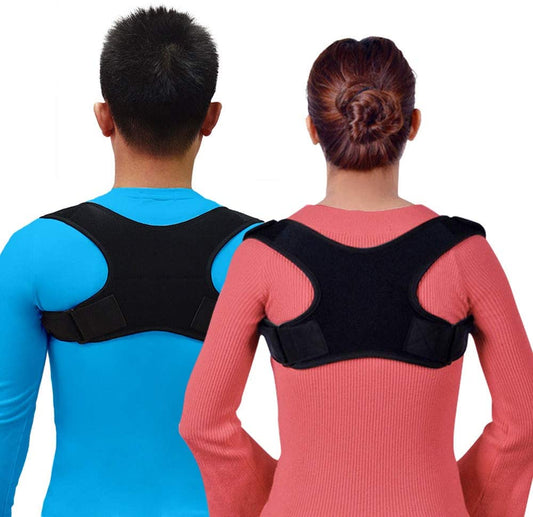
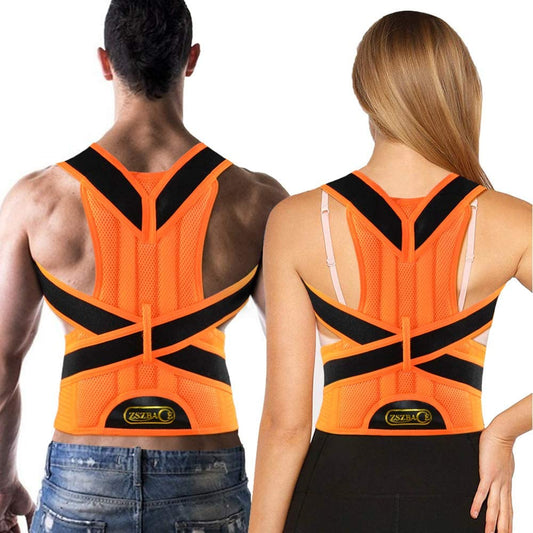
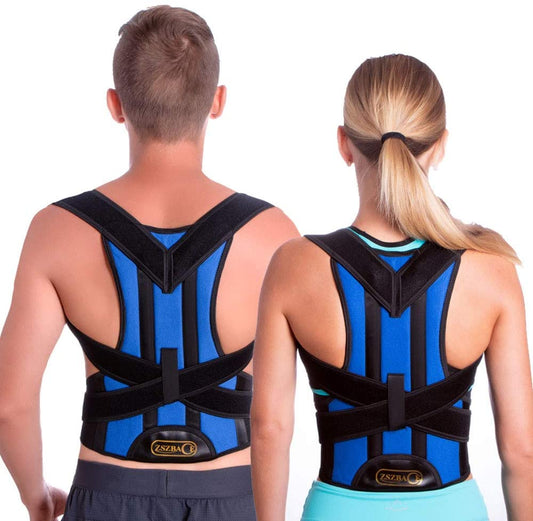
Choose a posture-oriented support if you want:
- Help with rounded shoulders
- Better alignment during desk work
- A reminder not to slump forward
If you want to see more styles in one place, explore the shoulder brace collection for compression and support options.

Adjustable Shoulder Support Brace
Adjustable neoprene shoulder support for left or right shoulder comfort and recovery.
Why it may help: This style may suit readers who want moderate support for activity, recovery, or everyday stability without a bulky design.
How long should you wear a shoulder brace?
That depends on why you are using it. Some people wear one only during exercise or work, while others use it during the part of the day when pain tends to flare up. The goal is usually targeted support, not constant dependence. If you need more detail, visit what you need to know about wearing a shoulder brace for a fuller breakdown.
Helpful next step if you are comparing options
If this article helped you narrow down what type of support you need, a good next step is to browse the full shoulder support brace collection. That lets you compare wrap styles, compression-focused options, and everyday support designs in one place.
Final takeaway
So, what are shoulder braces used for? Mostly, they are used to add support, compression, and movement awareness when the shoulder is painful, irritated, or recovering. Do shoulder braces work? They can, especially when the brace matches your symptoms and is used alongside smart activity choices and appropriate care. The best brace is the one that fits your actual problem, feels comfortable enough to use consistently, and supports your daily routine without becoming a substitute for recovery.
Frequently asked questions
What does a shoulder brace do?
A shoulder brace helps support the shoulder area, provide compression, and reduce movements that may aggravate pain. Many people use one to feel more stable during daily activity or recovery.
Will a shoulder brace help tendonitis?
It may help some people with tendon irritation by providing light support and compression, especially during activity. It does not treat the underlying cause by itself, so rest, activity changes, and other care may still be important.
What is a shoulder brace used for after exercise?
After exercise, some people use a shoulder brace when the joint feels sore, overworked, or unstable. It may provide a more secure feeling while the shoulder settles down.
Can I wear a shoulder brace at work?
In many cases, yes, especially if your work involves repetitive arm movement, desk posture strain, or light physical tasks. Comfort and fit matter, and you should avoid using a brace to push through serious pain.