
Postpartum Abdominal Support and Diastasis Recti: What a Belly Band Can Do

A softer abdomen, a changed waistline or a ridge down the middle of your tummy can raise questions after childbirth. One possible explanation is diastasis recti, a widening between the two sides of the rectus abdominis muscles. A postpartum band may make some movements feel more supported, but recovery involves more than holding the abdomen in.
What is diastasis recti?
During pregnancy, the expanding uterus stretches the abdominal wall and the connective tissue between its two muscle columns. Some separation is common. After birth, the area often gradually recovers, although the amount and timing vary. A persistent gap is not a personal failure or something that can be judged from clothing size.
You might notice a bulge or a raised ridge when sitting up, getting out of bed or lifting. Some people describe reduced abdominal support or discomfort. The NHS post-pregnancy guide advises contacting a clinician if separation remains obvious around eight weeks after birth. You can seek help earlier if pain or daily activities are a problem.
Assessment looks at function as well as the gap
A pelvic health physiotherapist can assess the separation, abdominal control and how you move. A home finger-width check may help you notice change, but it does not tell the whole story or replace an assessment. Explain whether you have pain, doming with particular tasks, pelvic floor symptoms or concerns about a localized lump.
Leeds Teaching Hospitals describes specialist assessment and an exercise programme as part of management. A clinician can also consider whether a separate problem, such as a hernia, needs attention. A visible bulge should not automatically be treated as a sizing problem for a tighter garment.
What supports recovery?
Rehabilitation usually starts with controlled, manageable movement and progresses as your recovery allows. Deep abdominal and pelvic floor work can be part of that programme. The aim is to restore useful control for breathing, standing, lifting and caring for your baby, rather than chase a particular appearance or a fixed recovery deadline.
In the early weeks, Whittington Health's physiotherapy guidance recommends reducing strain during everyday tasks. Roll onto your side before pushing up from bed, arrange baby-care surfaces at a comfortable height, and avoid holding your breath or straining. If an exercise causes prominent doming or discomfort, reduce the difficulty and ask your physiotherapist how to adapt it. Exercise progression should reflect your birth, symptoms and examination.
What can a postpartum belly band do?
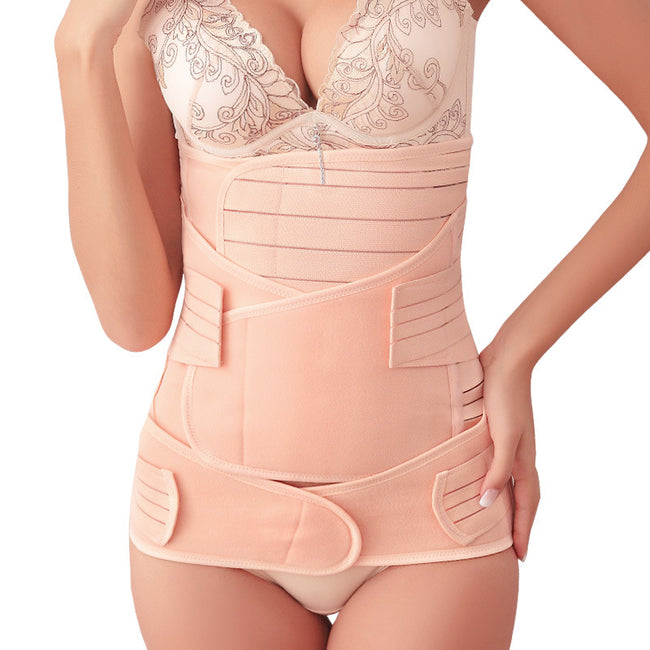
An elastic band or abdominal binder can provide external support and a sense of containment during selected activities. It may also act as a reminder about posture and movement. It does not strengthen the muscles, repair the stretched tissue by itself or guarantee that the separation will close. Cleveland Clinic specifically distinguishes the supportive role of binders from treatment that rebuilds abdominal function.
Oxford University Hospitals includes abdominal support as an option alongside exercises. Think of the garment as an aid during recovery, with rehabilitation continuing underneath it. If you have had a caesarean birth, confirm suitable timing and placement with your maternity team, particularly if the incision is painful or not healing normally.
Choosing a useful support, not a smaller waist
When comparing postpartum abdominal supports, look for a clearly stated measuring position, adjustable fastening and a height that allows you to sit comfortably. The postpartum support band you choose should match your current measurements. Selecting a smaller size to apply more pressure is not a treatment for diastasis.
- Check that you can breathe normally and move without pinching.
- Make sure the edges do not dig into your ribs, hips or an incision.
- Recheck fit as swelling and body measurements change.
- Follow your recovery team's wearing advice; there is no universal number of hours that repairs abdominal separation.
When to get help
Persistent separation, pain or difficulty progressing with activity warrants a pelvic health assessment. Worsening abdominal pain with fever or unusual postnatal bleeding needs prompt medical advice. Sudden heavy bleeding with faintness or a racing heart is an emergency, as explained in the NHS guidance on recovery after birth.
Sources and further reading
Written by the ZSZBACE editorial team. Sources checked November 2026.
Products mentioned in this guide
Product details
3-in-1 Postpartum Belly Wrap for Abdominal & Lower Back Support
Gentle abdominal support after delivery
$51.00 USD
View sizes & details