
Copper Compression Socks for Circulation, Work, Travel & Recovery
-
Compression Socks for Women & Men – Knee-High Support for Running, Travel & Pregnancy
20–30 mmHg support in a knee-high format for the foot, ankle and calf.
View sizes & detailsRegular price $15.99 USDRegular price$26.99 USDSale price $15.99 USDSale -
Argyle Knee-High Compression Socks
20–30 mmHg support in a knee-high format for the foot, ankle and calf.
View sizes & detailsRegular price $15.99 USDRegular price$26.99 USDSale price $15.99 USDSale -
Patterned Compression Socks for Women and Men
20–30 mmHg support in a knee-high format for the foot, ankle and calf.
View sizes & detailsRegular price $15.99 USDRegular price$26.99 USDSale price $15.99 USDSale -
Open-Toe Knee-High Compression Socks
20–30 mmHg support in a knee-high format for the foot, ankle and calf.
View sizes & detailsRegular price $29.99 USDRegular price$37.99 USDSale price $29.99 USDSale -
Plantar Fasciitis Foot Sleeves for Heel & Arch Comfort
Room for the toes
View sizes & detailsRegular price $19.99 USDRegular price$32.99 USDSale price $19.99 USDSale -
Blue Zoned-Knit Compression Socks
20–30 mmHg support in a knee-high format for the foot, ankle and calf.
View sizes & detailsRegular price $19.99 USDRegular price$27.99 USDSale price $19.99 USDSale -
15–20 mmHg Compression Socks for Tired Legs, Work & Travel
15–20 mmHg support for tired legs
View sizes & detailsRegular price $18.99 USDRegular price$26.99 USDSale price $18.99 USDSale -
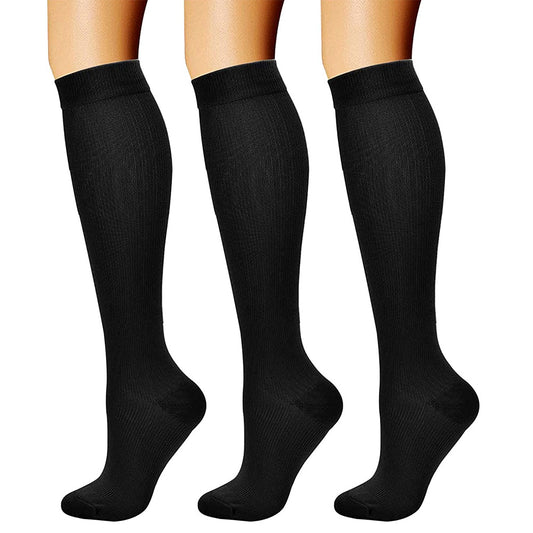
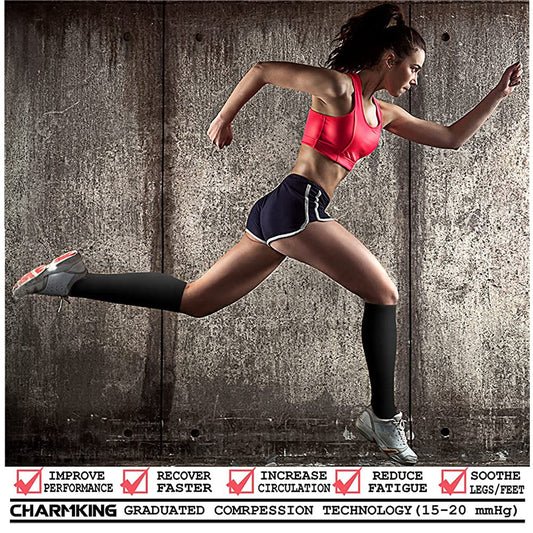 Sold out
Plain Black Compression Socks
15–20 mmHg support in a knee-high format for the foot, ankle and calf.
View sizes & detailsRegular price $23.99 USDRegular price$30.00 USDSale price $23.99 USDSold out -
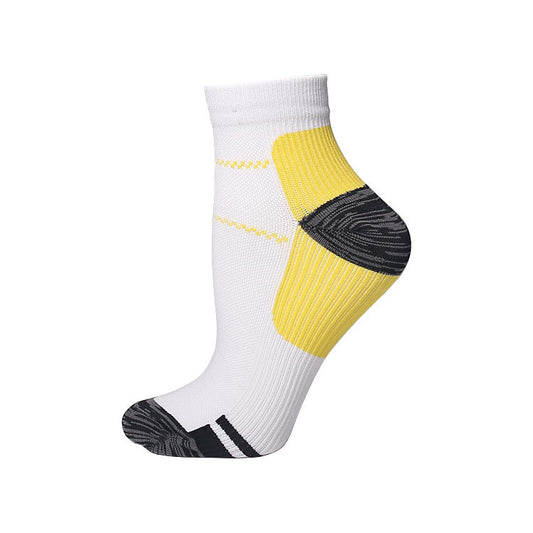
Black Ankle-Length Compression Socks
Zoned knit gives a close support feel around the arch and heel.
View sizes & detailsRegular price $14.99 USDRegular price$25.00 USDSale price $14.99 USDSale -
Orange-Panel Short Compression Socks
Seamless toe closure creates a smoother feel inside shoes.
View sizes & detailsRegular price $14.99 USDRegular price$25.00 USDSale price $14.99 USDSale -
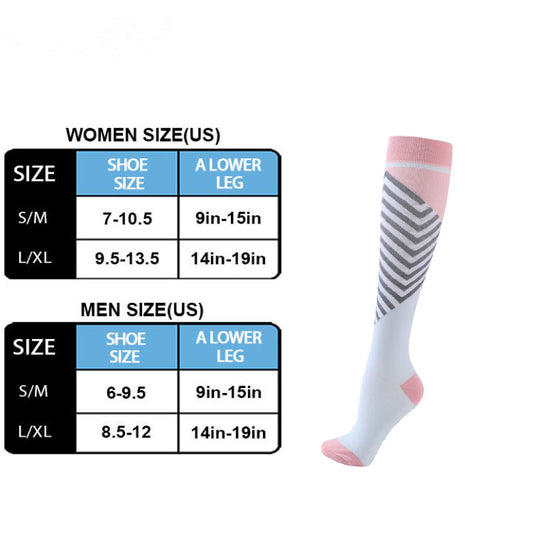
Pink-Cuff Chevron Compression Socks
Knee-high compression coverage for a supported feel through the foot, ankle and calf.
View sizes & detailsRegular price $17.99 USDRegular price$35.00 USDSale price $17.99 USDSale -
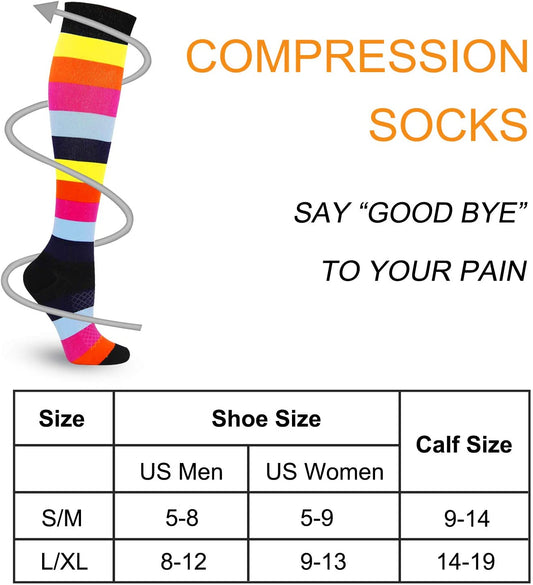
Rainbow Stripe Compression Socks
Knee-high compression coverage for a supported feel through the foot, ankle and calf.
View sizes & detailsRegular price $15.99 USDRegular price$26.99 USDSale price $15.99 USDSale -
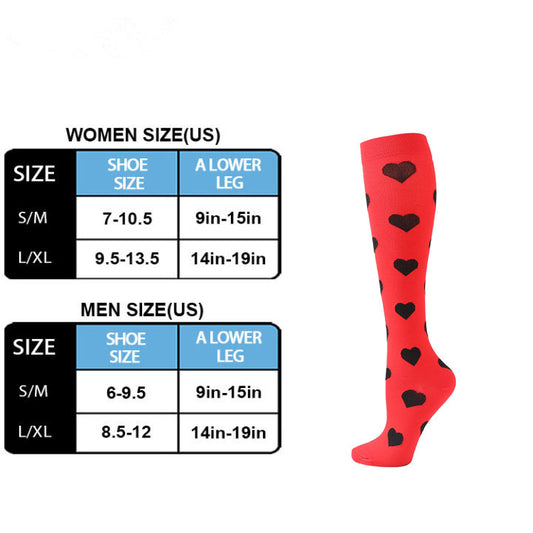
Black Heart on Red Compression Socks
15–20 mmHg support in a knee-high format for the foot, ankle and calf.
View sizes & detailsRegular price $17.99 USDRegular price$35.00 USDSale price $17.99 USDSale -
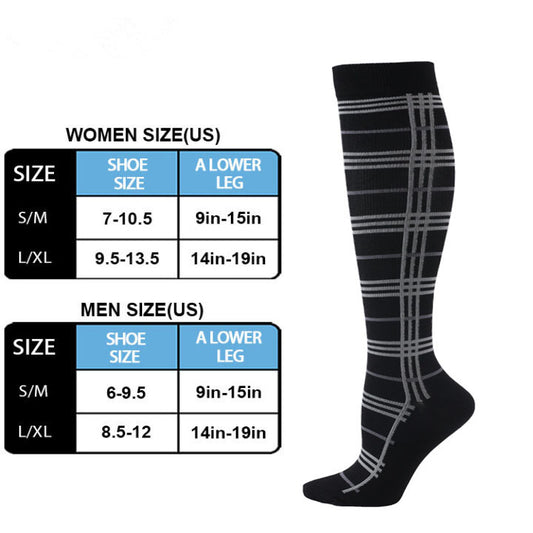
Gray Grid Compression Socks
15–20 mmHg support in a knee-high format for the foot, ankle and calf.
View sizes & detailsRegular price $17.99 USDRegular price$35.00 USDSale price $17.99 USDSale -
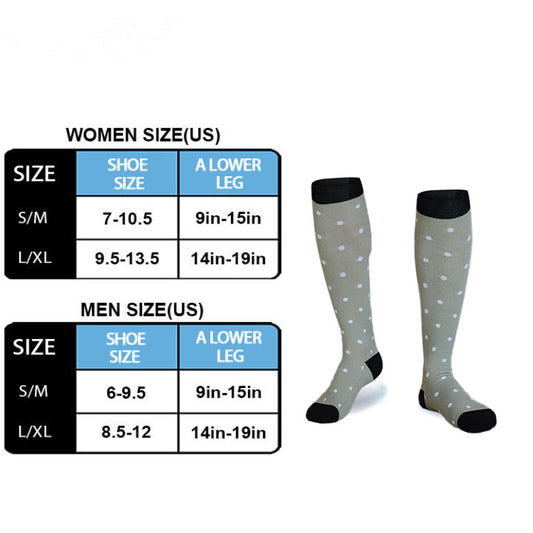
Gray Polka Dot Compression Socks
15–20 mmHg support in a knee-high format for the foot, ankle and calf.
View sizes & detailsRegular price $17.99 USDRegular price$35.00 USDSale price $17.99 USDSale -
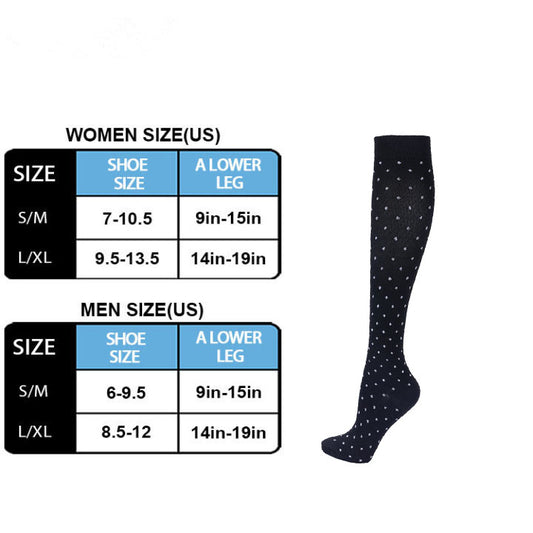
White Mini Dot Compression Socks
20–30 mmHg support in a knee-high format for the foot, ankle and calf.
View sizes & detailsRegular price $17.99 USDRegular price$35.00 USDSale price $17.99 USDSale
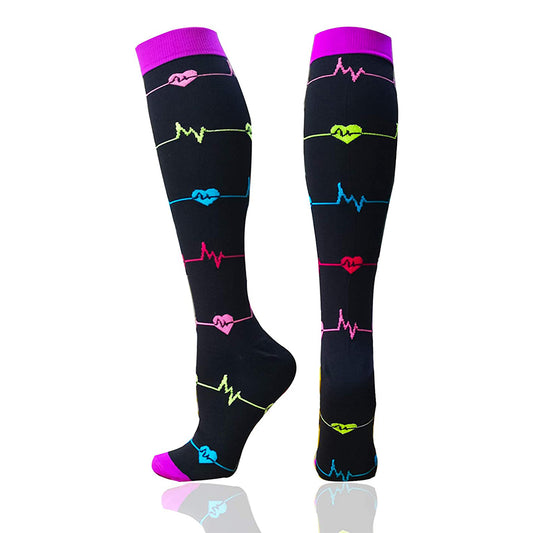
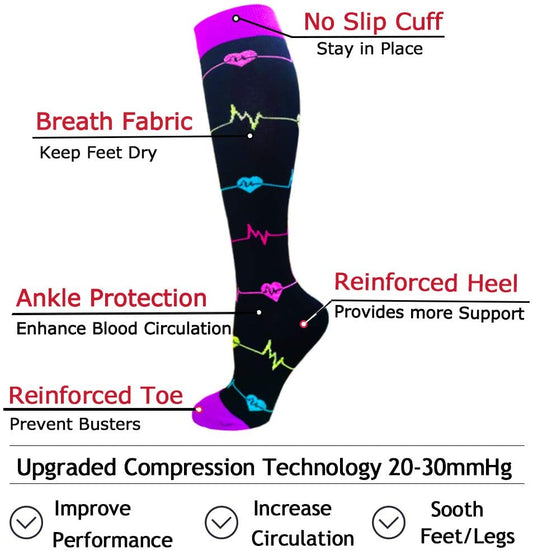


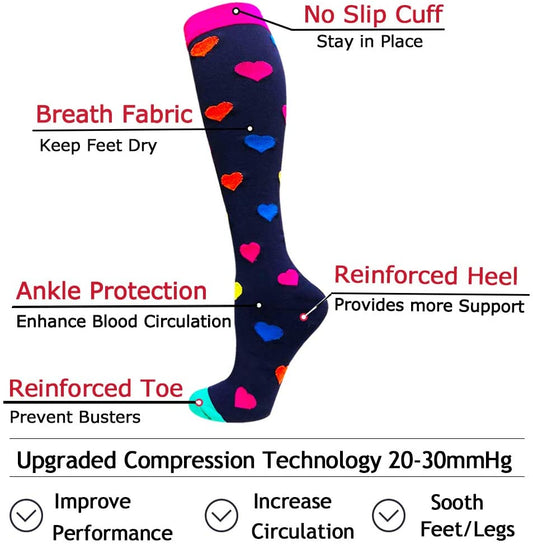


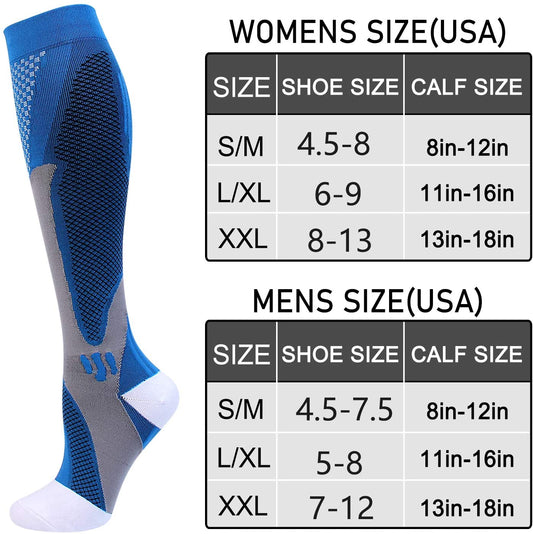

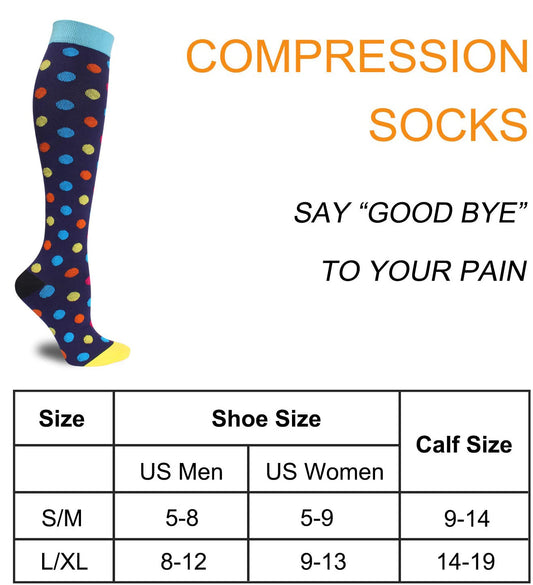

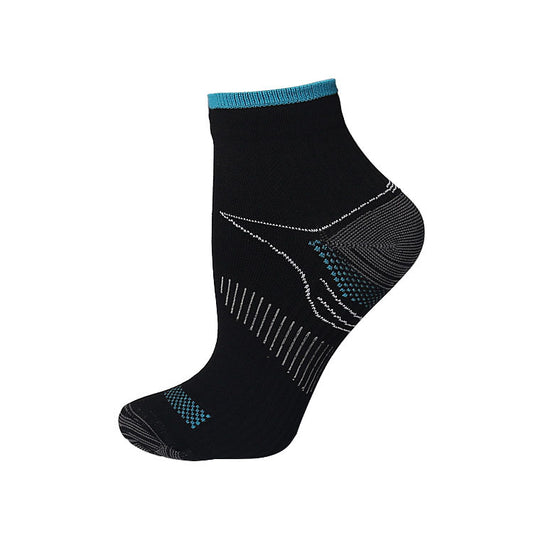







Compare compression socks by their confirmed fabric, pressure, length and fit. Some products here have copper identified in their material information; others do not. Check the fiber information for the selected model if copper content matters to your choice. The support from compression comes from the garment's pressure and fit, not from an assumption about the metal in the fabric.
Check the material for the exact model
Read the individual fiber specification if copper content is important to you. Choose from the named fibers and construction on the product specification. Copper wording also does not establish antibacterial performance, treatment of a condition or medical certification.
Choose pressure for a reason
Pressure ratings vary between models, so compare the specification for the exact option you plan to buy. Choose the range recommended for your needs and verify it for the selected model. Do not move to 20–30 mmHg simply because you prefer a stronger feel. If a value is missing or inconsistent, confirm it before a pressure-specific purchase.
Work, travel and active routines
- For long shifts, compare calf coverage, cuff fit, fabric and the room available inside your work shoes.
- For travel, combine appropriate support with ankle movement and walking breaks when possible; compression does not replace a personal blood-clot prevention plan.
- For exercise, check the stated cushioning and construction and choose a comfortable fit. A stronger pressure is not a proven performance upgrade.
- For shorter coverage, compare ankle socks by their foot-and-ankle features. They do not provide the calf coverage of a knee-high stocking.
Fit before pattern
Measure where the individual chart directs you, compare the correct shoe-size scale and confirm the chosen color and quantity. Do not size down to create more compression. If you have reduced sensation, poor arterial circulation or unexplained swelling, get fitting advice before using compression.
Compare individual models
These links let you inspect the exact product. Match confirmed specifications to your needs before choosing a print or color.
- Fine Gray Stripe Compression Socks — compare this model's own coverage, materials and fit chart.
- Teal Stripe and Dot Compression Socks — compare this model's own coverage, materials and fit chart.
- Pineapple Print Compression Socks — compare this model's own coverage, materials and fit chart. The historical listing states an unusual 15–21 mmHg range; confirm the required pressure before purchase.
- Stripe and Dot Compression Socks — compare this model's own coverage, materials and fit chart.
- White Polka Dot Compression Socks — compare this model's own coverage, materials and fit chart.
- Graduated Copper Compression Socks for Men & Women, 20–30 mmHg — compare this model's own coverage, materials and fit chart.
- Paint Splash Compression Socks — compare this model's own coverage, materials and fit chart.
- Multicolor Dot on Black Compression Socks — compare this model's own coverage, materials and fit chart. Its stated fabric is nylon/spandex; the link is not evidence of copper content or medical certification.
Related sock styles
- men's and women's compression socks collection
- short compression socks collection
- women's compression socks collection
Further reading
These guides provide background for shopping and foot care. A product or article title does not establish that compression is appropriate for a particular medical condition.
- why nurses wear compression socks
- reasons nurses should wear compression socks
- compression stockings during or after exercise
- the best compression stockings for your elderly loved ones
Leg swelling, pressure and a measured fit
Heavy legs or ankle swelling may relate to prolonged standing, sitting or vein problems, but swelling has other causes too. Compression may help suitable symptoms when pressure and fit are appropriate. Check the exact product’s rating and ankle, calf and length measurements. New unexplained one-sided swelling needs assessment; buying a firmer sock is not a way to treat a possible clot.
-
Varicose veins, swelling and compression
Pressure selection, leg symptoms and when to seek care. -
Measure for compression socks
Use ankle, calf, length and the selected product’s chart. -
Compression socks vs. calf sleeves
Compare foot coverage, length and how each garment fits.
