


Free Shipping
Multi-Strap Full Back Posture Support
Multi-Strap Full Back Posture Support
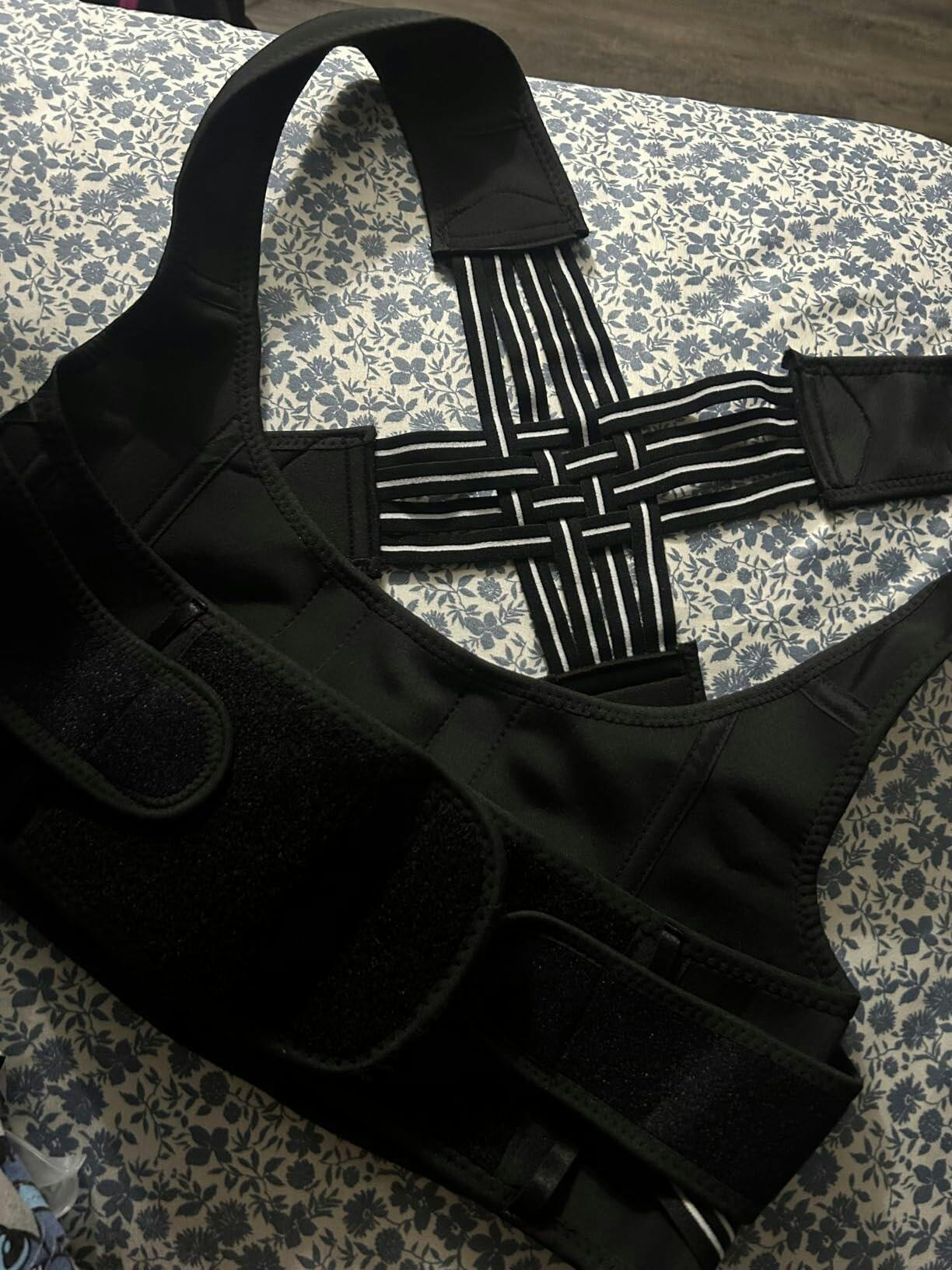
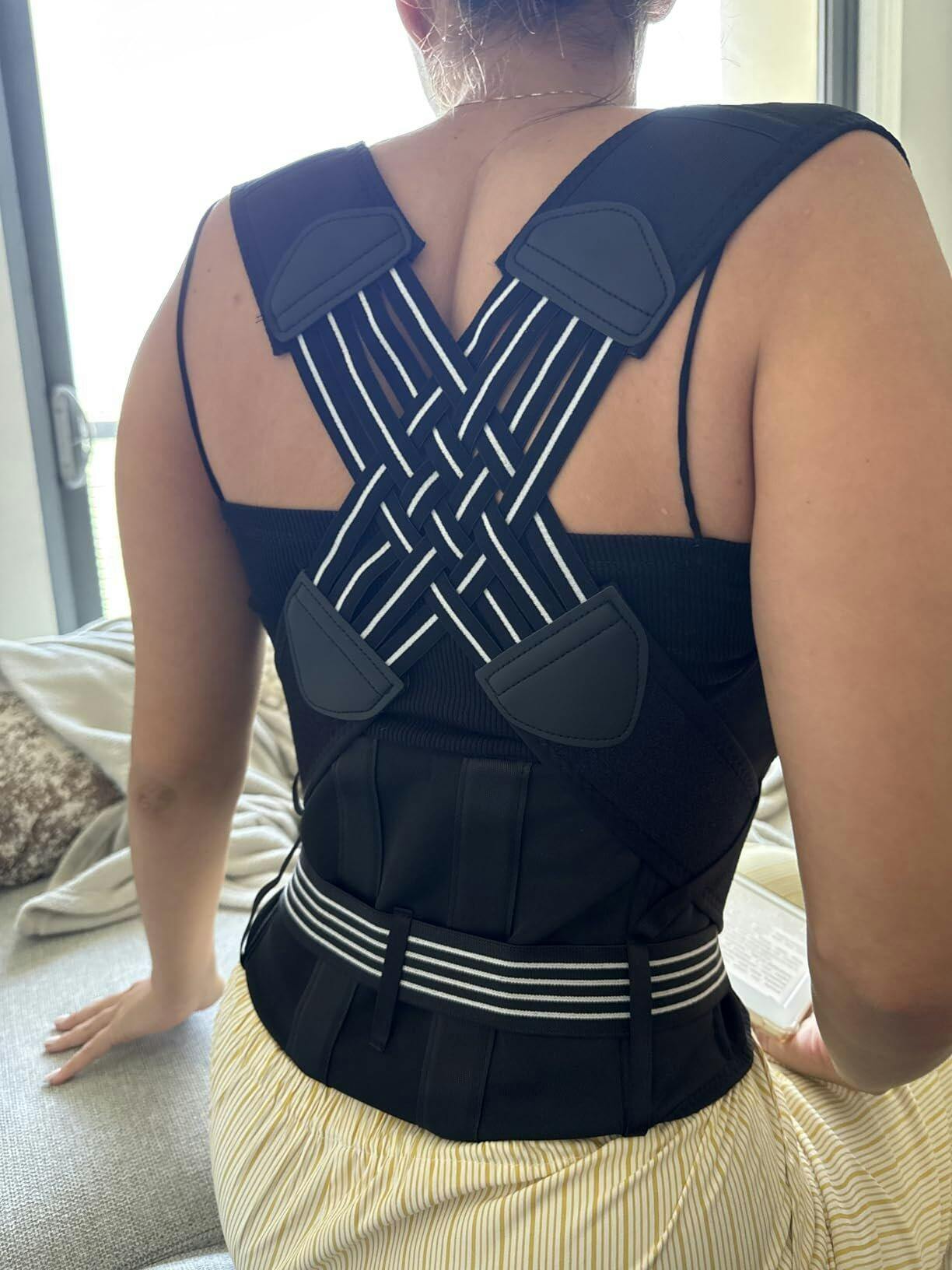
Crossing straps connect the shoulder support to a broad waist panel.
- Full Back Posture Brace
- Coverage: Upper Back, Lumbar, Shoulder
- High quality cross straps (elastic and comfortable)
- User-friendly & Easily Wear by Yourself
- "X" Shaped Back Straps Offer Added Support to Back & Shoulder
- Adjustable & Lightweight Full Back Support
- Upper & Lower Back Pain Relief
- Scoliosis, Hunchback, Hump, Thoracic, Spine Correction
Specifically Designed for:
- Poor Posture Correction and Spinal Support
- Back Pain Relief for Men and Women
- Support for Heavy Lifting Work
- Ideal Holiday Gift for Family and Friends
- Better Posture, Enhanced Confidence
Size Guide — measure before you choose
Measure around the waist and compare the height reference as well. Shoulder-to-waist fit depends on torso length as well as circumference.
| Size | Waist circumference (cm) | Height reference (cm) |
|---|---|---|
| M | 68–75 | 150–165 |
| L | 72–80 | 160–178 |
| XL | 78–86 | 165–180 |
| XXL | 85–93 | 165–180 |
| XXXL | 90–103 | 170–185 |

Check the selected size, color, side and quantity before adding to cart. Photos may show more than one option.
Check your selected size and option before adding to cart.
Couldn't load pickup availability

45 Day Returns & Exchanges

Safe & Secure Purchases

Comfort-Fit Guarantee


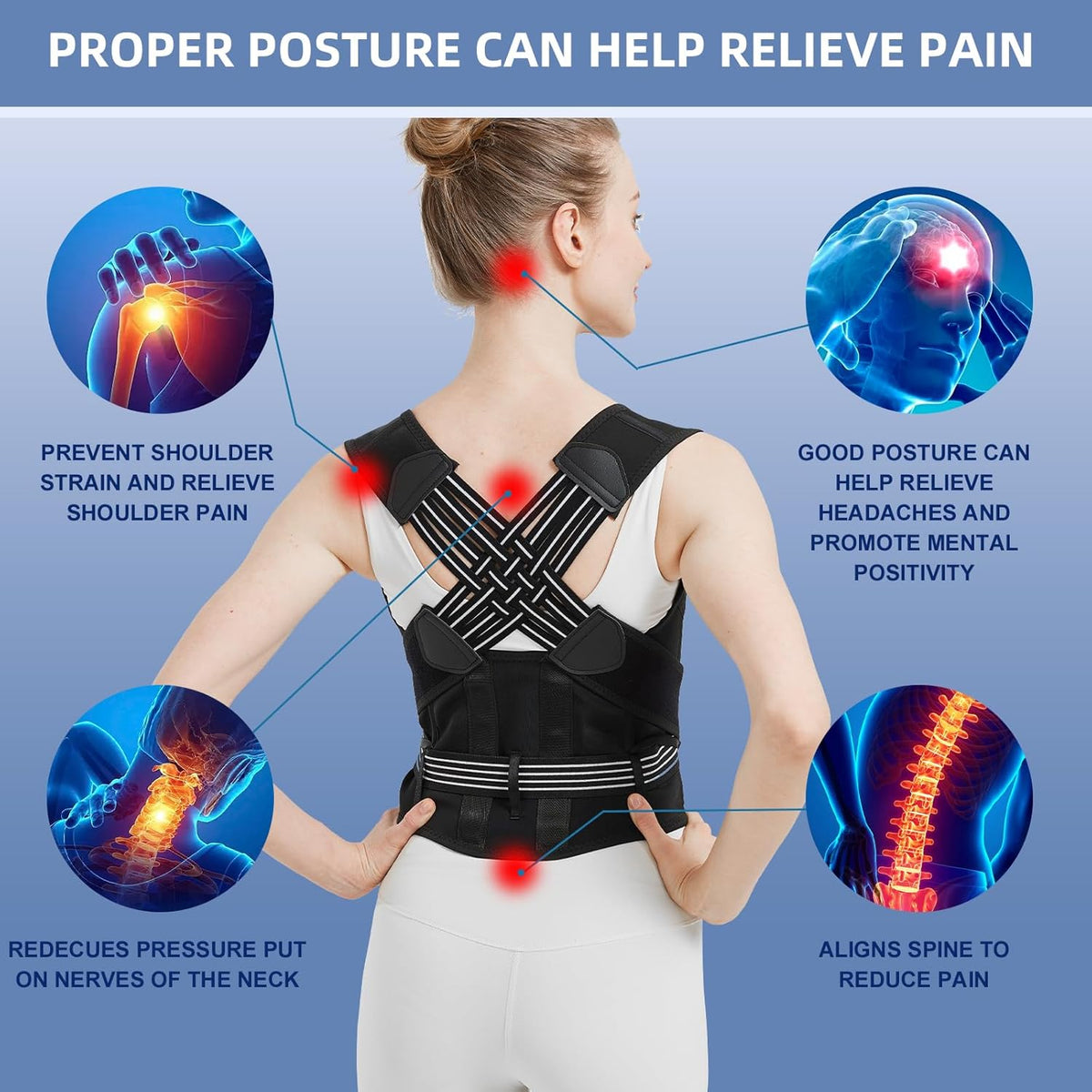
Crossing straps connect the shoulder support to a broad waist panel.
Bring the shoulder straps and waist section together in one adjustable back support. The extended back panel connects the upper and lower sections, so both the shoulder fit and the waist fit matter when choosing your size.
Coverage & Construction
Shoulders, upper back and waist/lower-back area.
Choose this style when you want connected shoulder-and-waist coverage rather than a waist-only belt.
Design & Adjustment
- Extended back panel: The long panel links the shoulder section to the waist section.
- Shoulder straps: The shoulder loops are part of the fit, so check their position as well as the lower closure.
- Waist panel: The broad waist section adds coverage around the middle of the torso.
- Crossing straps: The straps cross across the support instead of following a single straight band.

Product Specifications
| Detail | Specification |
|---|---|
| Design | Multi-Strap Full Back Posture Support |
| Coverage | Shoulders, upper back and waist/lower-back area |
| Construction | Extended back panel, Shoulder straps, Waist panel, Crossing straps |
| size options | M, L, XL, XXL, XXXL |
Size & Fit
Measure around the waist and compare the height reference as well. Shoulder-to-waist fit depends on torso length as well as circumference.
| Size | Waist circumference (cm) | Height reference (cm) |
|---|---|---|
| M | 68–75 | 150–165 |
| L | 72–80 | 160–178 |
| XL | 78–86 | 165–180 |
| XXL | 85–93 | 165–180 |
| XXXL | 90–103 | 170–185 |
Check the selected size, color, side and quantity before adding to cart. Photos may show more than one option.
How to Wear
- Open the fasteners and loosen the adjustment straps before putting the brace on.
- Slip your arms through the shoulder loops and center the long panel along your back.
- Fasten the waist section, then adjust the shoulder and crossing straps evenly.
- Check the fit while sitting and standing. Keep the shoulder straps flat and avoid pulling them tight enough to dig into the underarms.
Compare Similar Styles
- Broad-Panel Shoulder Posture Support: Choose this style when upper-back and shoulder strap coverage is your priority.
- Striped Dual-Pull Lumbar Belt: Choose this style for waist-level coverage; choose a full-back style if you also want shoulder straps.
Explore Related Collections
Care & Washing
Close hook-and-loop tabs, zippers and other closures before washing. Hand wash in cool or lukewarm water with mild soap, rinse thoroughly and air-dry away from direct heat. Do not bleach, tumble-dry, iron or use fabric softener. Follow the sewn-in care label if it gives different instructions.
Shipping & Returns
Check checkout for the delivery estimate for your address and selected option. See our shipping policy for details. If the size is not right, review the return policy and contact us before sending the item back.
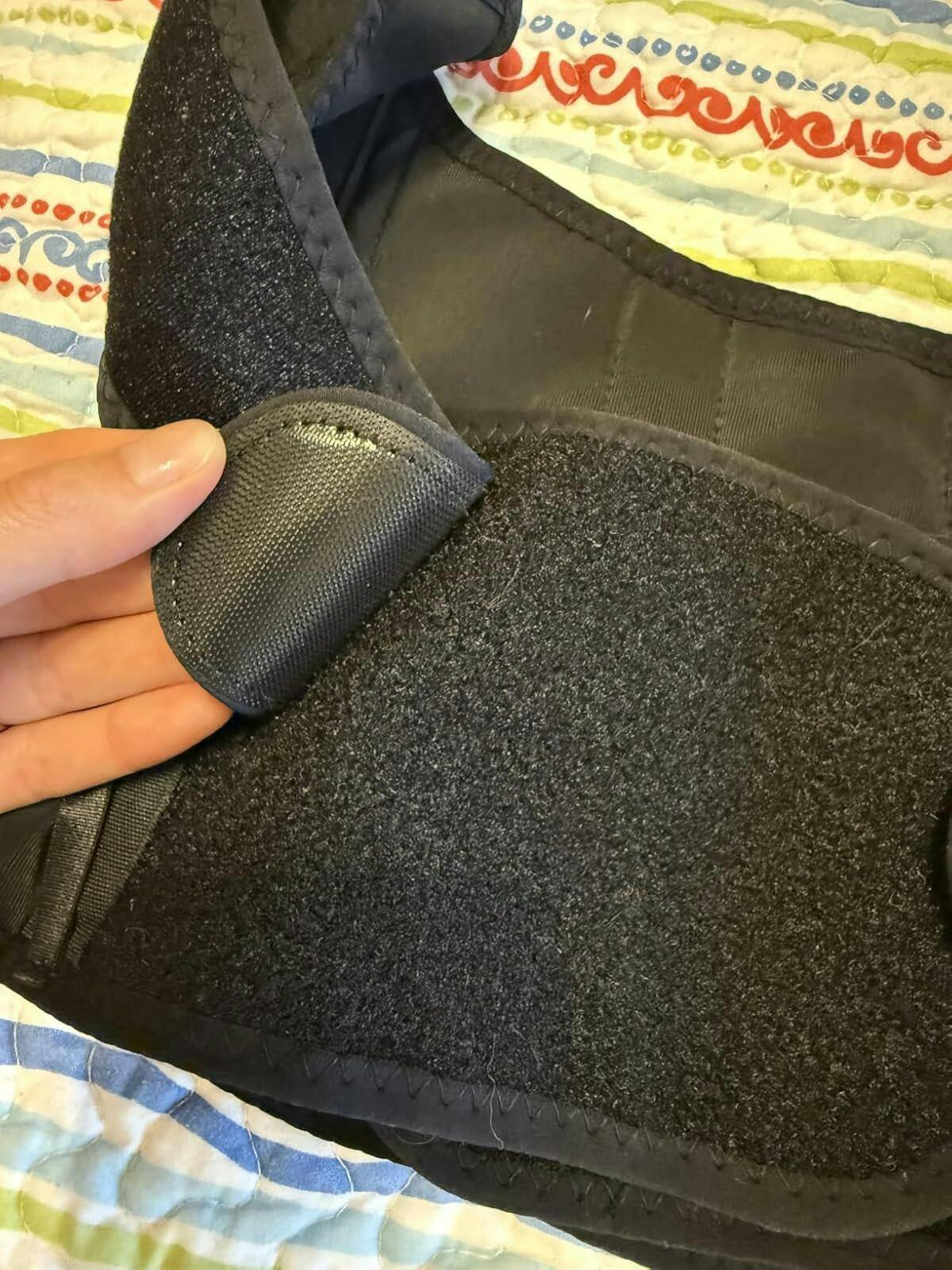
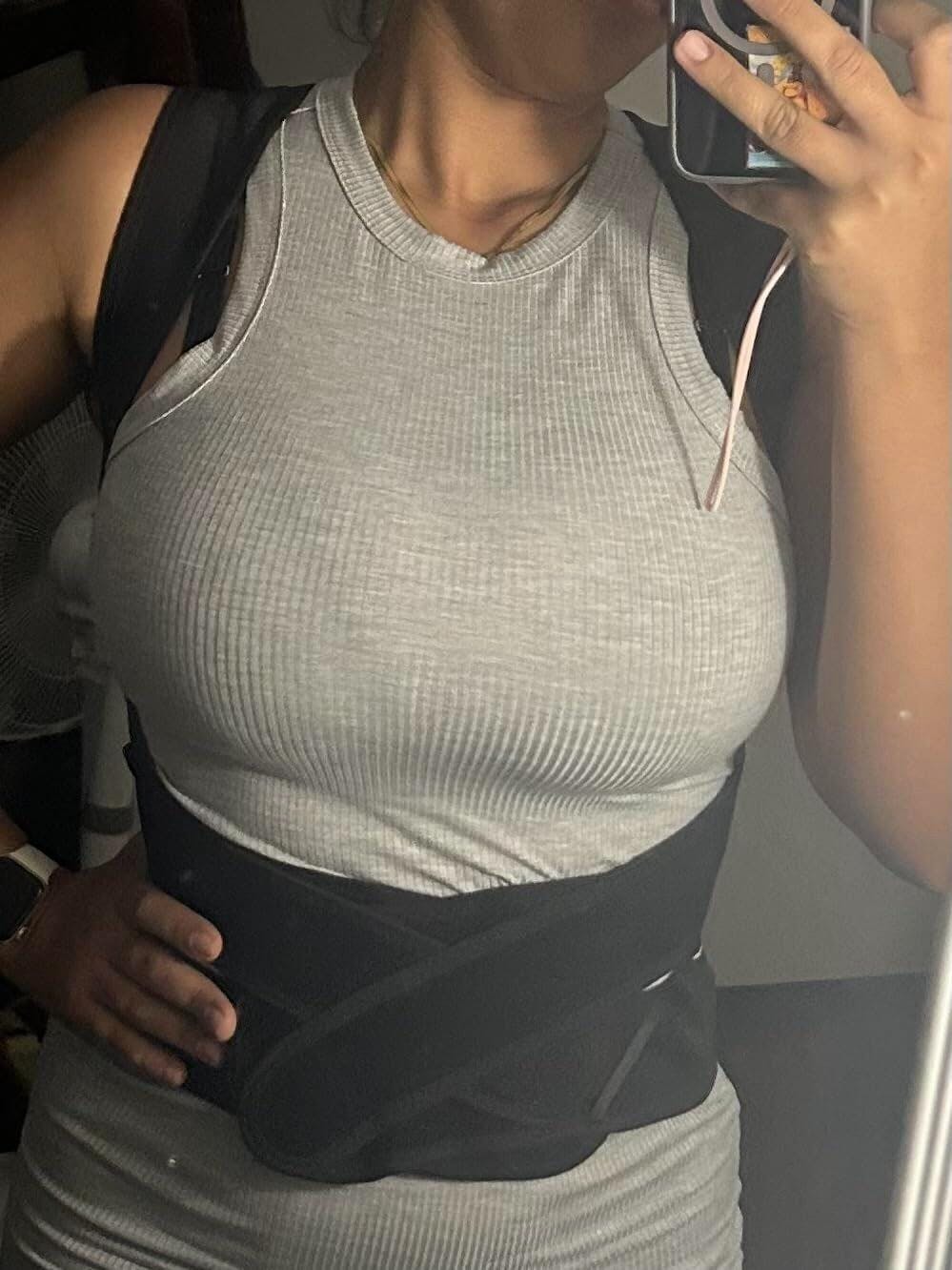
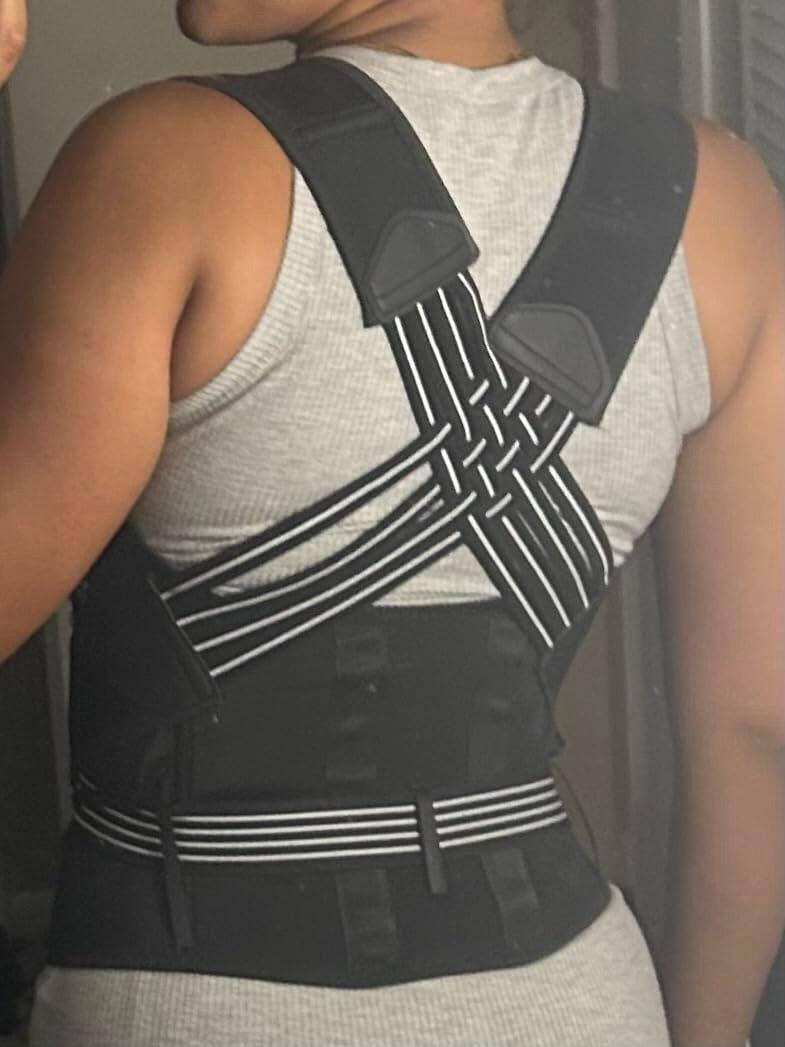
OUR PROMISE TO YOU!
Not 100% satisfied with the brace? No problem, we’ll take it back and issue afull refund. No hidden charges.