
Back & Shoulder Supports
-
Adjustable Back Support Belt
Low-profile adjustable back brace for lower back support and posture help.
View sizes & detailsRegular price $36.00 USDRegular price$59.00 USDSale price $36.00 USDSale -
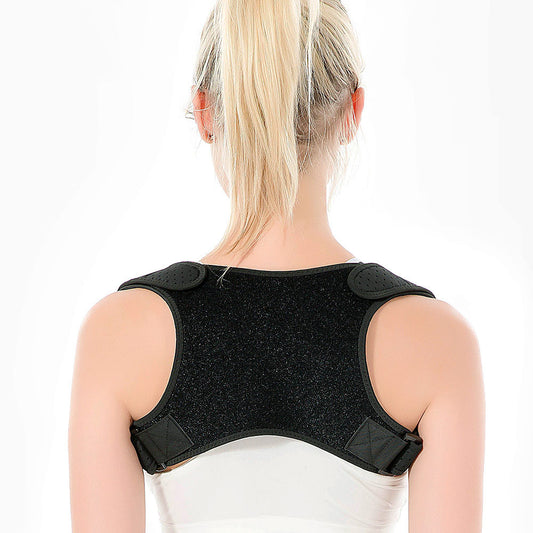
Adjustable Posture Corrector
Adjustable upper back brace for posture support and clavicle alignment.
View sizes & detailsRegular price $25.00 USDRegular price -
Back Posture Corrector
Adjustable breathable back brace for everyday posture support.
View sizes & detailsRegular price $36.00 USDRegular price$59.00 USDSale price $36.00 USDSale -
Posture Corrector Back Brace
Adjustable back brace with shoulder straps for posture support and back alignment.
View sizes & detailsRegular price $36.00 USDRegular price$36.00 USDSale price $36.00 USD -
Posture Corrector Back Brace
Adjustable back brace for posture support and upper-back alignment.
View sizes & detailsRegular price $32.00 USDRegular price$32.99 USDSale price $32.00 USDSale -
Blue Mesh Full Back Posture Brace
Back and shoulder coverage in one adjustable brace.
View sizes & detailsRegular price $36.00 USDRegular price$38.00 USDSale price $36.00 USDSale -
Cross-Wrap Full Back Posture Brace
Crossing straps connect the shoulder support to a broad waist panel.
View sizes & detailsRegular price $37.99 USDRegular price$45.99 USDSale price $37.99 USDSale -
Woven Cross-Back Posture Support Brace
Crossing straps connect the shoulder support to a broad waist panel.
View sizes & detailsRegular price $25.00 USDRegular price$56.00 USDSale price $25.00 USDSale -
Cross-Wrap Full Back Posture Support
Crossing straps connect the shoulder support to a broad waist panel.
View sizes & detailsRegular price $36.00 USDRegular price$55.00 USDSale price $36.00 USDSale -
Cross-Back Posture Brace with Buckle
Panel-based back support with adjustable fastening.
View sizes & detailsRegular price $49.99 USDRegular price$65.00 USDSale price $49.99 USDSale -
Buckle-Strap Full Back Posture Brace
Back and shoulder coverage in one adjustable brace.
View sizes & detailsRegular price $25.00 USDRegular price$35.00 USDSale price $25.00 USDSale -
Multi-Strap Full Back Posture Support
Crossing straps connect the shoulder support to a broad waist panel.
View sizes & detailsRegular price $36.00 USDRegular price$78.00 USDSale price $36.00 USDSale -
Buckle-Adjustable Shoulder Posture Straps
Adjustable shoulder straps for a compact posture-support fit.
View sizes & detailsRegular price $27.99 USDRegular price$35.00 USDSale price $27.99 USDSale -
Mesh Upper Back Brace with Cross Straps
Panel-based back support with adjustable fastening.
View sizes & detailsRegular price $49.99 USDRegular price$65.00 USDSale price $49.99 USDSale -
Broad Upper Back Posture Support Panel
Adjustable shoulder straps for a compact posture-support fit.
View sizes & detailsRegular price $37.99 USDRegular price$45.00 USDSale price $37.99 USDSale -
Long-Panel Full Back Posture Brace
Crossing straps connect the shoulder support to a broad waist panel.
View sizes & detailsRegular price $38.00 USDRegular price$52.00 USDSale price $38.00 USDSale
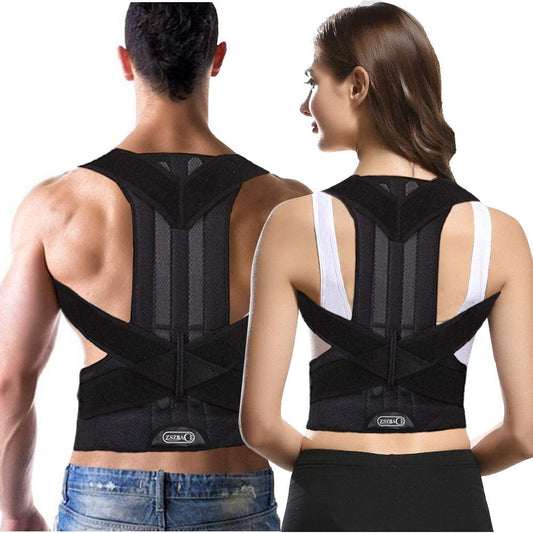
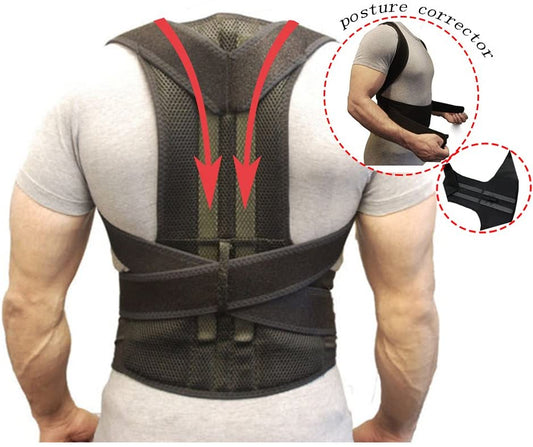
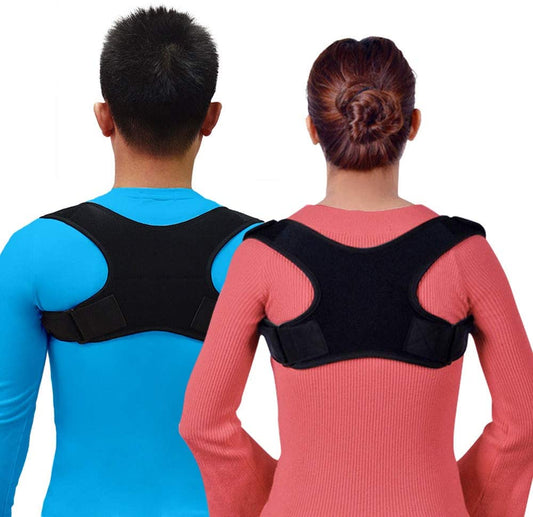
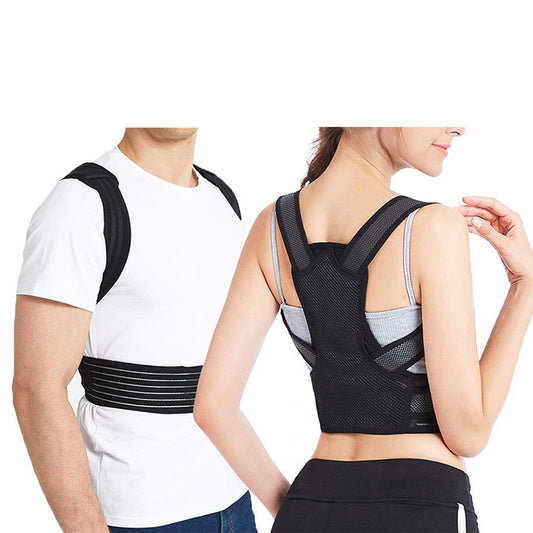

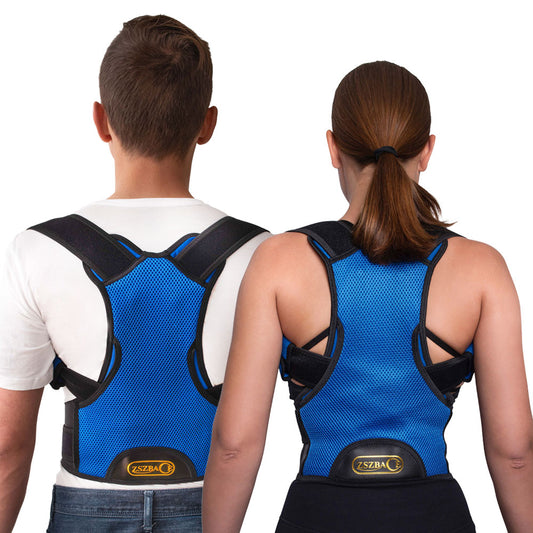

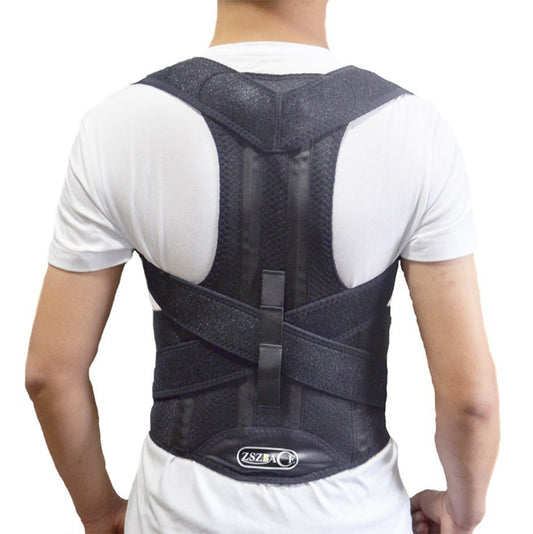

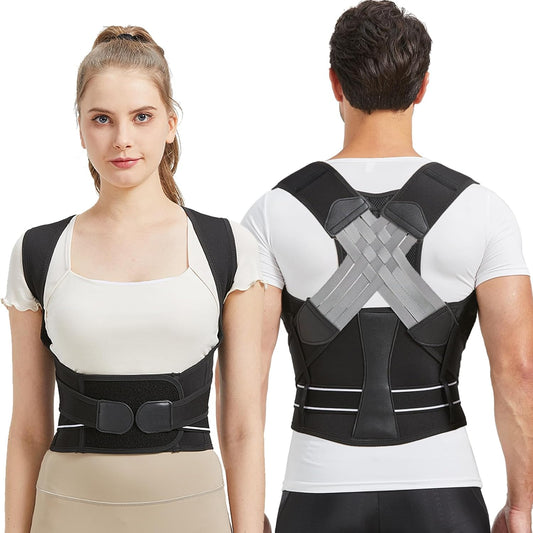







Choose Your Style
What is the main difference between the comparison styles?
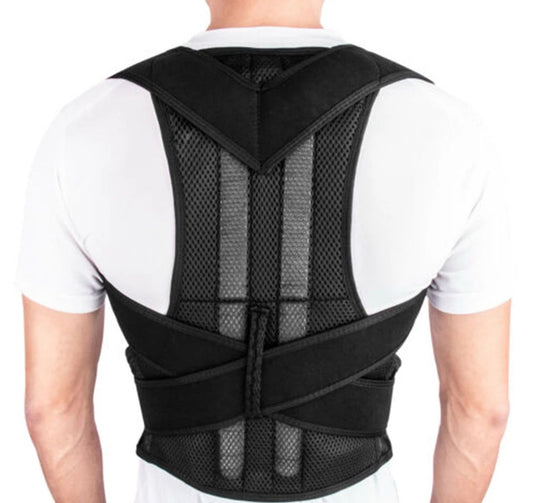
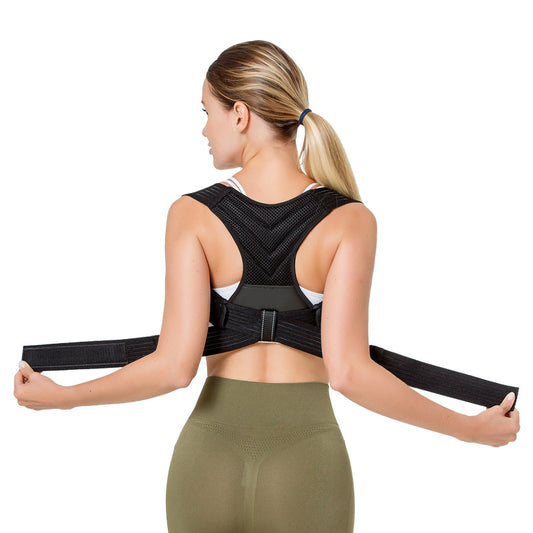
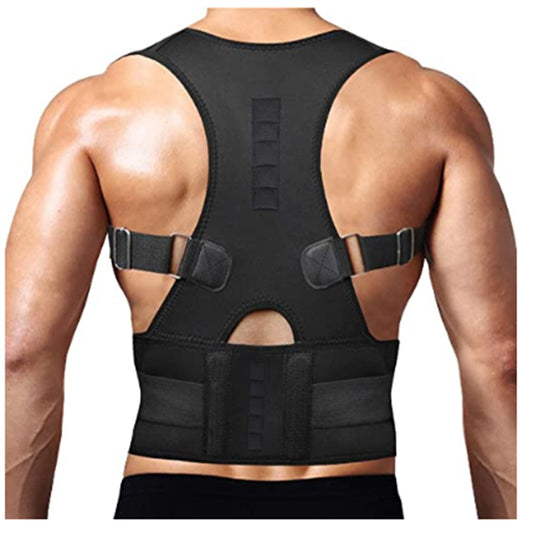
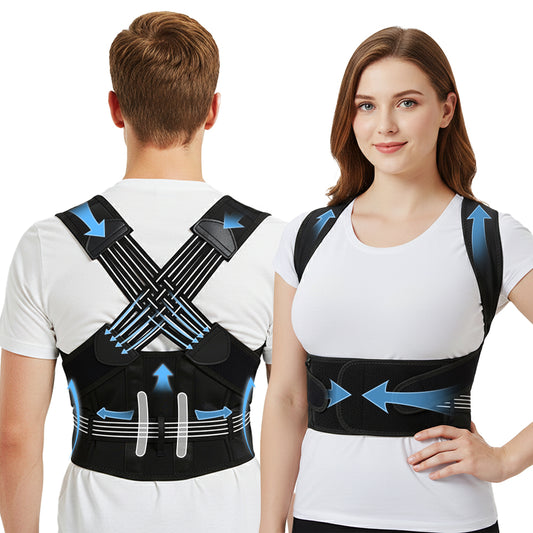
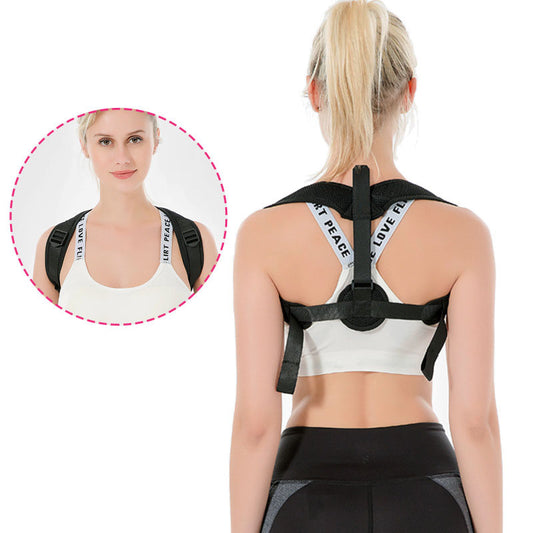
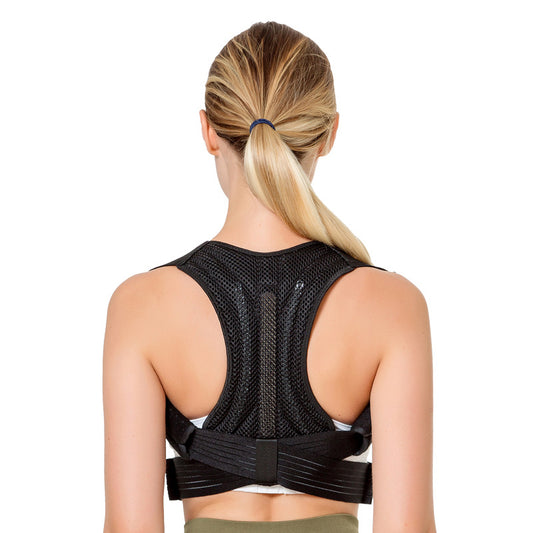
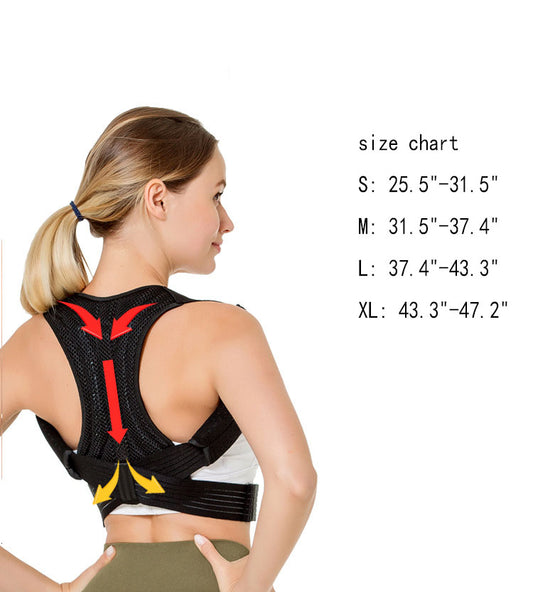
Look at where the product ends: upper back, waist or a connected shoulder-to-waist panel. Then compare the fastening method within that coverage choice.
- Shoulder-to-waist coverage: Compare the connecting back panel and the separate shoulder and waist adjustments.
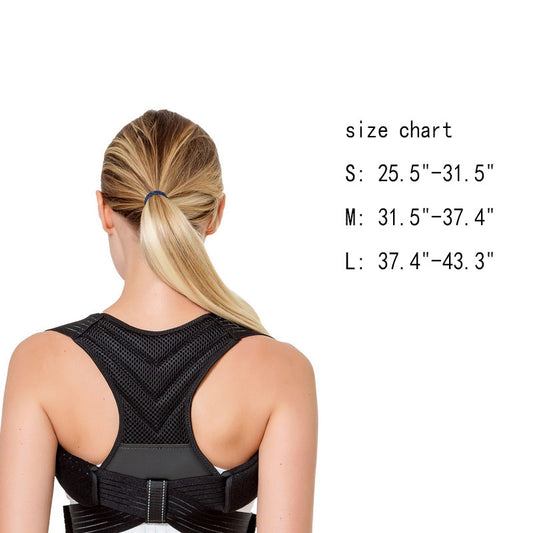
- Shoulder-focused fit: Compare shoulder-loop width, rear anchoring and the extent of any lower band.
- Panel and strap layout: Use the stated support area and actual panel shape to compare this design.
Compare Representative Styles
| Style | Coverage & Design | What to Compare | Size & Fit |
|---|---|---|---|
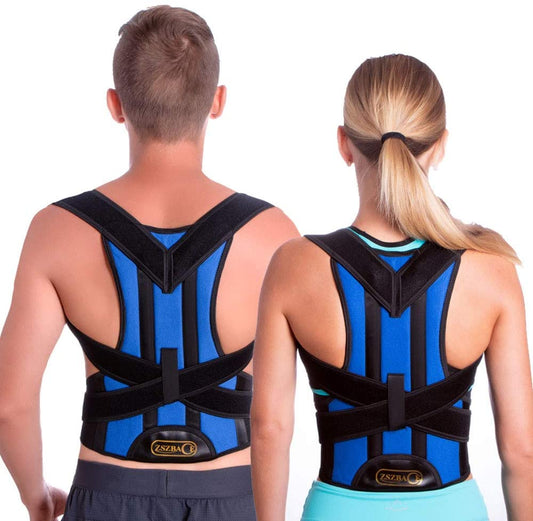
| Cross-Strap Full Back Posture Brace | Upper back, lower back, shoulders. Extended back panel; Shoulder straps; Waist panel; Crossing straps. | Compare the connecting back panel and the separate shoulder and waist adjustments. | Model chart: Waist circumference (cm); S: 70–85; M: 80–95; L: 90–105; XL: 100–115; XXL: 110–125. |
| Slim Cross-Back Posture Support Straps | Upper back, shoulders. Shoulder straps; Crossing straps. | Compare shoulder-loop width, rear anchoring and the extent of any lower band. | Model chart: Chest circumference (in); XS: 26–30; S: 30–34; M: 32–38; L: 36–42; XL: 40–46; XXL: 46+. |
| Mesh Upper Back Brace with Chest Band | Upper back. Upper-back panel; Shoulder straps; Mesh sections; Hook-and-loop fastening. | Use the stated support area and actual panel shape to compare this design. | Check the selected option and this model's measuring guide before ordering. |
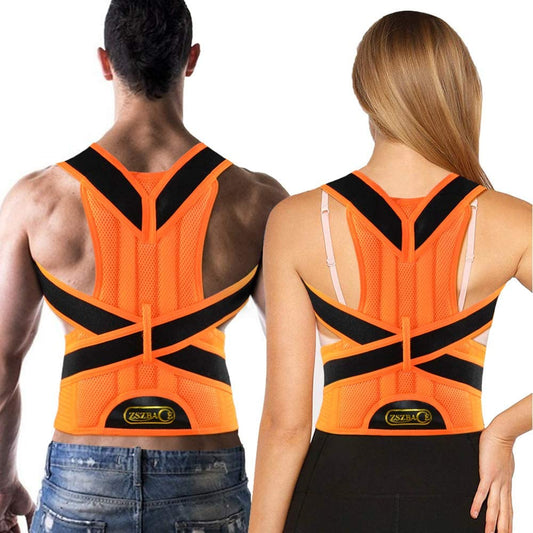
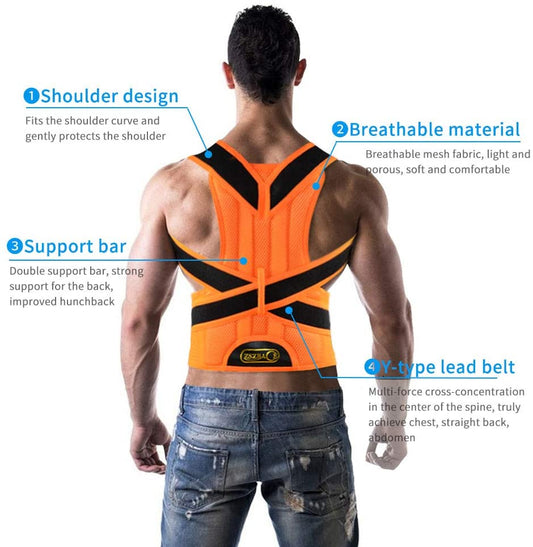
| Orange Panel Full Back Posture Brace | Upper back, lower back, shoulders. Extended back panel; Shoulder straps; Waist panel; Crossing straps. | Compare the connecting back panel and the separate shoulder and waist adjustments. | Model chart: Navel circumference (in); S: 27.5–33.4; M: 31.4–37.4; L: 35.4–41.3; XL: 39.3–45.2; XXL: 43.3–49.2. |
Open each product page to confirm the current options, included quantity and complete fitting guide. Measurements shown above apply only to the named model.
Size & Buying Questions
How do I measure for a back support?
Use the measuring position shown for the selected model, not your jeans size. A waist belt may use a different circumference from a shoulder harness. For a full-back design, also check the position of the shoulder loops and the length of the connecting panel.
Can I use the same chart for the other styles?
Use each model's own chart. For example, Cross-Strap Full Back Posture Brace uses this instruction: Measure around your waist at navel level, with the tape level and comfortably against the body. That measuring position should not be transferred to a different style unless its guide specifies the same method.
What should I check before adding to cart?
Confirm size, side where applicable, color and included quantity for the selected option. Gallery images can show more than one variation; compare the option details rather than assuming every pictured component is included.
Where can I check delivery and returns?
Review the shipping policy and the return terms linked on the product page before ordering. Delivery options depend on the item and destination. Contact us if you need help confirming a size or order detail.