
5 Benefits of Wearing a Belly Band During Pregnancy
If your growing bump is making everyday movement feel harder, a belly band may help add gentle support around your abdomen and lower back. Many pregnant people look for this kind of support in the second and third trimesters, especially when they want to stay comfortable at work, during errands, or while walking and staying active.
Below are five common ways a belly band can support pregnancy comfort, plus a few tips on how to choose one and when to talk with your healthcare provider.
1. It may help reduce pressure on your lower back and pelvis
As pregnancy progresses, the extra weight in front can shift your posture and add strain to your lower back and pelvis. A belly band can provide light external support that may make standing, walking, and changing positions feel more manageable.
Some readers also use support garments when they are dealing with back discomfort during pregnancy, especially when the day involves a lot of time on their feet.
2. It can offer gentle compression for movement and daily activities
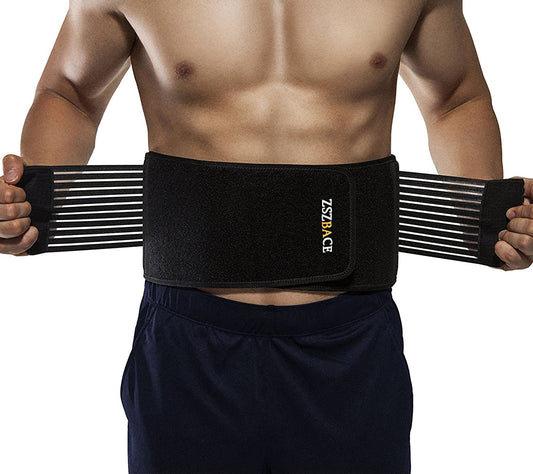
A belly band is not meant to squeeze tightly, but a well-fitting support band can create a secure feeling around the bump. That gentle compression may help some people feel more stable during light activity, housework, or short walks.
If you are comparing support options for comfort and stability, you can also browse our maternity support bands collection to see the available styles in one place.
3. It may encourage better posture
When your center of gravity changes, it is easy to lean back or arch the lower spine to balance the bump. Over time, that can make your back feel more tired. A belly band may serve as a reminder to stand a little taller and keep your torso more supported.
Good posture will not solve every pregnancy ache, but many people find that a small amount of support makes it easier to move with less strain.
4. It can make everyday tasks feel more manageable
When discomfort builds up, even simple tasks like folding laundry, shopping, or cooking can feel exhausting. A support band may help some pregnant people stay on their feet longer and move with more confidence throughout the day.
If you are trying to choose a style for everyday wear, consider how much coverage you want, whether you prefer a softer band or firmer support, and when you plan to wear it most often.

Maternity Support Bands
A simple next step if you want to compare support options for pregnancy comfort.
Shop maternity support bands if you want to see what may suit your routine.
5. It may be useful after birth too
Many people continue to want gentle core and lower-back support after delivery, especially while they are getting used to carrying, feeding, and lifting a newborn. A belly band may feel helpful during that transition, but postpartum support needs can vary widely, so fit and comfort matter.
For readers who want to understand support options beyond pregnancy, our postpartum recovery tips article is a helpful next read.
How to choose a belly band
Look for a band that feels supportive without restricting movement, breathing, or circulation. You will also want to consider:
- Fit: it should sit comfortably under or around the bump without digging in.
- Support level: some readers prefer light support, while others want a firmer feel.
- Use case: daily wear, short walks, workdays, or postpartum recovery may call for different styles.
- Adjustability: a flexible fit can be useful as your body changes.
If you are still comparing options, the best choice is usually the one that feels supportive, stays in place, and works with your daily routine.
When to be cautious
A belly band should be comfortable. If it feels too tight, causes pain, leaves marks, or makes it harder to breathe, stop using it and speak with your healthcare provider. It is also a good idea to check in with a medical professional if you have pregnancy-related pain that feels sudden, severe, or unusual.
FAQ
When should I start wearing a belly band during pregnancy?
Many people start when their bump and posture changes begin to cause discomfort, often in the second or third trimester. The right time depends on your comfort and your healthcare provider’s guidance.
Can I wear a belly band all day?
That depends on the fit and how it feels on your body. A supportive band should never feel restrictive. If you notice discomfort, take it off and reassess the fit.
Is a belly band the same as a pregnancy belt?
These terms are often used similarly. In general, both refer to support garments designed to help make pregnancy movement and daily activity feel more comfortable.
Can a belly band help after birth?
Some people use one postpartum for gentle support while their body recovers. Postpartum needs vary, so comfort and fit are especially important.
If you are ready to compare options, start with our maternity support bands collection. It is an easy way to explore support styles that may fit your pregnancy or postpartum routine.