
9 Practical Tips to Improve Posture Every Day
Good posture is not about standing rigidly straight all day. It is about helping your spine, shoulders, neck, and hips stay in a more comfortable, balanced position during everyday activities. If you sit for long hours, use your phone often, or wake up stiff, small changes can make a real difference over time.
Below are 9 practical tips that can help you improve posture at work, at home, while sleeping, and on the go.
1. Start by noticing your habits
Posture problems usually build slowly. Rounded shoulders, forward head position, and slouching often become automatic when you sit for long periods. The first step is simply noticing when you tend to slump: at your desk, in the car, on the couch, or while looking at your phone.
2. Sit with support, not collapse
When you sit for work or reading, keep your feet flat on the floor, your knees bent comfortably, and your back supported. A small cushion or rolled towel behind the lower back can help you maintain a more natural curve. If your chair is too low or too deep, it can be harder to sit upright for long periods.
If you spend a lot of time at a desk, a posture correctors collection can be a helpful place to explore support options that fit different routines.
3. Keep screens at a better height
Looking down at a phone or laptop for hours can pull your neck forward and strain your shoulders. Try raising your screen so you are looking more level instead of bending your head down. For your phone, bring it closer to eye level when possible and take breaks from repetitive scrolling.
4. Stand tall without over-arching your back
Good standing posture means your ears, shoulders, hips, knees, and ankles are generally aligned, not forced. Think of gently lifting through the top of your head while keeping your shoulders relaxed. Avoid pushing your hips too far forward or locking your knees.
5. Move often throughout the day
No posture is perfect if you stay in one position too long. Standing up, stretching, and walking briefly every hour can reduce stiffness and make it easier to reset your alignment. Short movement breaks are especially useful if your workday involves sitting, driving, or repeated lifting.
6. Strengthen the muscles that support posture
Core, back, and glute strength can help your body hold better alignment with less effort. Gentle exercises such as rows, bridges, planks, yoga, or tai chi may be helpful depending on your fitness level. If you are dealing with pain, start slowly and choose movements that feel comfortable.
7. Pay attention to how you sleep
Your sleep setup can affect how you feel in the morning. A mattress that is too soft or too firm may make it harder to stay comfortable, and pillow height matters too. Side sleepers often do better with a pillow that keeps the neck aligned, while back sleepers usually need support that avoids pushing the head too far forward.
8. Choose shoes that support everyday alignment
High heels and unsupportive shoes can change how your body distributes weight from the ground up. For daily wear, more stable footwear may be easier on your back, hips, knees, and feet. If you wear dress shoes often, look for options that provide better balance and less strain over time.
9. Consider supportive tools when you need them
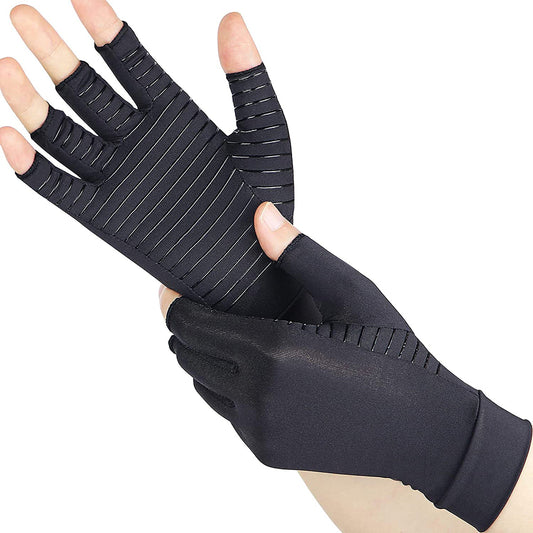
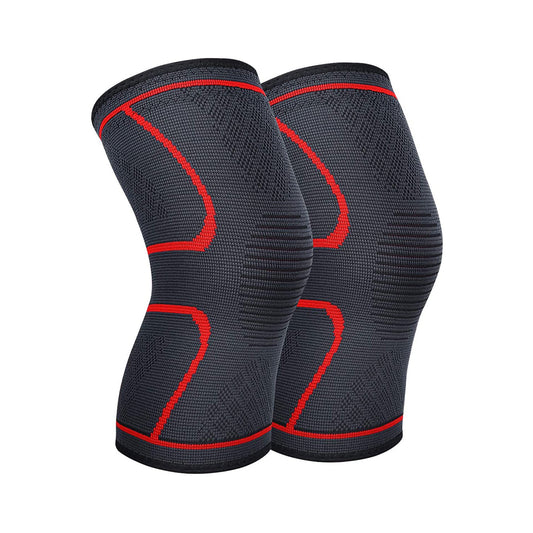
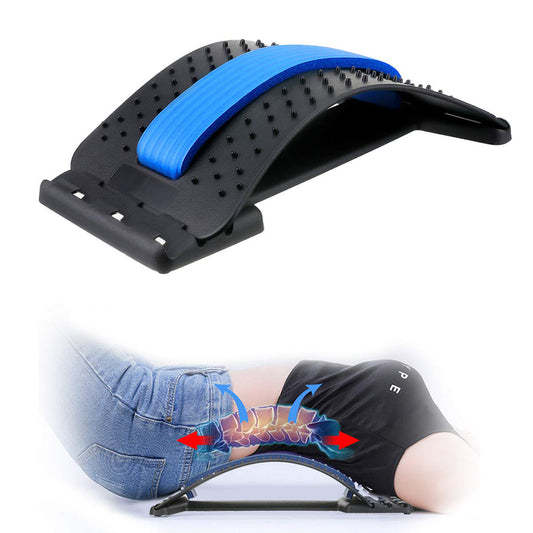
Some people find that a posture support tool helps them stay aware of their position while they build better habits. Supportive products are not a cure-all, but they can be a useful reminder during work, commuting, or recovery from long periods of slouching. If you want to explore options, the posture correctors collection is a good place to start.

Posture Support Options
Helpful support products for people looking to build better posture habits during daily routines.
Why it may help: A supportive option can make it easier to remember healthy alignment while you sit, stand, or work.
When to get professional advice
If poor posture is causing ongoing pain, numbness, weakness, or symptoms that keep getting worse, it is important to speak with a healthcare professional. Posture changes are often helpful, but persistent pain may have multiple causes that need proper evaluation.
Common posture mistakes to avoid
Some of the most common mistakes are sitting for too long without breaks, letting the head drift forward toward screens, using pillows or chairs that do not support the spine well, and trying to force an overly straight position. Better posture should feel supported and sustainable, not tense or painful.
Quick posture checklist
- Feet flat on the floor when sitting
- Shoulders relaxed instead of shrugged
- Phone and screen raised when possible
- Regular movement breaks during the day
- Supportive sleep setup
- Comfortable footwear for daily wear
FAQ
How can I improve my posture fast?
The fastest improvements usually come from adjusting your workstation, raising your screen, and taking more movement breaks. These changes can help you feel less strained right away, even though long-term posture improvement takes consistency.
Can posture correctors help?
They can help some people become more aware of slouching and improve habits during certain activities. They work best as a support tool, not a replacement for movement, strengthening, and better ergonomics.
Does bad posture always cause pain?
Not always, but long-term slouching or poor positioning can contribute to discomfort in the neck, shoulders, back, and hips. If pain is persistent, it is best to get it checked by a professional.
What is the best sleeping position for posture?
The best sleeping position depends on your body and comfort, but the goal is to keep the neck and spine as neutral as possible. A supportive pillow and mattress can make a big difference.
If you are ready to improve your posture with better daily habits and supportive tools, explore the posture correctors collection for next-step options.