
Elbow Braces Explained: Types, Benefits, and How to Choose the Right One
If your elbow aches during lifting, gripping, typing, racquet sports, or repetitive work, an elbow brace may help you reduce strain and support the joint while you recover. The right brace can also make daily movement feel more manageable, especially when symptoms come and go with activity.
This guide explains what elbow braces do, the main types available, when they may be useful, and how to choose a style that fits your needs.
What an elbow brace is designed to do
An elbow brace is meant to support the muscles and tendons around the joint. Depending on the style, it may provide compression, limit motion, reduce strain during activity, or help keep the area warm.
People often look for elbow support when they are dealing with tennis elbow, golfer’s elbow, mild tendon irritation, stiffness, swelling, or general overuse from sports and work.
When people commonly wear elbow braces
Elbow braces are often used during activities that place repeated stress on the arm. That includes tennis, golf, weight training, manual labor, and work that involves repetitive gripping or lifting. They may also be helpful for people who spend long periods typing or using hand tools.
If your symptoms are worse when you swing, lift, carry, twist, or grip, support during those movements may be useful. If pain is persistent, severe, or followed by numbness, weakness, or swelling that does not improve, it is best to speak with a medical professional.
Common elbow brace styles
Different brace styles serve different needs, so choosing the right one depends on where the pain is and how much support you want.
- Elbow straps: Narrow straps are often worn around the forearm to provide targeted compression during movement.
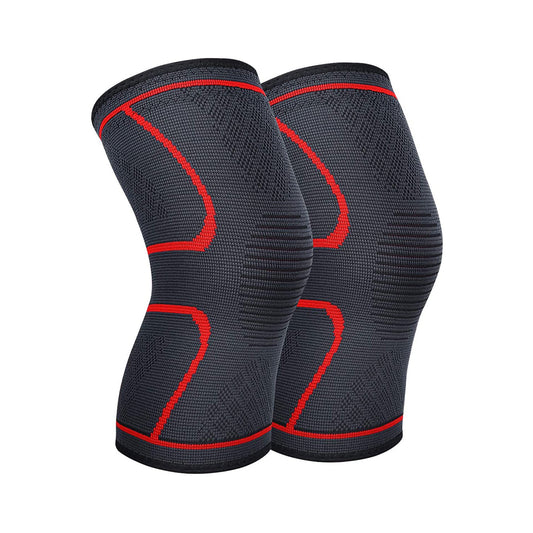
- Elbow sleeves: Sleeves provide a fuller fit around the elbow and may feel more supportive for everyday wear or sports.
- Adjustable braces: These let you change the compression level depending on comfort and activity.
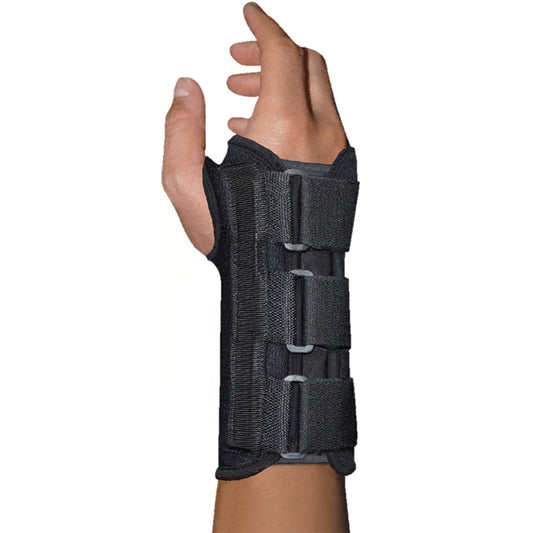
- Wrist-and-arm supports: In some cases, a support that extends beyond the elbow may help if symptoms travel into the forearm or wrist.
For broader support options, you can also browse the elbow braces collection to compare styles in one place.
How to choose the right level of support
The best elbow brace depends on your activity and how much compression you prefer. A lighter sleeve may feel better for all-day wear, while a more adjustable brace may be useful when your symptoms flare up during work or sport.
Here are a few simple buying tips:
- Choose a snug fit, but avoid anything that cuts off circulation or feels painfully tight.
- Look for breathable materials if you plan to wear the brace for long periods.
- Pick a design that stays in place while you move.
- Think about whether you need targeted compression or broader coverage.
If you are comparing options, the elbow braces collection is a good place to review different support styles side by side.
How elbow braces fit into a care routine
An elbow brace is usually best used as part of a broader plan. Many people pair support with rest from aggravating movements, gentle stretching, and activity changes that reduce repeated strain.
Ice or heat may also feel helpful depending on the stage of irritation, but these approaches do not replace proper medical care. If your pain is not improving, keeps returning, or affects your ability to use your arm, get personalized advice from a healthcare professional.
Featured support options

Adjustable Elbow Brace
A simple option for readers who want customizable compression and everyday support.
Why it may help: Adjustable support can be useful when symptoms change from day to day or during different activities.
Elbow Sleeve
A sleeve-style option for people who want comfortable compression during sports or work.
Why it may help: Sleeves can feel less bulky while still offering light support and warmth around the joint.
Helpful articles to read next
If your discomfort is related to specific overuse patterns, these guides may be useful:
FAQ
Do elbow braces help with tennis elbow?
An elbow brace may help reduce strain and provide support during activity, which is why many people use them for tennis elbow. Results vary, and a brace works best when combined with rest and activity changes.
Should I wear an elbow brace all day?
That depends on the style, your comfort, and your activity level. Some people wear an elbow sleeve during the day, while others only use a brace during exercise, work, or other tasks that trigger symptoms.
What is the difference between an elbow strap and an elbow sleeve?
An elbow strap usually gives more targeted compression, while a sleeve covers more of the joint and may feel better for general support or warmth.
When should I get medical advice?
If your pain is severe, lasts a long time, or comes with numbness, weakness, major swelling, or a loss of motion, it is a good idea to consult a healthcare professional.
Final thoughts
Elbow braces are not a cure, but they can be a practical way to support sore or overworked elbows while you keep moving. The key is choosing the right style for your symptoms, comfort, and daily routine. If you want to compare options, start with the elbow braces collection and look for the level of support that matches your needs.