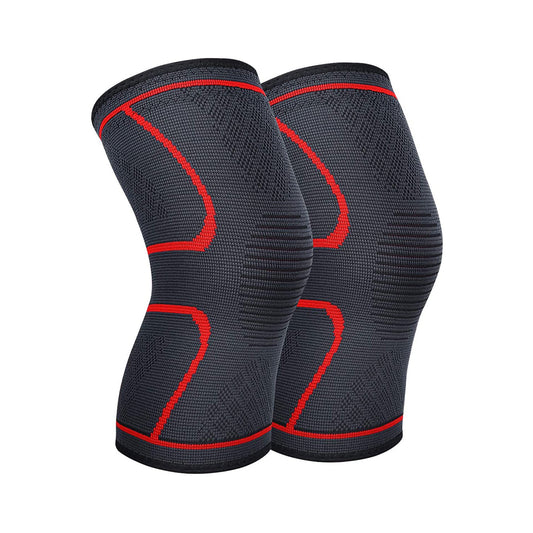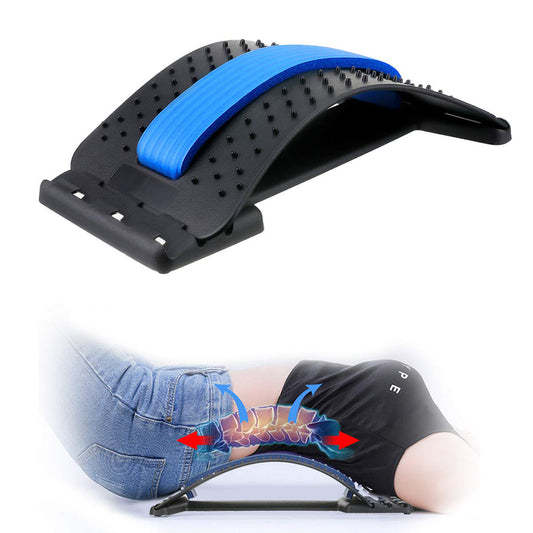

Are Pregnancy Support Belts Safe for Baby?
In most cases, a pregnancy support belt is generally considered safe for baby when it is worn correctly, fits comfortably, and is used as a support tool rather than something you wear tightly all day. The main purpose of a maternity belt is to help support your growing bump, reduce strain on the lower back and pelvis, and make walking, standing, or daily movement feel more manageable.
What matters most is how you use it. A belt should feel supportive, not restrictive. If it feels too tight, causes discomfort, makes breathing harder, or leaves you feeling worse instead of better, it is a sign to loosen it, remove it, or ask your healthcare provider for advice.
Why people worry about pregnancy belt safety
It is completely normal to wonder whether outside support around your bump could affect your baby. Many shoppers search questions like “are pregnancy belts safe,” “is belly support safe during pregnancy,” and “are belly bands safe during pregnancy” because they want reassurance before trying one.
The good news is that maternity support belts are designed for pregnancy support, not for squeezing the belly. A well-fitted belt is usually worn under the bump or around the lower abdomen and hips to help redistribute weight and reduce pressure on your back and pelvic area.
If you are still deciding whether one makes sense for your situation, our guide on the advantages and disadvantages of pregnancy belts can help you weigh the pros and cons.
When a pregnancy support belt may help
Some pregnant women feel fine without one. Others notice a real difference when the bump gets heavier and daily movement becomes more uncomfortable. A support belt may be worth discussing with your provider if you are dealing with:
- Lower back discomfort from the added forward pull of your bump
- Pelvic pressure or general heaviness during walking or standing
- Round ligament discomfort during movement
- Posture fatigue during work or household activity
- Discomfort that gets worse later in the day
People often start considering a belt in the second or third trimester, though timing varies. If you are wondering about that specifically, see when to start wearing a pregnancy support belt.
Signs a maternity belt is being used safely
A pregnancy belt is more likely to be used safely when:
- It supports the lower belly instead of pressing hard across the whole abdomen
- It feels snug but not tight
- You can move, sit, and breathe comfortably while wearing it
- You use it for activities when support is helpful, not nonstop all day
- You remove it if it causes irritation, pressure, or discomfort
One of the most common mistakes is over-tightening the wrap. If you are unsure about fit, read how tight a maternity belt should be. A belt should provide support and gentle stability, not compression that feels restrictive.
When to be careful
Even though maternity belts are commonly used, they are not something to wear mindlessly. You should pause and ask your doctor or midwife before use if you have unusual pain, pregnancy complications, skin sensitivity, circulation concerns, or if you are unsure whether belly support is appropriate for you.
You should also stop using the belt and check with a healthcare professional if you notice:
- Increased pain instead of relief
- Numbness, tingling, or rubbing
- Shortness of breath or pressure that feels uncomfortable
- Heartburn that seems worse when the belt is on
- Skin irritation where the band sits
A pregnancy support belt is meant to help during activity and posture changes. It is not usually something people should sleep in. For that question, see can I sleep with a pregnancy belt?
Common benefits of a pregnancy support belt
When the fit is right, many pregnant women use support belts for comfort in everyday life. Potential benefits can include:
- Helping take some strain off the lower back
- Making walking and standing feel easier
- Providing light support under the bump
- Supporting better comfort during errands, work, or light activity
- Helping some women feel steadier as their center of gravity changes
That does not mean every belt works the same way for every body. Comfort depends on the design, adjustability, placement, and whether the support matches your needs.

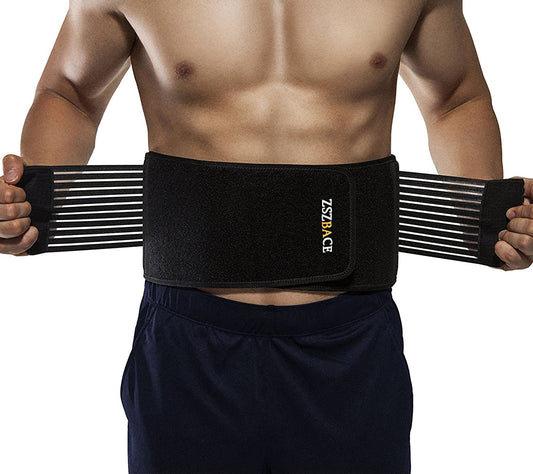
Adjustable maternity belt for belly and lower back support during pregnancy.
Why it may help: a wrap-around, adjustable design can make it easier to find a supportive fit without over-tightening.
How to choose a belt that feels supportive, not restrictive
If your main concern is safety for baby, the best choice is usually a belt that is adjustable and easy to fine-tune. Look for features that support comfort and fit, such as:
- Adjustable closure so you can change the fit as your bump grows
- A shape that lifts from below rather than compressing straight across
- Breathable materials for daily wear comfort
- Enough support for walking, standing, and light activity without feeling bulky
If you want to compare styles, browse the pregnancy tummy support belt collection for different support options and fits.

Adjustable pregnancy belly band for back, waist, and abdominal support.
Why it may help: breathable, adjustable support can be useful for women who want help during standing, walking, or longer days on their feet.
Simple safety tips for wearing a pregnancy belt
- Start with a light fit. Put it on snugly, then check whether you can still move and breathe comfortably.
- Wear it when you need support most. Many women use one during walks, errands, work, or extended standing rather than all day long.
- Position it correctly. Most support belts work best under the bump to help lift and support rather than squeeze.
- Take breaks. If you feel sore, overheated, or uncomfortable, remove it and reassess the fit.
- Ask your provider if you are unsure. Personalized advice matters more than general internet guidance.
If you already have a belt and are not sure whether you are positioning it properly, our article on how to wear a pregnancy belt walks through the basics.
Bottom line: are pregnancy support belts safe for baby?
For most women, a pregnancy support belt is generally safe for baby when used properly. It should provide gentle support, not tight compression. The safest approach is to choose a comfortable, adjustable belt, wear it for support during activity, and stop if it causes discomfort or any unusual symptoms.
If you want a practical next step, explore our pregnancy tummy support belt collection to compare maternity support options designed for bump, back, and pelvic comfort.
FAQ
Are belly bands safe during pregnancy?
They are generally considered safe when they fit properly and are worn for support rather than tight compression. The band should feel comfortable and supportive, not restrictive.
Are maternity belts safe for everyday wear?
Many women wear them during parts of the day, especially while walking, standing, or working. It is usually better to use them as needed rather than wear them tightly for very long stretches without breaks.
Can a pregnancy belt hurt the baby if it is too tight?
A maternity belt should never feel tight enough to cause pain, pressure, or breathing discomfort. If it feels restrictive, loosen it or remove it and ask your healthcare provider for guidance.
Do pregnancy belts actually work?
They can help some women feel more supported by taking strain off the lower back, pelvis, and lower abdomen during movement. Results vary by fit, body changes, and the type of support you need.