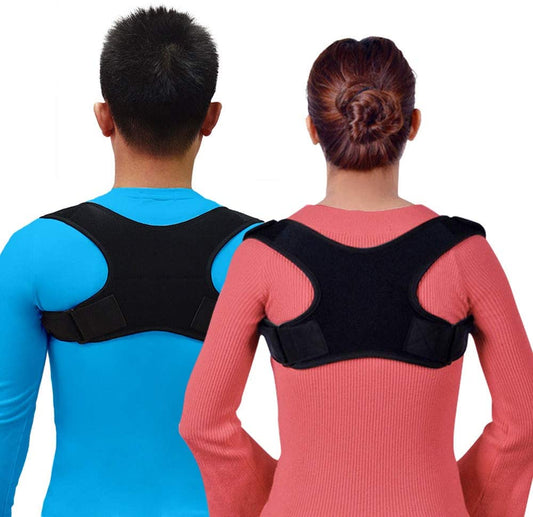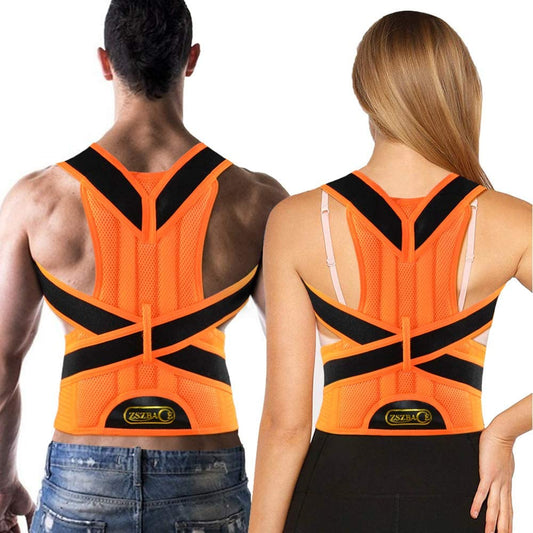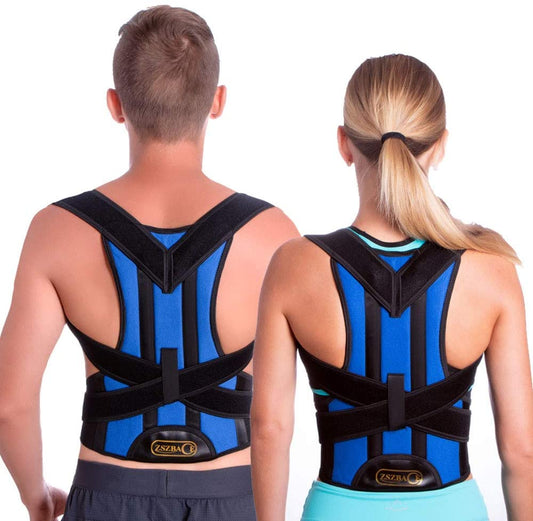

Back Braces and Posture Correctors for Men and Women: What They Help With
Share
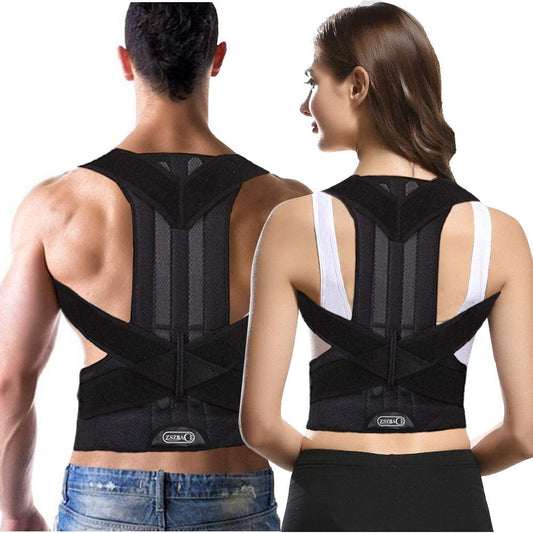
If you spend long hours at a desk, look down at your phone often, or notice your shoulders rounding forward by the end of the day, a back brace or posture corrector may help as a gentle reminder to maintain better alignment. For many men and women, the goal is not to “force” perfect posture, but to make it easier to stay aware of slouching habits and feel more supported during everyday activities.
A posture support is often used when people want help with upper-back awareness, shoulder positioning, and general comfort during daily routines. It may be especially appealing if you feel tightness across the shoulders, tension around the neck, or fatigue from sitting for extended periods.
What a back brace or posture corrector may help with
People usually look for a posture corrector because they want support in one or more of these situations:
- Rounded shoulders from desk work: Long periods of sitting can encourage a forward-leaning posture.
- Upper-back tension: When posture slips, the upper and middle back can feel tired or strained.
- Neck and shoulder discomfort: Poor positioning throughout the day can contribute to tension in nearby areas.
- Posture awareness: Many users want a wearable reminder to sit or stand more upright.
Used consistently and comfortably, a posture brace can support better daily habits. It is best viewed as a cue for alignment rather than a substitute for movement, stretching, or strength-building routines.
Who may benefit from wearing one
A back brace or posture corrector can be useful for both men and women who:
- Sit for work, study, or gaming for long stretches
- Find themselves slouching without noticing
- Want light support for the upper or middle back during the day
- Prefer a simple posture reminder they can add to their routine
It may also be suitable for adults and older teens who are trying to be more mindful of posture during everyday tasks. Comfort and fit matter more than choosing the most rigid option.
Common mistakes to avoid
One reason people stop using posture supports is that they expect too much, too quickly. A few simple adjustments can make the experience more practical:
- Wearing it too tightly: A posture brace should feel supportive, not restrictive.
- Using it all day from the start: Shorter wear periods can be easier to adapt to.
- Ignoring fit: If it rubs, shifts, or pinches, you are less likely to keep using it.
- Relying on it alone: Better posture usually comes from a mix of awareness, movement, and consistent habits.
How to choose a posture corrector
When comparing options, focus on practical details:
- Comfort: You are more likely to use a brace that feels wearable during normal activities.
- Support level: Choose a design that matches your needs without feeling overly bulky.
- Daily use: Consider whether you want support for work, walking, or general home use.
- Fit for your body: Men and women may prefer different shapes or adjustment styles, so an adaptable fit is helpful.
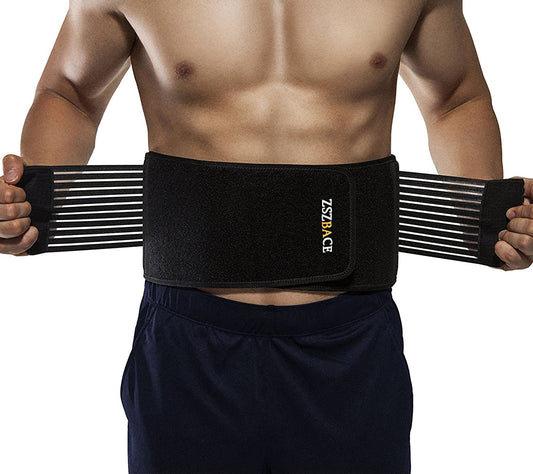
If your main concern is posture awareness and shoulder alignment, a lighter posture corrector may be enough. If you are looking for broader support around the back or waist area, a more structured support style may be worth considering.
How to wear a posture brace comfortably
Start gradually and pay attention to how your body responds. A comfortable posture brace should encourage better positioning without making normal movement feel unnatural. Many people find it easiest to wear one during tasks where slouching usually happens, such as computer work, reading, or light household activity.
It also helps to pair posture support with simple habits: stand up regularly, adjust your screen height, and avoid spending too long in one position. These small changes often matter just as much as the brace itself.
Important caution
A posture corrector is a general support tool, not a cure for every type of back discomfort. If you have severe pain, numbness, an injury, or symptoms that persist or worsen, it is best to seek advice from a qualified medical professional.
Final thoughts
For men and women dealing with slouching, upper-back fatigue, or daily posture awareness issues, a back brace or posture corrector can be a practical addition to a wider routine. The best choice is usually one that feels comfortable, fits well, and supports your everyday habits rather than trying to do everything at once.
When used thoughtfully, posture support can make it easier to notice your alignment, reduce the tendency to hunch, and build better daily posture habits over time.
Frequently asked questions
Can men and women both wear a posture corrector?
Yes. Many posture supports are designed for general adult use. The most important factors are fit, comfort, and the type of support you want during daily activities.
Will a back brace fix posture permanently?
A brace is better thought of as a reminder and support tool. Long-term posture improvement usually depends on consistent habits, movement, and awareness.
Can a posture corrector help with shoulder and neck tension?
It may help some people by encouraging better positioning and reducing slouching during the day. However, results vary, and it should not be treated as a guaranteed solution.
How tight should a posture brace be?
It should feel snug and supportive without pinching, restricting breathing, or causing discomfort. If it feels too tight, adjust it for a more comfortable fit.