
How to Choose a Posture Corrector for Everyday Back, Neck, and Shoulder Support
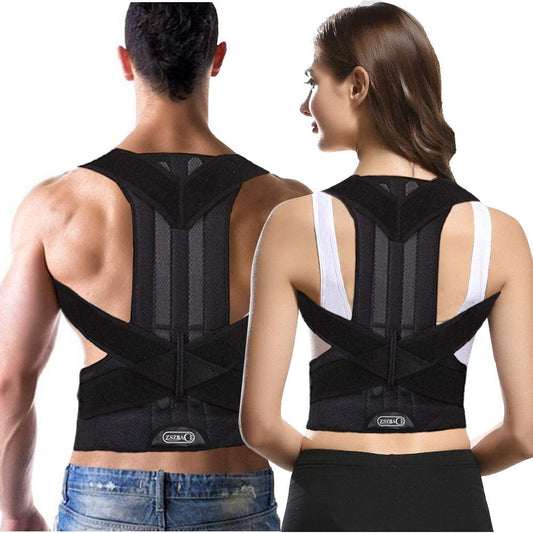
If you spend long hours sitting, lifting, studying, driving, or working at a desk, a posture corrector can be a practical reminder to sit and stand with better alignment. It is not a quick fix, but it can help you build awareness, reduce slouching, and make it easier to keep your shoulders in a more neutral position throughout the day.
People often look for posture support when they notice rounded shoulders, upper-back tension, neck strain, or discomfort that gets worse after sitting for too long. A discreet brace can be helpful because it is simple to wear under clothing and easy to use during everyday routines.
What a posture corrector may help with
A posture corrector is generally used as a support tool, not a replacement for movement, strengthening, or professional care. It may be useful when you want help with:
- Posture awareness during work or study
- Shoulder positioning when you tend to slouch forward
- Daily comfort during light activity or desk time
- A reminder to reset your posture before tension builds
For many people, the biggest benefit is consistency. Wearing support for short periods while you build better habits can be easier than trying to remember perfect posture all day.
How to choose the right brace
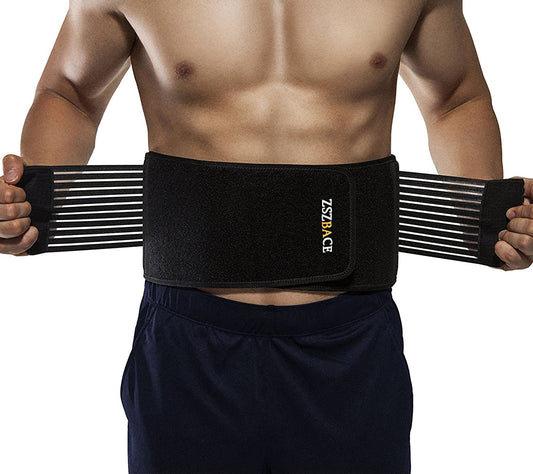
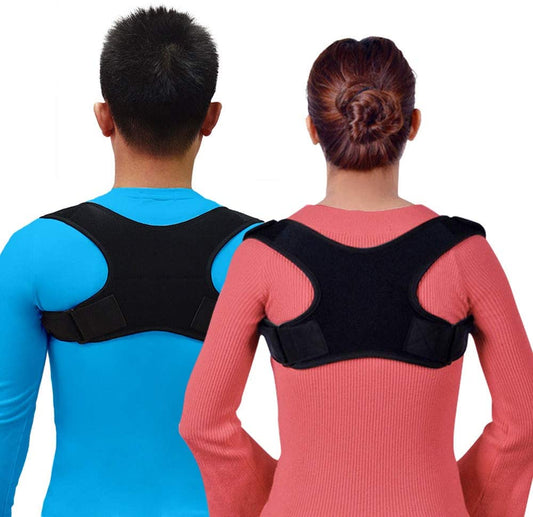
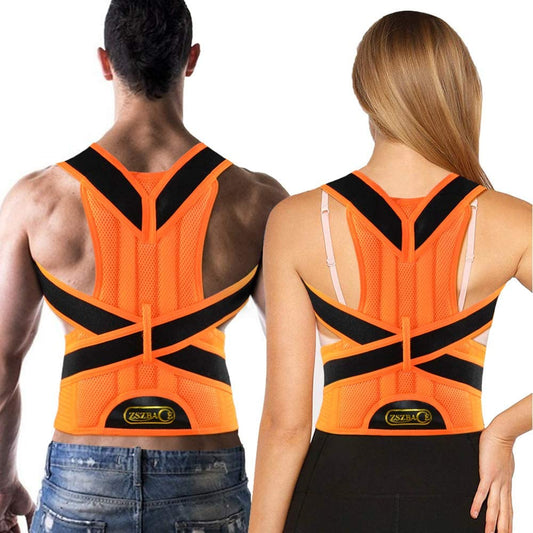
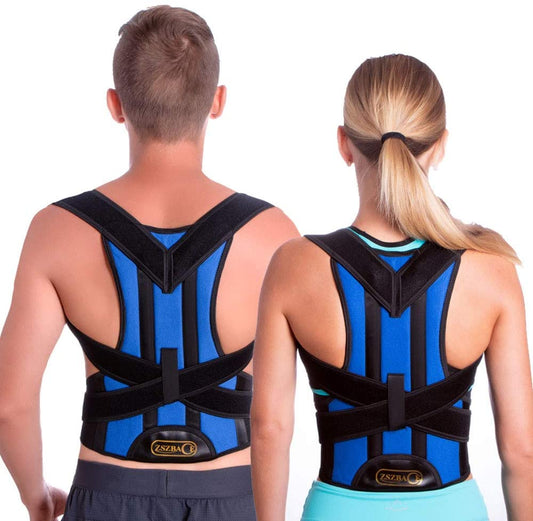
When comparing posture support options, look for a design that feels comfortable enough to wear consistently. A good starting point is a brace that fits securely, adjusts easily, and feels discreet under clothes. You should be able to put it on without help and wear it for short, manageable sessions.
If you are shopping for a simple everyday option, you can also browse our back braces collection to compare support styles in one place.
Product options to consider

Back Braces Collection
Explore supportive options designed for everyday back and shoulder comfort.
Why it may help: A collection view makes it easier to compare brace styles before choosing the one that fits your routine.
Shoulder Support Collection
Find support options that may be useful when shoulder posture is your main concern.
Why it may help: A shoulder-focused collection can be a helpful next step if you want support for slouching or upper-body strain.
Tips for getting better results from posture support
To make posture support more useful, keep expectations realistic and focus on small daily improvements:
- Start with short wear sessions instead of all-day use.
- Use the brace as a reminder, not a substitute for movement.
- Take breaks to stretch, stand, and reset position.
- Choose a fit that feels snug but not restrictive.
- Pair support with good desk setup and regular movement.
If you work at a desk, it may also help to read our guide on our latest wellness articles for more everyday comfort ideas and routines.
Common mistakes to avoid
A few simple mistakes can make posture support feel less effective:
- Wearing it too tightly
- Using it for long periods without breaks
- Expecting instant changes
- Ignoring workstation setup and movement habits
The best results usually come from using posture support as part of a broader routine that includes better sitting habits, stretching, and regular activity.
FAQ
How long should I wear a posture corrector?
Start with short sessions and build gradually based on comfort. Many people prefer using it for part of the day rather than continuously.
Can a posture brace be worn under clothes?
Many posture braces are designed to be discreet under clothing, which makes them easier to use at work, at home, or while studying.
Is a posture corrector enough to fix bad posture?
No single product can do all the work. A posture corrector can help with awareness and support, but long-term improvement usually depends on movement, strength, and daily habits.
What should I do if the brace feels uncomfortable?
Check the fit, loosen the straps if needed, and use it for shorter sessions. If discomfort continues, choose a different support style or seek professional advice.
If you are comparing options for everyday support, start with the back braces collection and choose the style that matches your comfort, routine, and support goals.