
How to Choose Back Support for Women
Back pain in women can show up for many reasons: long hours at a desk, lifting children or groceries, posture strain, pregnancy-related changes, or recovery after a physically demanding period. The best back support is not just the tightest brace. It should match the area that needs help, feel comfortable enough to wear as directed, and support better movement rather than replace it.
In general, women often do best with support that feels lighter, fits the torso comfortably, and works with everyday routines like sitting, walking, working, and household tasks. If your main issue is slouching, a posture-focused support may be more useful than a bulky lower back brace. If your pain is severe, follows a fall, comes with numbness, weakness, fever, or trouble controlling bladder or bowel function, seek medical care promptly.
Common reasons women look for back support
Back discomfort is common, but the cause is not always the same. A support that helps one person may not be the right choice for another.
- Posture strain: Common with desk work, phone use, driving, and repetitive forward-leaning tasks.
- Muscle fatigue: Often shows up after lifting, carrying, standing for long periods, or returning to activity.
- Pregnancy-related changes: As the body changes, the lower back and pelvis may feel extra strain.
- Postpartum or abdominal weakness: Some women want gentle support while rebuilding comfort and body awareness after delivery.
- Bone or spine concerns: Pain related to fractures, osteoporosis, or structural problems needs medical evaluation rather than a self-selected brace.
When a posture support may be the better choice
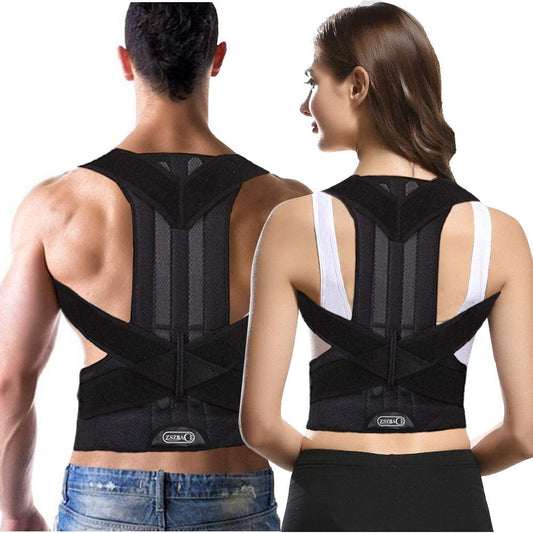
If your upper back, neck, and shoulders feel tight after sitting or standing, poor posture may be part of the problem. A posture support is designed to cue better alignment by gently drawing the shoulders back. That can make it easier to notice slouching and maintain a more upright position during daily activities.
This type of support may be worth considering if you:
- tend to round your shoulders at a desk
- feel tension between the shoulder blades
- notice neck and upper back fatigue later in the day
- want a lighter option than a full lower back brace
It is less likely to be the right standalone answer if your main issue is sharp low back pain, significant nerve symptoms, or pain after an injury.

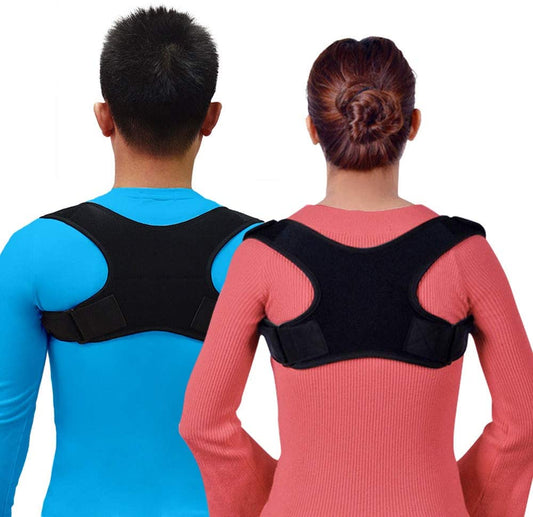
Posture Corrector for Men and Women
A simple posture-focused support for daily alignment reminders.
Why it fits here: this article discusses posture-related upper and mid-back strain, where a posture corrector may be more relevant than a heavy brace.
What to look for in a back support for women
Instead of shopping by name alone, choose based on how and when you will actually use it.
1. The area of support
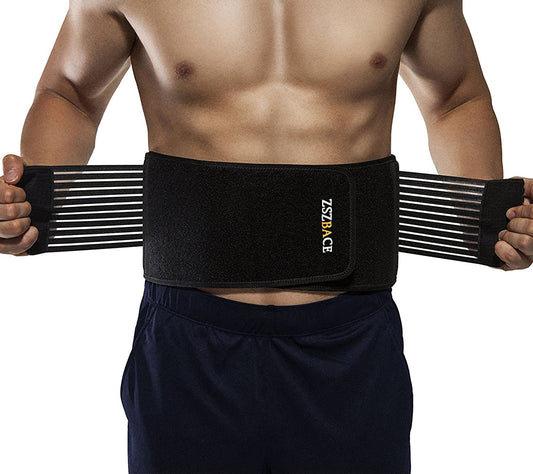
Upper back, mid-back, and lower back problems feel different. A posture support usually targets the upper back and shoulders. A lumbar brace is more focused on the lower back. If the support is aimed at the wrong area, it may feel disappointing even if the product itself is fine.
2. Comfortable fit
A good support should feel secure, not punishing. If it pinches, rides up, or is difficult to wear over clothing, many people stop using it quickly. Comfort matters because consistency matters.
3. Wearability during real life
Think about when you need help most: desk work, chores, commuting, walking, or light recovery periods. A support that works only in theory is less useful than one you can realistically wear.
4. Gentle support, not over-restriction
For many everyday posture and strain issues, gentle reminder-style support is often more practical than stiff immobilization. Over-relying on a brace for long periods without movement, strengthening, or posture changes is usually not the goal.
Mistakes to avoid when buying a brace
- Choosing based on appearance alone: The right support should match your symptoms and activity.
- Wearing it too long without a plan: Supports can be helpful, but they work best alongside posture awareness, movement, and medical guidance when needed.
- Ignoring red-flag symptoms: Severe pain, pain after trauma, numbness, weakness, or suspected fracture needs prompt assessment.
- Expecting one product to solve every kind of back pain: Posture issues, pregnancy discomfort, and spine injuries are not the same problem.
Special note on pregnancy and postpartum support
Some women search for “back support” when the real issue is abdominal or pelvic strain during pregnancy or after delivery. In those situations, a posture aid may help with upper-body alignment, but it may not address the main source of discomfort. The better option depends on whether the issue is posture, lower back load, abdominal support, or pelvic stability.
If you are pregnant, recently postpartum, or recovering from abdominal procedures, it is smart to ask your clinician what type of support is appropriate for your stage of recovery and daily activity level.
When to talk to a medical professional first
Back supports can be part of a comfort plan, but they are not a substitute for diagnosis. Get medical advice before self-treating if you have:
- pain after a fall or accident
- known osteoporosis or concern about a compression fracture
- numbness, tingling, or weakness
- pain that is getting worse instead of better
- unexplained fever or other concerning symptoms
A practical way to decide
If your discomfort is mostly related to slouching, desk work, rounded shoulders, or upper back fatigue, start by looking at a posture-focused support. If the pain is lower, more intense, or tied to pregnancy, injury, or a known medical condition, pause before buying and make sure you are choosing the right type of help for the problem.
The goal is not simply to feel “held in.” The goal is to support better posture, reduce strain where appropriate, and make daily movement more manageable.
Frequently asked questions
Are back braces for women different from standard back braces?
Some are designed with fit and wearability in mind, but the most important factor is still whether the support matches the area and type of discomfort. A well-fitting posture support can be more useful than a generic brace that targets the wrong region.
Can a posture corrector help with back pain?
It may help when poor posture contributes to muscle fatigue or upper back and shoulder tension. It is less likely to be enough for pain caused by injury, fracture, nerve issues, or more serious spinal conditions.
Should I wear back support all day?
That depends on the product and your situation. Many people use support for specific activities rather than continuously. If you are unsure, ask a healthcare professional for guidance, especially during pregnancy, postpartum recovery, or after an injury.
Can back support help after pregnancy or abdominal surgery?
Sometimes support is part of recovery, but the right choice depends on whether you need posture help, abdominal support, or something more condition-specific. It is best to follow your clinician’s guidance for recovery-related support.