Benefits of Maternity & Postpartum Compression: What Support Can Do During Pregnancy and Recovery
Share
If you’re dealing with pregnancy discomfort or early postpartum recovery, maternity and postpartum compression garments can be a helpful source of gentle support. They are designed to add stability around the abdomen, lower back, hips, and pelvis so movement feels a little easier during everyday life.
These garments are not a cure-all, and they are not a substitute for medical care. But for many people, they can make common tasks like walking, standing, lifting, and getting through the day feel more manageable.
What maternity compression is used for
A maternity support band or belly band is typically worn during pregnancy to provide light support around the lower belly and back. Many people use one when they start noticing extra pressure, posture changes, or discomfort in the pelvis, lower back, or hips.
Common reasons people try maternity compression include:
- Lower back support during daily movement
- Gentle lift for a growing belly
- More stability during walking or errands
- Added comfort during household tasks or prenatal exercise
If you want a broader overview of support options, you may also find our maternity support collection helpful.
How postpartum compression may help recovery
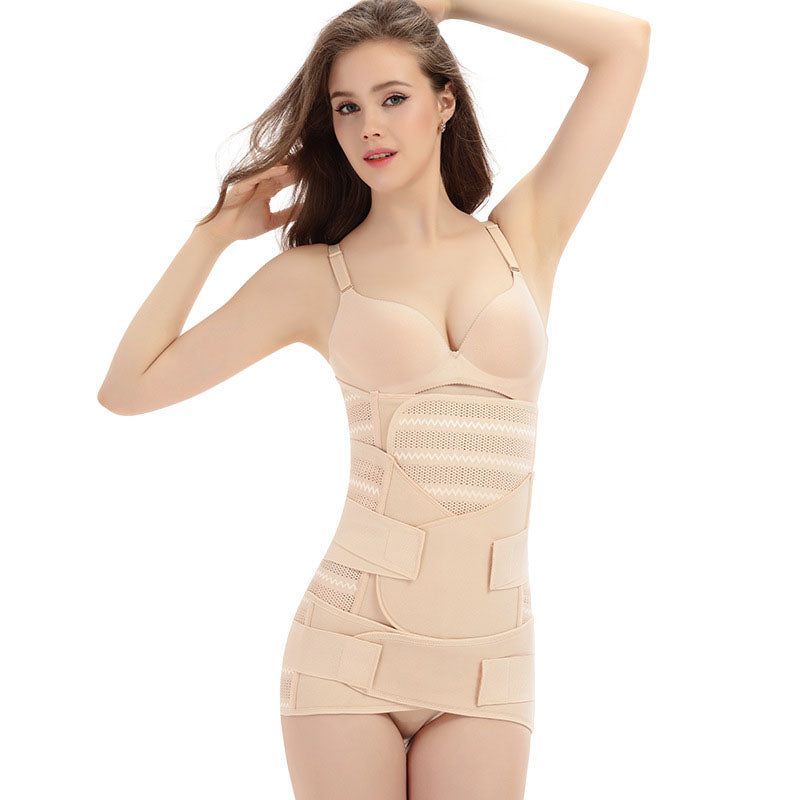
After birth, many people look for a garment that offers gentle compression and a little more structure around the midsection. Postpartum compression garments are often used to support the abdomen, hips, pelvis, and lower back while the body is adjusting after delivery.
People often choose postpartum support for:
- A sense of abdominal support after delivery
- Light compression around the waist and midsection
- Added comfort when standing, walking, or moving around more often
- Support under clothing during daily routines
Some postpartum garments are also chosen by people recovering from a c-section, but fit and comfort matter most. If you have concerns about your incision, swelling, pain, or when to start wearing support, it’s best to check with your care provider first.
What to look for in a support garment
The best compression garment is usually the one that feels supportive without being restrictive. A good fit should feel snug, breathable, and comfortable enough to wear for the activities where you need the most help.
When comparing options, look for:
- Support level: light support for daily comfort or more structured support for posture and stability
- Breathable fabric: especially important for long wear
- Adjustability: helpful as your body changes during pregnancy or recovery
- Placement: some styles focus more on the belly, while others support the waist, hips, or back
If you’re shopping by support type, start with our maternity support collection to compare available options in one place.
How to wear it without overdoing it
Compression should feel like support, not pressure. A garment that is too tight can be uncomfortable and may not be helpful for longer wear. Start by using it during the moments when you need extra support, such as:
- Walking or standing for longer periods
- Household chores
- Running errands
- Light activity or exercise, if approved for you
It’s also a good idea to remove it if you feel pinching, numbness, increased discomfort, or difficulty breathing. Comfort should always guide use.
Product cards
Maternity support collection
Support options for pregnancy comfort and everyday movement.
Why it may help: A useful next step if you want to compare maternity support styles before choosing one.
How to choose between maternity and postpartum support
If you are still pregnant, a maternity support band is usually the more relevant choice. If you have already delivered, a postpartum garment may be better suited to your needs.
In simple terms:
- Maternity support is for comfort and stability during pregnancy
- Postpartum support is for gentle compression and support after birth
Some people use both at different stages. The right option depends on where you are in the journey and what area needs the most support.
Frequently asked questions
When should I start wearing a maternity support band?
Many people start when belly weight, back discomfort, or pelvic pressure becomes noticeable. The best time depends on your comfort level and your provider’s guidance.
Can postpartum compression help with swelling?
Some people find gentle compression helpful for swelling and general comfort after birth. Results can vary, and swelling should always be discussed with a healthcare professional if it feels severe or unusual.
How tight should a support garment feel?
It should feel snug and supportive, but not painful or restrictive. If it digs in, rolls, or makes movement harder, the fit may be too tight.
Can I wear compression all day?
Some people wear support garments for several hours at a time, but comfort, fit, and your provider’s advice should guide how long you use one.
For more support options after birth, browse our postpartum support collection.