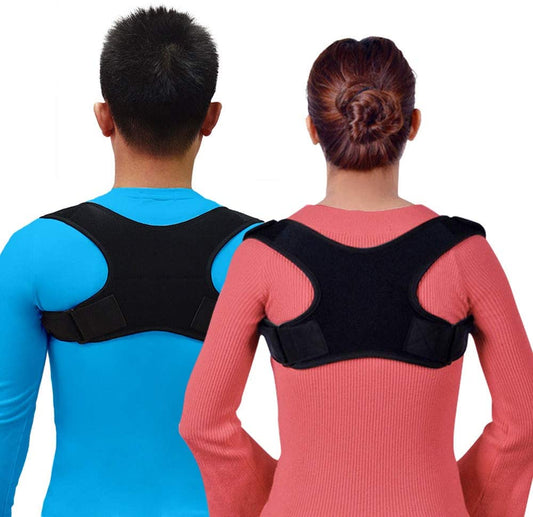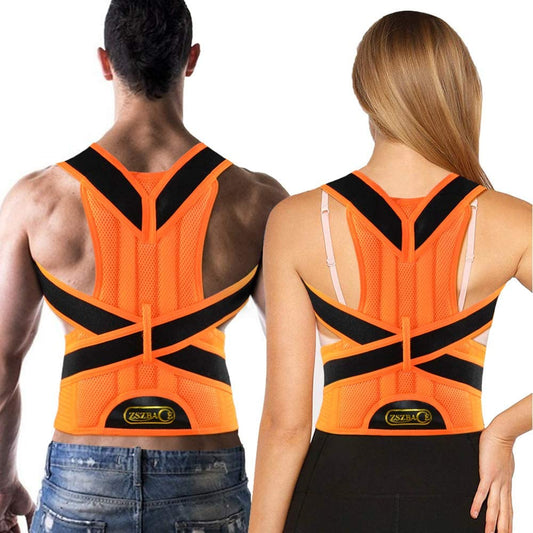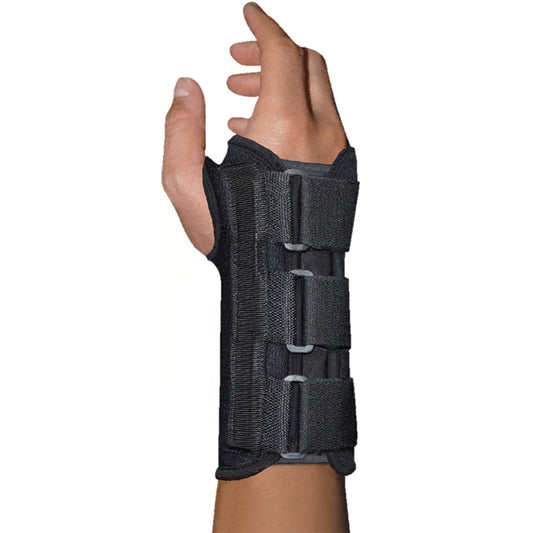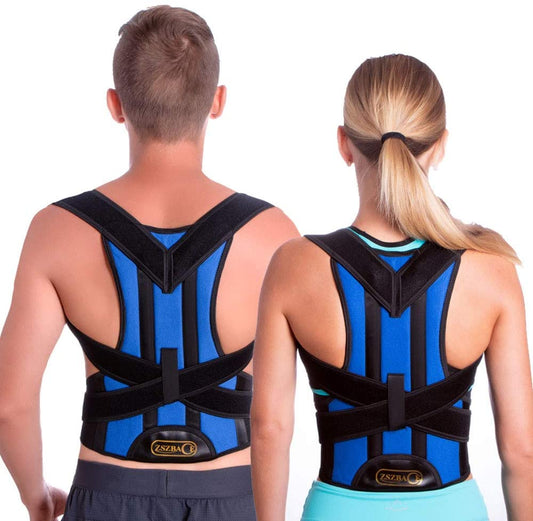

Benefits of Wearing a Back Brace at Home and at Work
If your lower back feels sore during long workdays, chores, or recovery, a back brace may provide helpful support. It is not a cure-all, but it can make certain activities more manageable by adding compression, encouraging better posture, and reducing strain during movement.
In this guide, we’ll cover the main benefits of wearing a back brace at home and at work, when it may be useful, and how to choose one that fits properly.
What a back brace can help with
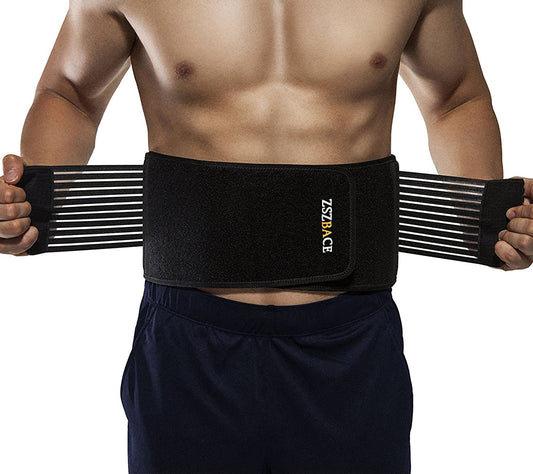
A back brace is designed to support the lower back and trunk. Depending on the style, it may help:
- limit awkward bending or twisting during daily tasks
- provide a sense of stability during movement
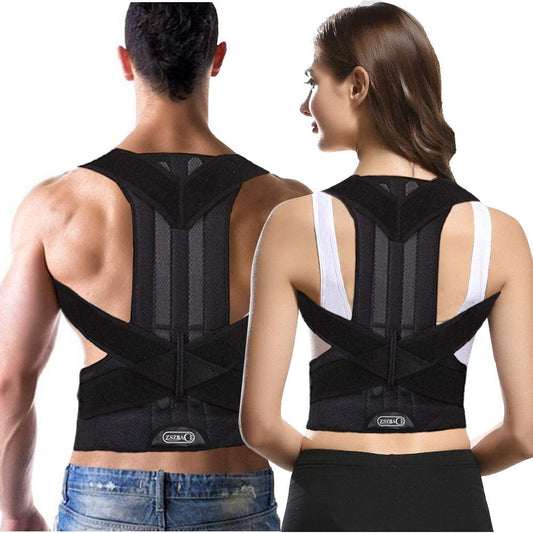
- support posture when sitting or standing for long periods
- make lifting or repetitive work feel more controlled
For many people, that extra support can be especially helpful during busy days at home, physically demanding work, or periods of recovery when the back feels vulnerable.
Benefits of wearing a back brace at home
Home activities can still place a lot of stress on your back. Cleaning, lifting groceries, gardening, carrying laundry, or standing at a counter for long periods can all add up.
A back brace may help at home by:
- supporting the lower back during repetitive chores
- reminding you to move more carefully
- reducing strain when you are on your feet for a long time
- making light activity feel more manageable when your back is tired
If your pain tends to flare up after everyday tasks, a brace may be a useful short-term support tool while you focus on rest, movement, and other care strategies.
Benefits of wearing a back brace at work
At work, back support can matter even more if your job involves lifting, frequent bending, prolonged sitting, or standing for long hours. A brace may help you stay more aware of your posture and reduce the strain that can build throughout the day.
This can be useful in office settings as well as physically active jobs. If you sit for long stretches, a brace may encourage a more upright position. If your work involves movement, it may help you feel more supported during repetitive tasks.
For workwear options, you can also browse our back braces collection to compare styles and support levels.
When a back brace may be worth considering
A brace is often most useful in situations like these:
- your back feels weak or tired after activity
- you are returning to normal routines after a flare-up
- you need extra support during lifting or repetitive movement
- you want a reminder to maintain better posture
If pain is severe, new, or getting worse, a brace should not replace medical evaluation. It is best used as part of a broader plan that may include rest, movement changes, stretching, or advice from a healthcare professional.
How to choose the right back brace
Not all back braces are the same. A good fit matters more than a tight fit.
- Choose the right size. A brace that is too small can be uncomfortable, and one that is too loose may not provide enough support.
- Look for adjustable compression. Many people prefer a brace they can fine-tune throughout the day.
- Consider your main use. Daily wear, work tasks, and recovery support may call for different designs.
- Make sure breathing and movement stay comfortable. Support should feel secure, not restrictive.
If you want a supportive option to compare, see our back brace product for a closer look at the style and fit details available on the product page.

Back Brace
Supportive everyday brace option for home, work, or recovery routines.
Why it may help: A practical place to start if you want to compare a back support option before choosing a style.
Tips for using a back brace safely
A back brace works best when it is used thoughtfully. Keep these tips in mind:
- Do not wear it so tightly that it becomes hard to breathe or move comfortably.
- Use it for the tasks or time periods when support is most needed, rather than assuming it should be worn all day.
- Follow care instructions so the material keeps its shape and support.
- Consider it one part of your routine, not the only solution.
If your symptoms continue, a healthcare professional can help you decide whether a brace is appropriate and how often to use it.
Care and maintenance
To help the brace last longer, follow the care label whenever possible. In general, gentle cleaning and air drying are safer for elastic support materials than machine washing or high heat.
Check the fit regularly as well. If the brace slips, feels overly restrictive, or no longer provides the same support, it may be time to reassess the size or style.
FAQ
Can I wear a back brace all day?
Some people wear a back brace for certain activities, but it is usually best to use it when support is most needed rather than wearing it continuously. If you are unsure, ask a healthcare professional for guidance.
Should a back brace be tight?
It should feel snug and supportive, but not so tight that it limits breathing or makes movement uncomfortable.
Can a back brace help with posture?
A back brace may encourage better posture awareness, especially when sitting or standing for long periods. It works best as a reminder and support tool, not a permanent fix.
When should I avoid using a back brace?
If pain is severe, causes numbness, or gets worse, do not rely on a brace alone. Get medical advice to understand the cause of the problem and the safest next step.
If you are comparing support options, our back braces collection is a helpful next step. You can review styles, choose the support level that fits your routine, and decide whether a brace is right for your home or work needs.