Back Braces and Back Pain: How Support, Fit, and Use Can Help
Back braces can be helpful for some people dealing with back pain, strain, or recovery after an injury or procedure. They are not a cure-all, but the right brace may provide support, remind you to move more carefully, and make it easier to stay active while your back heals.
If you are comparing support options, a brace should be chosen based on the area of the back affected, how much stability you need, and how long you plan to wear it. For a broader overview of support gear, you can also browse our back braces collection.
How a back brace may help
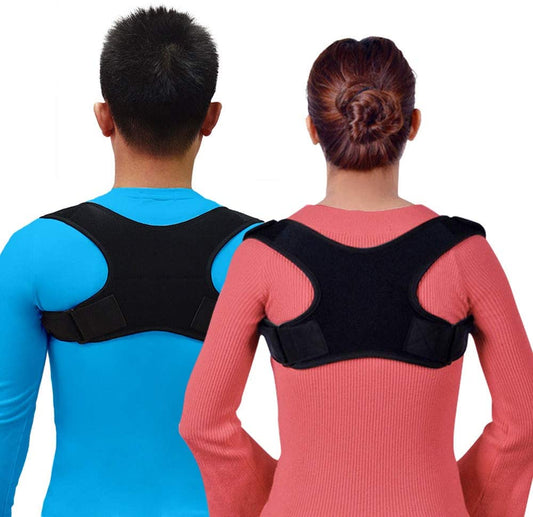
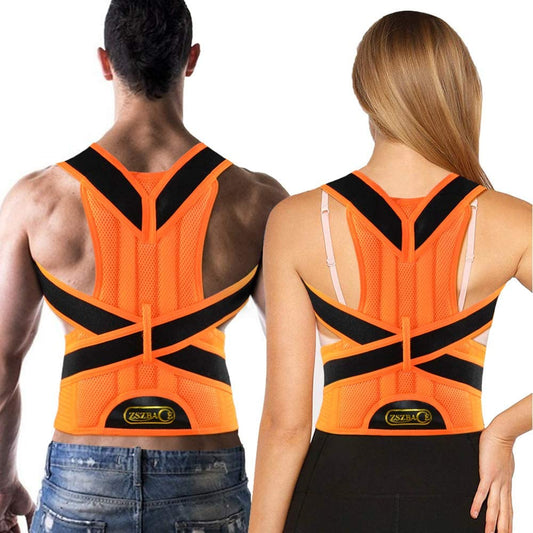
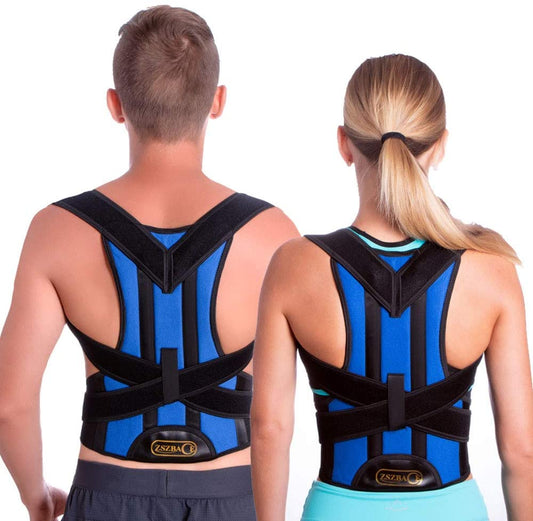
A back brace works by adding external support around the torso and lower back. Depending on the style, it may help reduce uncomfortable movement, encourage better posture, and make lifting or standing feel more manageable. Some people use one during short-term recovery, while others wear one for specific activities such as work tasks, travel, or light activity.
Back braces are often considered when pain is related to strain, poor movement habits, or times when the spine needs extra support. They may also be used after a doctor or therapist recommends temporary restriction of motion.
When people commonly use a brace
- After a strain or sprain: A brace may help limit movement while tissues recover.
- During demanding tasks: Some people wear one while lifting, bending, or standing for long periods.
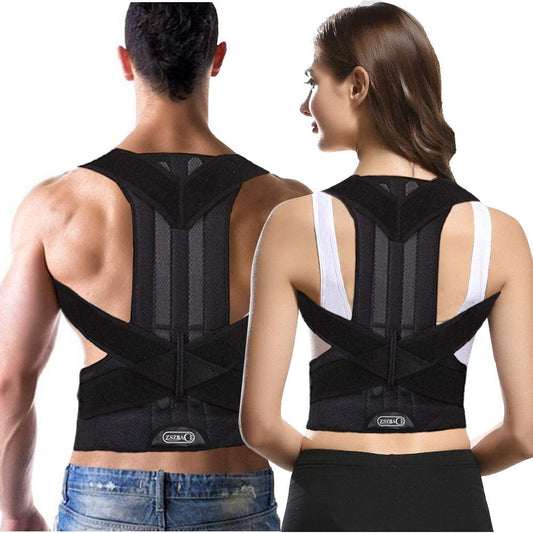
- For posture support: A brace may act as a reminder to stay upright and avoid slouching.
- During recovery: Some braces are used as part of a care plan after surgery or injury, when guided by a healthcare professional.
Not every backache needs a brace. If pain is severe, persistent, or accompanied by numbness, weakness, or radiating symptoms, it is important to speak with a healthcare professional before relying on support gear alone.
What to look for when choosing a back brace
Fit matters more than anything. A brace should feel secure without pinching, slipping, or making breathing difficult. Look for the level of support that matches your needs:
- Light support: Good for posture reminders or mild, short-term support.
- Moderate support: Useful for everyday tasks and activity-based wear.
- Firm support: Better suited to situations where more stabilization is needed and a professional has recommended it.
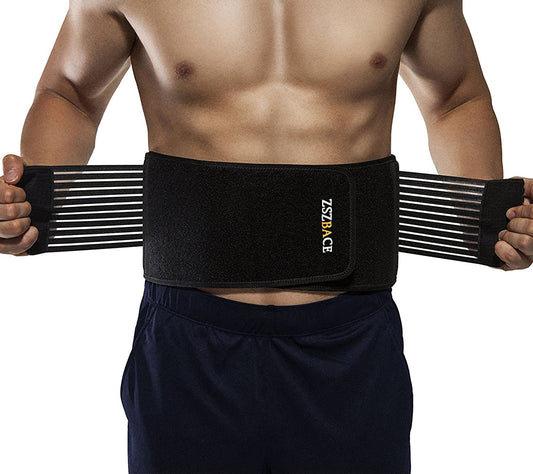
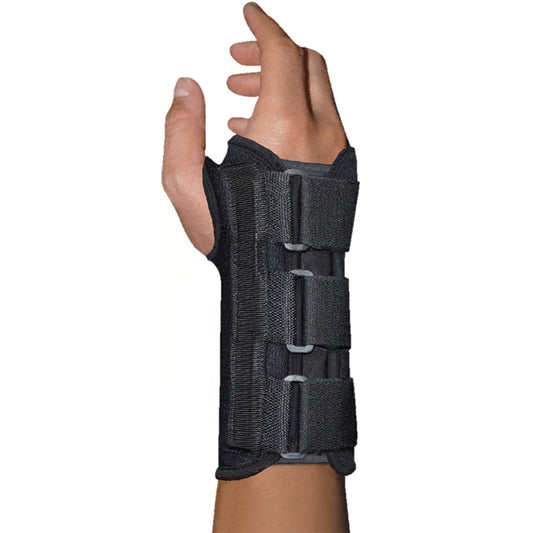
You should also consider whether you want a simple belt-style brace or a more structured design. The best option depends on comfort, the area you want to support, and how much movement you need to keep.

Back Brace
A practical support option for readers looking for everyday stability and a more secure feel during activity.
Why it may help: A straightforward choice if you want a brace-focused solution and a place to start comparing support levels.
How to wear a back brace safely
A brace is most useful when it is worn as part of a broader plan. That may include rest, movement changes, physical therapy, or guidance from a clinician. Try to avoid relying on it all day unless your doctor recommends that approach.
Good habits matter:
- Wear the brace snugly, not too tight.
- Use it for the activity or time period it was intended for.
- Keep moving within comfortable limits rather than becoming completely inactive.
- Pair it with safer lifting techniques and better posture habits.
For readers looking for a more general support option, our support belts collection is a useful place to compare alternatives.
Common mistakes to avoid
- Choosing the wrong size: A poor fit reduces comfort and support.
- Wearing it as a replacement for treatment: Braces can support recovery, but they do not replace medical care.
- Using it too long without guidance: Extended use may not be appropriate for every situation.
- Ignoring the cause of pain: Back pain can come from posture, strain, disc issues, arthritis, or other conditions that may need different care.
Related support options to compare
If your pain is centered lower on the body or you want a different style of support, it can help to compare other brace types. For example, some readers prefer more targeted support through the lumbar braces collection, while others may look for a broader support option that better matches daily wear.
Lumbar Braces Collection
Compare lower-back support options if your discomfort is focused around the lumbar area.
Why it may help: A helpful next step for readers who want to compare styles before choosing a brace.
When to talk to a healthcare professional
Back braces can be helpful, but they are not the right answer for every kind of pain. Seek medical advice if pain is severe, keeps returning, or comes with symptoms such as numbness, weakness, fever, or pain after a major injury. A professional can help you decide whether a brace, physical therapy, rest, or another treatment makes the most sense.
FAQ
Do back braces help with back pain?
They may help some people by adding support, limiting uncomfortable motion, and making activity feel more manageable. Results vary depending on the cause of pain and how the brace is used.
How long should I wear a back brace each day?
That depends on your condition and your provider’s guidance. Some people wear a brace only during certain activities, while others use one for a limited recovery period.
Can a back brace improve posture?
It may help as a reminder to stay upright, but posture improvement usually works best when combined with movement habits, core strength, and ergonomic changes.
Should I wear a back brace while lifting?
Some people do, especially for demanding tasks, but lifting technique and proper setup matter just as much. If lifting triggers pain often, it is worth checking with a healthcare professional.
If you are ready to compare options, start with our back braces collection and choose the style that best fits your comfort and support needs.