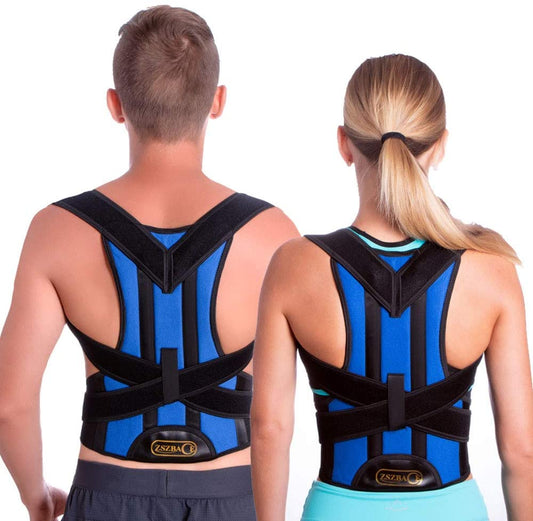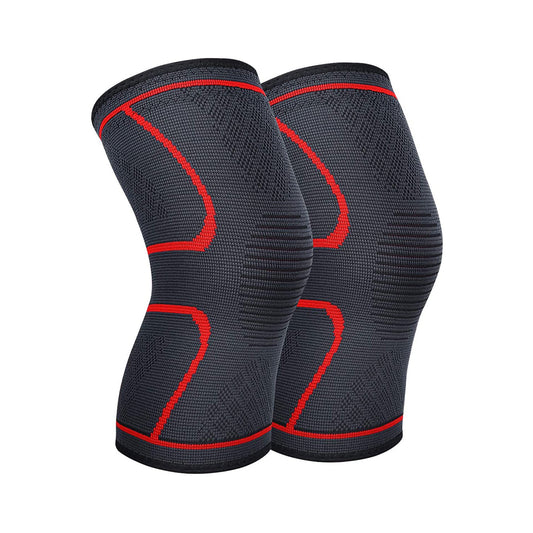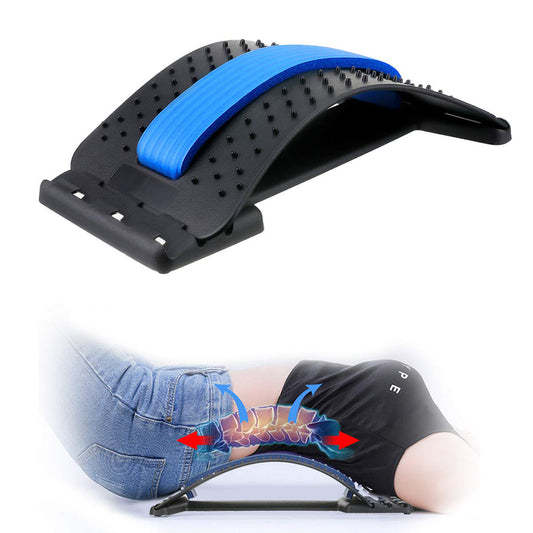
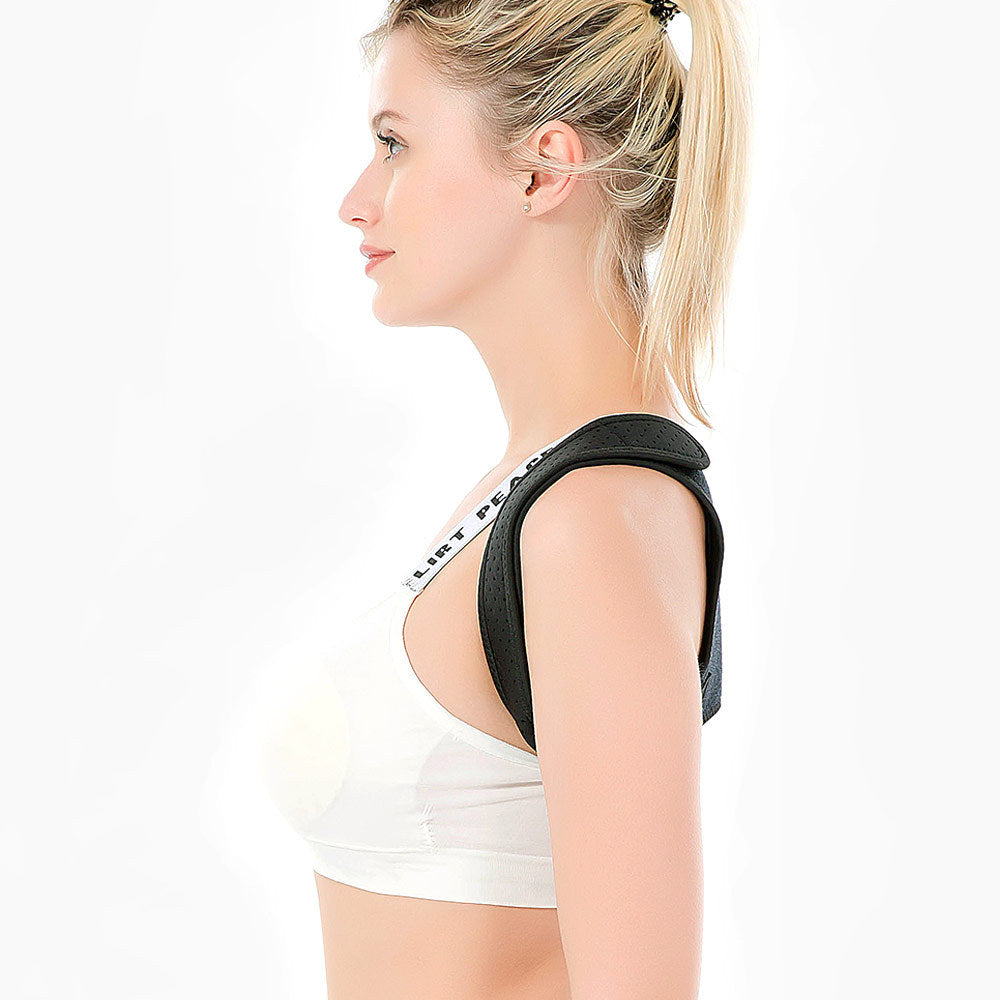
Can You Sleep With a Back Support On?
Share
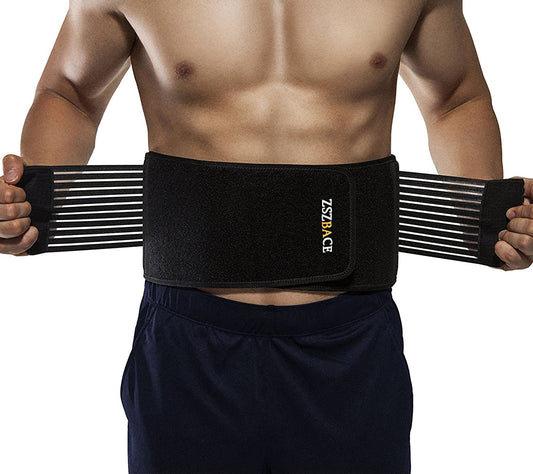
Short answer: sometimes—but not always. Whether you can sleep with a back support on depends on why you are wearing it, what kind of support it is, and whether a medical professional has told you to keep it on overnight.
For some people, nighttime use is part of a treatment plan after injury, surgery, or for a spinal condition. For others, wearing a brace to bed may feel helpful at first but can become uncomfortable or unnecessary if the real problem is poor sleep posture, an unsupportive mattress, or using the wrong type of support.
If you have severe pain, recent surgery, numbness, tingling, worsening weakness, or you were specifically prescribed a brace, follow your clinician’s instructions first.
When sleeping in a back support may make sense
There are situations where sleeping with a brace or support may be appropriate:
- You were told to wear it overnight after surgery, injury, or for a specific spinal condition.
- You need temporary stabilization because certain movements during sleep trigger pain.
- Your pain gets worse when you roll, twist, or change position and a support helps limit that motion.
- You are using a specialty brace as part of a treatment plan rather than a general comfort support.
In these situations, the purpose of the support is usually to reduce unwanted movement, improve positioning, or protect a healing area—not to be a permanent solution.
When you may not want to sleep in a back brace
Many people with back pain do not need to sleep in a support every night. In some cases, it may create new problems such as pressure, overheating, stiffness, or poor sleep quality.
You may want to avoid overnight use unless advised otherwise if:
- The brace feels too tight when lying down.
- You wake up with skin irritation, rubbing, or numbness.
- Your sleep feels lighter or more restless because the brace is uncomfortable.
- You are using a daytime support meant for activity, lifting, or posture cueing rather than sleep.
- You have started relying on it every night without understanding the cause of your pain.
What are the risks of wearing a back support too long?
One of the main concerns with frequent or prolonged brace use is over-reliance. A support can be useful in the short term, especially during flare-ups or recovery, but it should not automatically replace movement, exercise, or medical guidance.
Potential downsides may include:
- Muscle deconditioning: if you depend on external support too often, your core and back muscles may do less work over time.
- Reduced comfort: a brace that feels acceptable during the day may feel restrictive in bed.
- Skin pressure: seams, straps, and compression points may become more noticeable overnight.
- Delayed problem-solving: sometimes nighttime pain is more related to sleep position, mattress support, or inflammation than instability itself.
That is why many people do better using a back support strategically rather than continuously.
Questions to ask before wearing one to bed
Before you sleep in a back support, ask yourself:
- Was this brace designed or recommended for overnight wear?
- Do I feel pain relief, or am I just afraid to sleep without it?
- Is the fit still comfortable when I lie down?
- Am I waking up with more stiffness, heat, or pressure marks?
- Have I tried improving my mattress, pillow setup, or sleeping position first?
If the support makes you feel compressed, causes tingling, or interferes with breathing or sleep quality, stop and check with a medical professional.
Tips for safer nighttime back support use
If you have a valid reason to wear a support overnight, these tips may help:
- Make sure the brace is snug but not overly tight.
- Lie down in your usual sleep position and check for pressure points.
- Wear a thin, smooth layer underneath if it helps reduce rubbing.
- Re-check fit if swelling changes during recovery.
- Ask your doctor how many hours per day you should wear it and when to reduce use.
If your support was not specifically recommended for sleeping, it is generally better to be cautious rather than assume overnight wear is harmless.
Sometimes the better fix is your sleep setup
If your back pain mainly shows up at night, the brace may not be the root solution. In many cases, improving your sleep setup can matter just as much:
- Side sleepers may feel better with a pillow between the knees.
- Back sleepers may benefit from a pillow under the knees.
- A mattress that is too soft or too firm can make pain worse.
- Getting in and out of bed with less twisting may reduce flare-ups.
A brace can sometimes be one tool, but it works best when paired with good sleep positioning and a plan for recovery.
How long should you wear a back support overall?
There is no one answer for everyone. Some people are instructed to wear a brace for a defined recovery period. Others may only need one during certain activities or short pain flare-ups.
The right timeline depends on your condition, symptoms, and the type of support. If you are unsure, the safest approach is to ask the professional who recommended it. If no one recommended it and you are self-managing back pain, use caution with long-term or overnight wear.
The bottom line
Yes, you may be able to sleep with a back support on—but only when it makes sense for your condition and the support is appropriate for that use. If a doctor prescribed it for nighttime wear, follow that guidance. If you are using a general back support on your own, be mindful of comfort, fit, skin irritation, and overuse.
If your back pain keeps waking you up, or if you are depending on a brace every night just to get through sleep, that is a good sign to look deeper into the cause instead of relying on support alone.
FAQ
Is it bad to sleep with a back brace on every night?
It can be, depending on the reason and type of brace. Some people are told to wear one overnight, but for others, nightly use may cause discomfort or lead to over-reliance. If you are using one often, it is worth checking whether your pain needs a more complete treatment plan.
Can a back brace help with nighttime lower back pain?
It may help in some cases by limiting painful movement or adding temporary support. But nighttime pain can also come from sleep position, mattress issues, or an underlying condition, so a brace is not always the full answer.
Should a back support be tight while sleeping?
No. It should feel secure but not restrictive. If it feels too tight lying down, leaves deep marks, causes tingling, or affects comfort, it may not be suitable for overnight wear.
Can sleeping in a brace weaken your back muscles?
Overuse of external support may reduce how much your muscles have to work, which is one reason long-term brace dependence is usually not the goal. Short-term use is different from relying on a support all the time.
When should I ask a doctor before sleeping in a back support?
Ask a doctor if you have severe pain, a recent injury, surgery, spinal deformity, numbness, tingling, weakness, or if you are unsure whether your brace is meant for overnight use.