
Can You Wear a Posture Corrector While Exercising?
If you’re wondering, can you wear a posture corrector while exercising? the short answer is: sometimes, yes. A posture corrector can be helpful for light training, posture-focused movements, or gentle workouts where you want a reminder to keep your shoulders, back, and neck aligned. But for high-intensity training, heavy lifting, or any movement that feels restricted, it may be better to skip it.
The goal is not to force your body into one position. It’s to support better movement, better awareness, and better habits over time. That means the best choice depends on your workout, your posture needs, and how the support feels while you move.
When a posture corrector may help during exercise
A posture corrector can be useful during workouts that focus on form, control, and alignment. For example, it may act as a reminder to avoid slouching during light strength training, mobility work, or posture exercises. Some people also find it helpful for gentle routines like stretching, walking, or low-impact home workouts.
If you spend long hours sitting at a desk or driving, exercise can be a good time to practice better posture awareness. The support should feel like a cue, not a crutch.
When you should avoid wearing one
There are times when a posture corrector may get in the way. If it limits your breathing, range of motion, or ability to maintain proper form, it is not the right choice for that workout. That is especially true for:
- Heavy lifting
- Fast, explosive movements
- Running or cardio that requires full arm swing
- Sports with twisting, reaching, or overhead motion
Discomfort, pinching, or restricted movement are signs to stop and reassess fit and activity type.
How to use posture support the smart way
The best approach is to use posture support alongside movement training, not instead of it. Posture-focused exercises can help you build awareness and strengthen the muscles that support better alignment. Helpful movements may include:
- Chest stretches
- Neck mobility work
- Back extension exercises
- Shoulder blade squeezes
- Core control drills
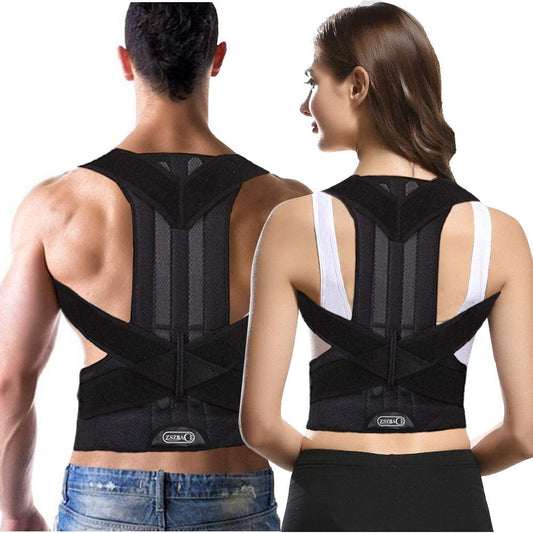
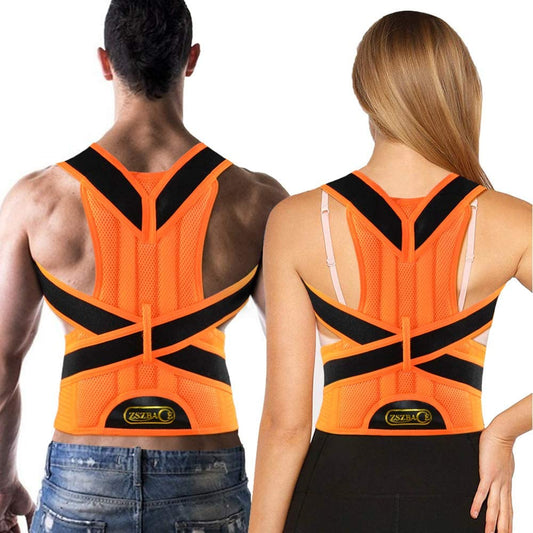
If you want to add support during workouts, choose gear that fits comfortably, stays discreet under clothing, and does not interfere with movement. For everyday wear or light exercise, a supportive brace or posture aid may be more practical than a rigid design.

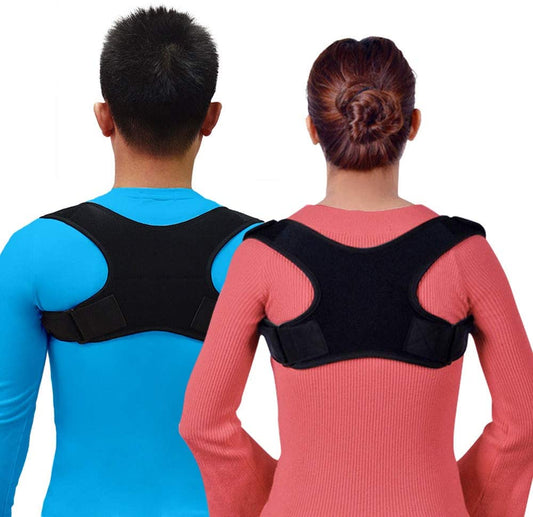
Posture Corrector Vest
Designed for support that can work well under clothing and during lighter activity.
Why it may help: A simple option if you want posture awareness during day-to-day movement or gentle exercise.
Choosing the right support for your routine
Before wearing a posture corrector to exercise, ask yourself three questions:
- Can I still move naturally? If not, the support is too restrictive.
- Does it match the workout? Light support may suit walking or mobility work, while more active sessions may require no brace at all.
- Am I using it to help form, not replace it? The best results come from better movement habits, not constant reliance.
If you’re looking for options, explore our posture correctors collection to compare styles and find a better fit for your needs.
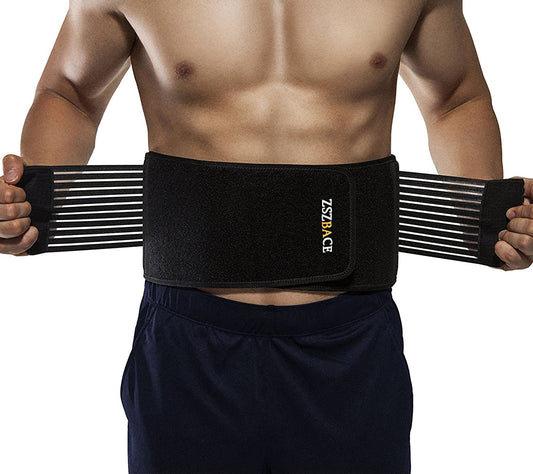
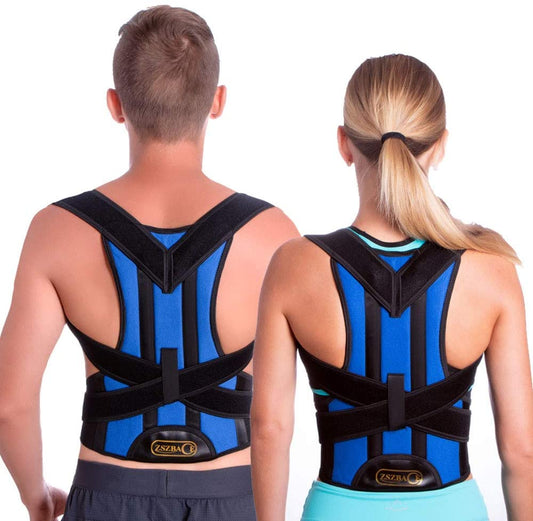
Posture Corrector Back Brace
A straightforward support option for posture awareness during everyday wear.
Why it may help: Useful if your main goal is gentle support rather than workout-specific compression.
Posture mistakes that can make exercise less effective
Wearing the wrong support is only one issue. Common posture mistakes during exercise include hunching the shoulders, jutting the chin forward, locking the knees, and over-arching the lower back. If your form changes as soon as you put on a brace, the support may be too rigid or the workout may need to be adjusted.
It’s also a good idea to pair your routine with helpful movement habits outside the gym, especially if your back pain is linked to sitting, driving, or computer work. You can also read more about everyday posture habits in our article on how to improve posture at work.
FAQ
Can I wear a posture corrector while working out every day?
You can wear one for some workouts, but it should not be your only posture strategy. Daily use works best when it is comfortable, fits well, and does not limit movement.
Should I wear a posture corrector for lifting weights?
It depends on the lift and the support design. If the brace restricts your shoulder, back, or core movement, it is usually better to train without it.
Will a posture corrector fix bad posture by itself?
No single device can do that on its own. A posture corrector may help with awareness, but lasting improvement usually comes from movement, strength, and better daily habits.
What should I do if a posture corrector feels uncomfortable during exercise?
Stop using it for that activity, check the fit, and choose a lower-profile option if needed. Comfort and natural movement should come first.
If you want a practical next step, start with light posture work, then choose a support option that fits your routine instead of forcing one brace to work for every activity.