
Can Posture Correctors Really Improve Your Posture?
Yes—posture correctors can help improve your posture, but they are not a permanent fix on their own. Think of them as a tool that reminds your body to stay in better alignment while you also build the strength and habits that support good posture over time.
If you spend long hours at a desk, on a phone, or in a repeated work position, it’s easy for the shoulders to round forward and for the upper back to feel tired or stiff. A posture corrector may help reduce slouching, increase body awareness, and make it easier to notice when you drift out of alignment.
What a posture corrector actually does
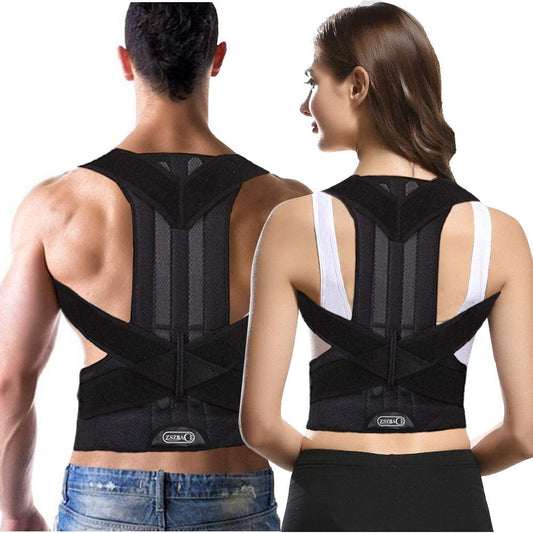
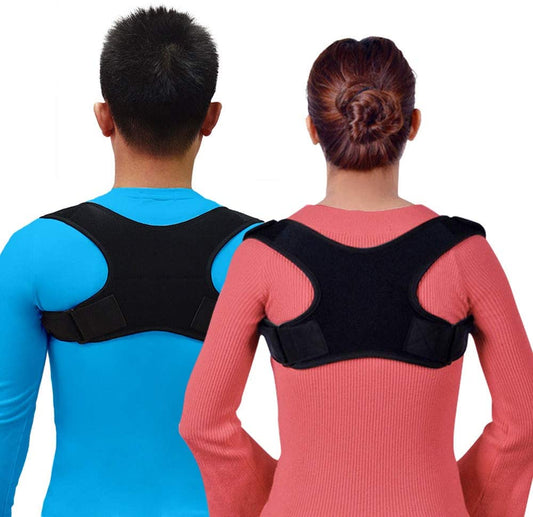
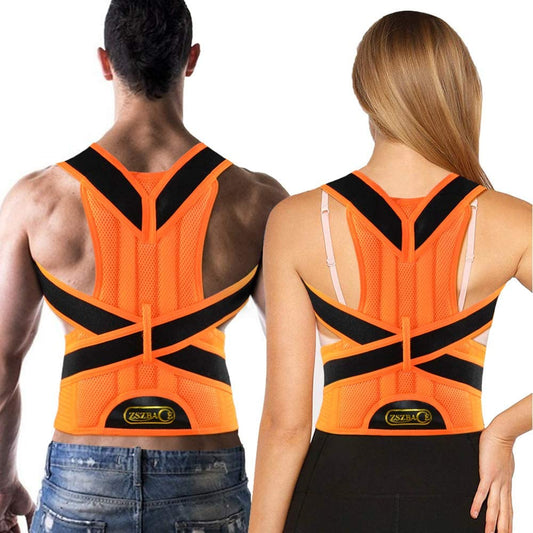
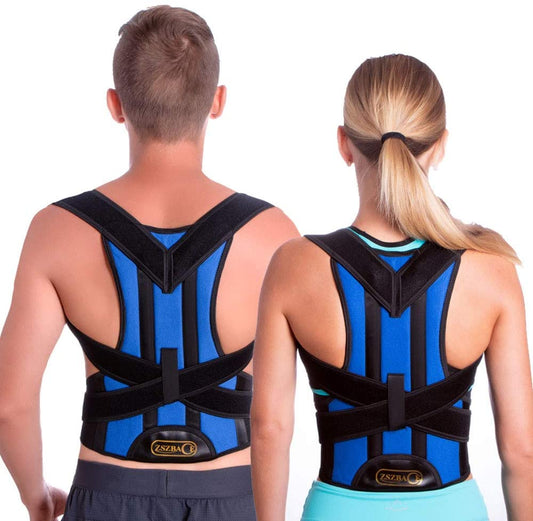
Most posture correctors work by gently encouraging a more upright position. Some wrap around the shoulders and upper back, while others use structured panels, vibration reminders, or integrated support to cue better posture.
That cue can be useful because posture is not only about “standing up straight.” It also depends on muscle balance, movement habits, and how long you stay in one position. If the chest muscles feel tight and the upper back muscles are underused, a posture corrector may help remind you to engage the right muscles more often.
Who may benefit most
Posture correctors are often most helpful for people who:
- sit for long periods at work
- notice frequent slouching or rounded shoulders
- feel mild upper-back or neck tension from poor posture habits
- want a wearable reminder while they build better movement habits
They are usually best for temporary support, not for replacing exercise, mobility work, or ergonomic improvements.
What to look for when choosing one
Choosing the right posture corrector matters more than choosing the most restrictive one. A good option should feel supportive, not painful or overly rigid.
- Comfort: Breathable materials are important, especially if you plan to wear it during the day.
- Fit: It should be easy to put on, adjust, and remove without help.
- Support level: Look for gentle guidance rather than a device that forces your body into an unnatural position.
- Daily use: If you want something you can wear discreetly under clothing, choose a low-profile design.
If you want to compare different support styles, browse our posture correctors collection to find a design that fits your routine.
How to use a posture corrector safely
The biggest mistake people make is wearing a posture corrector too long or expecting it to do all the work. These devices are best used for short periods as a reminder, not as all-day support.
For most people, the best approach is to:
- wear it for a limited time each day
- combine it with stretching and strengthening exercises
- adjust your desk, chair, and screen height if posture problems happen at work
- pay attention to discomfort and remove the device if it feels restrictive or causes pain
If your posture issues are tied to weakness, stiffness, or recurring pain, a posture corrector should be part of a broader plan—not the only solution.
Helpful habits that make posture support work better
Posture correctors work best when they support good habits rather than replace them. A few simple changes can make a big difference:
- stand up and move regularly during the day
- keep screens at a comfortable eye level
- stretch the chest and shoulders
- strengthen the upper back and core
- avoid staying in the same position for too long
These habits help your body learn better alignment so you rely less on the device over time.

Shop Posture Correctors
Browse posture support options designed to help you build better awareness and posture habits.
Explore the collection
When to be cautious
A posture corrector is not ideal if it causes pain, pinching, numbness, or encourages you to depend on it instead of improving your posture habits. If you have persistent neck, back, or shoulder pain, it’s best to speak with a qualified health professional before relying on any wearable support.
Bottom line
Posture correctors can improve posture awareness and help reduce slouching, especially when used for short periods and paired with better movement habits. They work best as a support tool—useful, but not magical.
If you’re looking for a practical next step, start with a comfortable posture support option and build a routine around it. That combination is far more effective than expecting one device to fix everything.
FAQ
Do posture correctors really work?
They can help remind you to sit or stand taller and may improve posture awareness. Results are usually best when you also work on strength, mobility, and ergonomics.
How long should I wear a posture corrector?
Use it for short periods rather than all day. The goal is to train better habits, not become dependent on the device.
Can a posture corrector fix rounded shoulders?
It may help with awareness and support, but rounded shoulders usually improve most when posture support is combined with stretching and strengthening.
Is a posture corrector good for work?
It can be useful during desk work if it helps you notice slouching, but it should be used alongside better workstation setup and movement breaks.