Disadvantages of a Hunchback: What It Can Affect and How to Improve Posture
A hunchback posture usually refers to an exaggerated rounding of the upper back, often called thoracic kyphosis in a medical context. In everyday life, people may also use terms like hunch back, rounded shoulders, or a dowager's hump. The main disadvantage is not only how posture looks, but how it can affect comfort, movement, and the way your neck, shoulders, and upper back work together over time.
If you have a slight hunchback, posture-related habits may be part of the problem. If the curve is pronounced, painful, getting worse, or related to age, osteoporosis, or spinal deformity, it is best to speak with a qualified medical professional.
What does a hunchback look like?
People searching for “what does a hunchback look like” are usually trying to compare a normal back vs hunchback posture. Common signs can include:
- A more rounded upper back than usual
- Shoulders that roll forward
- A forward head position
- Tight chest muscles and weak upper-back muscles
- Difficulty standing tall for long periods
A slight hunchback may be most noticeable when sitting at a desk, looking at a phone, or feeling fatigued late in the day.
Disadvantages of a hunchback posture
The effects vary from person to person, but a hunched posture can create a chain reaction through the upper body. Common disadvantages include:
1. Neck, shoulder, and upper-back strain
When the upper back rounds forward, the head often shifts forward too. That can increase strain on the neck, shoulders, and upper back, especially during desk work, driving, or long periods of screen time.
2. Muscle imbalance
Hunchback posture is often linked with tight chest muscles and weaker upper-back muscles. This imbalance can make it harder to maintain an upright position naturally.
3. Reduced mobility and posture endurance
Some people find it harder to straighten up, retract the shoulders, or stay comfortable when standing for long periods. Even if the posture can be corrected briefly, it may return quickly if the supporting muscles tire easily.
4. Discomfort during daily tasks
Slouching can make everyday activities less comfortable, including computer work, reading, walking, or household chores. For some people, poor posture habits also contribute to mid-back or waist discomfort.
5. Changes in appearance and confidence
Many people are concerned about how a hunchback posture looks in photos, clothing, or side profile. Appearance is not the only issue, but it often affects confidence and body awareness.
6. In more severe cases, function may be affected
If the curve becomes significant, some people may notice more stiffness, reduced comfort with movement, or difficulty taking a full, relaxed posture. Severe structural kyphosis should be evaluated professionally rather than self-treated.
Common causes of a hunch back
There is not just one cause. A hunchback posture may be related to:
- Long-term slouching while sitting, studying, or using devices
- Weak upper-back and postural muscles
- Rounded-shoulder posture habits
- Age-related spinal changes
- Osteoporosis-related changes in older adults
- Structural spinal conditions that need medical evaluation
If posture improves when you consciously stand tall, the issue may be more posture-related. If the curve feels rigid, painful, or progressive, professional assessment matters more.
Can a hunchback be fixed?
This depends on the cause. A posture-related hunch back is often more improvable than a structural spinal deformity. Many people with mild or slight hunchback posture can improve alignment, comfort, and posture awareness with consistent habits. That may include mobility work, strengthening, workstation changes, and sometimes external support.
If you want to explore supportive options, you can browse the posture correction back brace support collection for braces designed around everyday posture support.
Practical ways to improve a hunchback posture
Stand tall against a wall
A simple wall posture drill can help build body awareness. Stand with your back near a wall and gently line up your head, shoulders, and hips as comfortably as possible. Do not force pain.
Strengthen the upper back
Focus on exercises that encourage shoulder blade control and upper-back strength. This matters because posture often slips back when those muscles fatigue quickly.
Open the chest
If your chest and front shoulders feel tight, gentle stretching may help balance the rounded-shoulder position created by long hours of sitting.
Adjust your desk and screen setup
If your workday involves long sitting hours, improving screen height, chair support, and break frequency can help reduce repeated slouching patterns.
Use posture support as a reminder, not a substitute
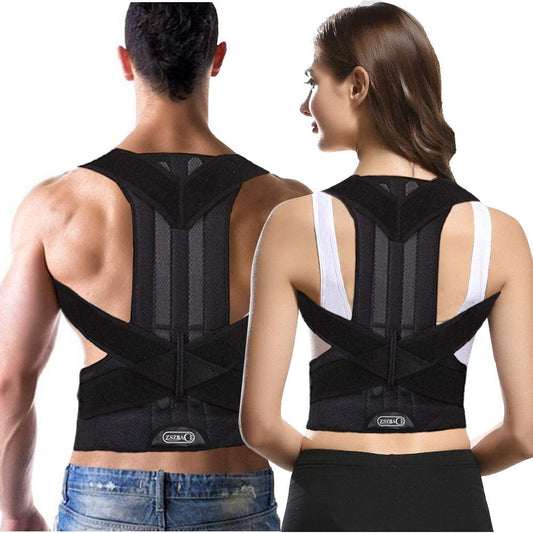
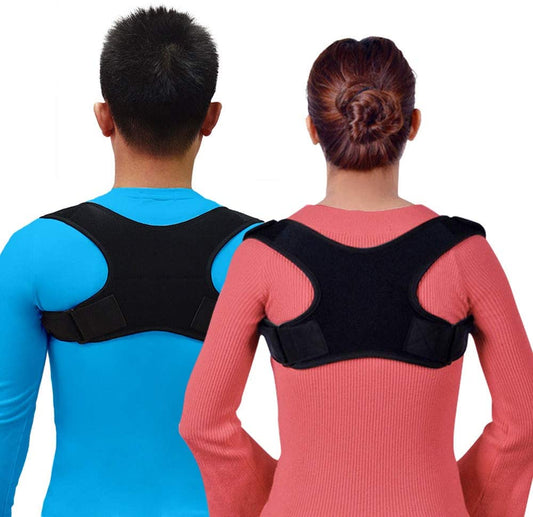
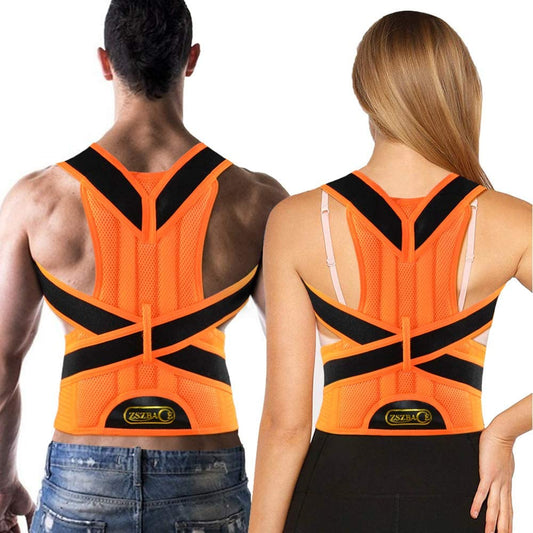
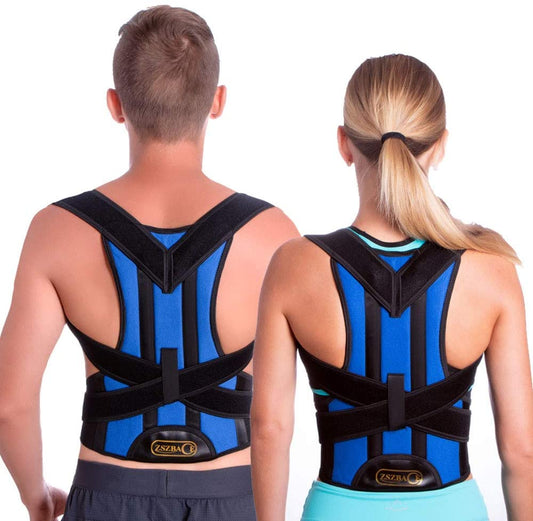
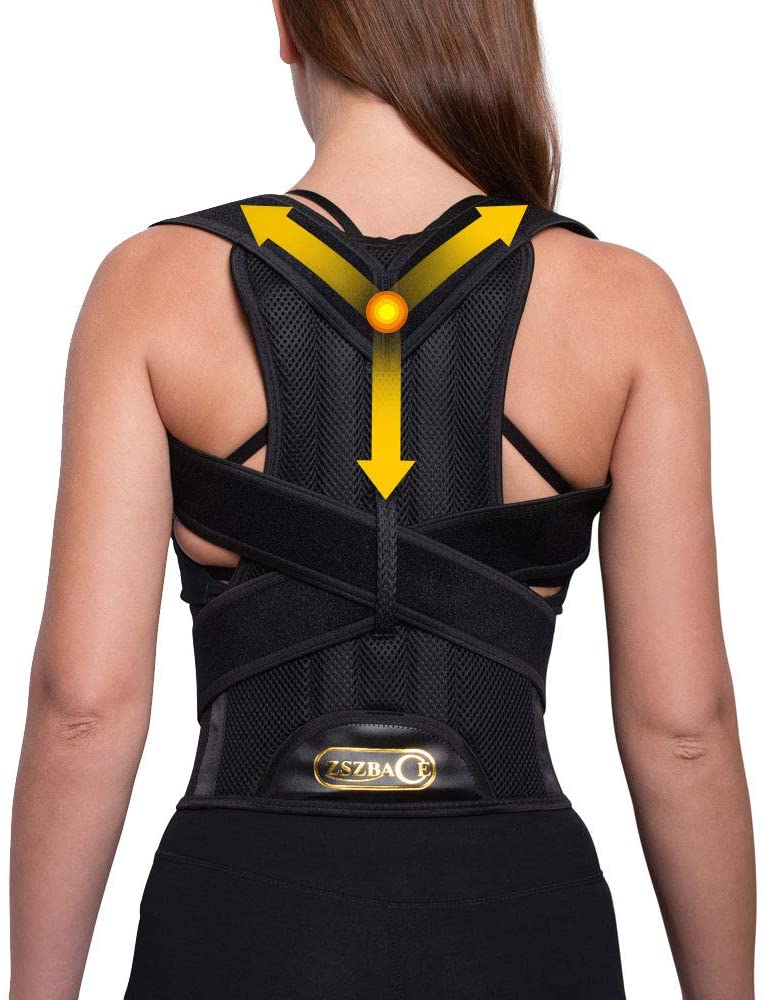
Some people like a brace because it provides a physical reminder to avoid collapsing into a hunched position. If that approach fits your routine, a Posture Corrector Back Brace may be a practical option for daily posture support.

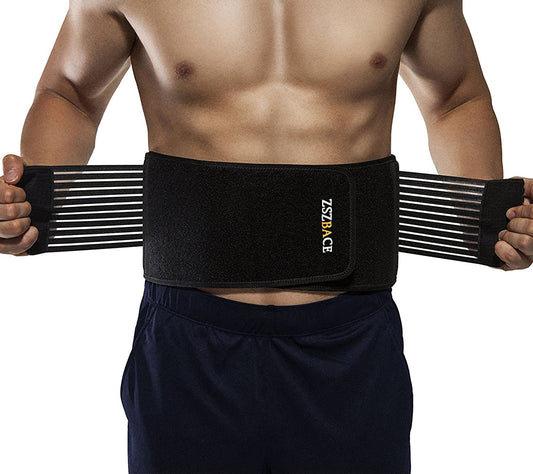
ZSZBACE Posture Corrector Back Brace for Daily Support
Adjustable back brace for posture support and upper-back alignment.
Why it may help: Useful for people who want a wearable reminder to sit and stand more upright during daily routines.
Mistakes to avoid when trying to fix a hunchback
- Expecting instant change: posture usually improves through consistent habits, not a one-day correction.
- Over-correcting too aggressively: forcing the shoulders back hard can create more tension.
- Ignoring pain or a worsening curve: worsening posture needs evaluation, especially in older adults.
- Relying only on a brace: support products can help posture awareness, but they work best alongside movement and strengthening.
When to seek medical advice
See a healthcare professional if you notice:
- A rapidly worsening curve
- Persistent pain
- Numbness, weakness, or balance issues
- A rigid upper-back curve that does not improve with posture changes
- Concern about osteoporosis or age-related spinal changes
Older adults in particular may also want to read how a back brace can help patients with osteoporosis for more context on posture changes related to bone health.
A helpful next step if you want posture support
If your main goal is to compare brace styles for rounded shoulders, upper-back support, or a mild hunch back, explore the Dowager's Hump Brace collection. It is a useful next step if you want to review more posture-correction options instead of choosing from a single product right away.
Related reading
FAQ
What is a hunchback?
A hunchback usually describes an exaggerated rounding of the upper back. It may be posture-related, age-related, or connected to a structural spinal issue.
What does a slight hunchback mean?
A slight hunchback often means the upper back looks mildly rounded, especially when sitting or tired. In many cases, posture habits and muscle imbalance play a role.
Hunchback vs normal back: what is the difference?
In a more neutral posture, the head, shoulders, and upper back stay more balanced. With a hunchback posture, the upper back rounds more noticeably and the shoulders and head often drift forward.
Can a hunchback be fixed?
A posture-related hunchback can often be improved. Structural causes may need medical care, imaging, or a more specific treatment plan.
Do posture correctors really help?
They can help as a reminder and support tool for some people, especially during daily sitting or standing tasks. They are usually most useful when combined with posture exercises and better habits.