
Do Arthritis Gloves Work? What They Can Help With, What They Can’t, and How to Choose
Share
Short answer: arthritis gloves can help, but they do not work the same way for everyone.
For some people, they make hands feel warmer, less stiff, and more supported during daily tasks or while resting at night. For others, the benefit is mild and mostly comes from light compression and comfort rather than dramatic pain relief. The best way to think about arthritis gloves is as a supportive tool, not a cure.
If you deal with hand arthritis, morning stiffness, swelling around the fingers, or discomfort when typing, gripping, or sleeping, gloves may be worth trying as part of your routine. They are often used alongside other approaches such as rest, exercise, and guidance from a medical professional.
How arthritis gloves are supposed to work
Most arthritis gloves are designed around two simple ideas: gentle compression and warmth.
- Compression may help some people by giving the hands a snug, supported feel and by reducing the sensation of puffiness or mild swelling.
- Warmth can be comforting when joints feel stiff, especially in cool environments or first thing in the morning.
- Light support may make everyday hand movement feel easier, even if the glove is not a rigid brace.
That does not mean every glove will produce the same result. A soft compression glove is different from a more structured support glove or wrist splint. The right choice depends on whether your main issue is aching joints, finger stiffness, swelling, wrist discomfort, or nighttime symptoms.
What arthritis gloves may help with
People usually try arthritis gloves for one or more of these reasons:
- Hand stiffness, especially after sleeping or inactivity
- Mild swelling in the fingers or knuckles
- Aching hands during repetitive tasks
- Cold hands that seem to make joint discomfort worse
- Wanting light support without a bulky brace
When they help, the effect is often practical rather than dramatic: opening jars may feel less uncomfortable, finger motion may feel smoother, or hands may feel more comfortable during rest.
What arthritis gloves cannot do
It is just as important to know their limits.
Arthritis gloves do not cure arthritis, reverse joint changes, or replace medical care. They also may not be enough if your symptoms are severe, if you have major inflammation, or if your pain is coming more from the wrist, nerve compression, or another condition entirely.
If a glove feels painfully tight, causes numbness, leaves deep marks, or makes your hands feel worse, it is not the right fit. In that case, stop using it and ask a clinician what type of support makes more sense for your symptoms.
Do they work better during the day or at night?
That depends on why you are wearing them.
Nighttime wear can be helpful for people who wake up with stiff, uncomfortable hands. Because you are wearing the gloves for a longer, uninterrupted stretch, you may notice a better comfort benefit by morning.
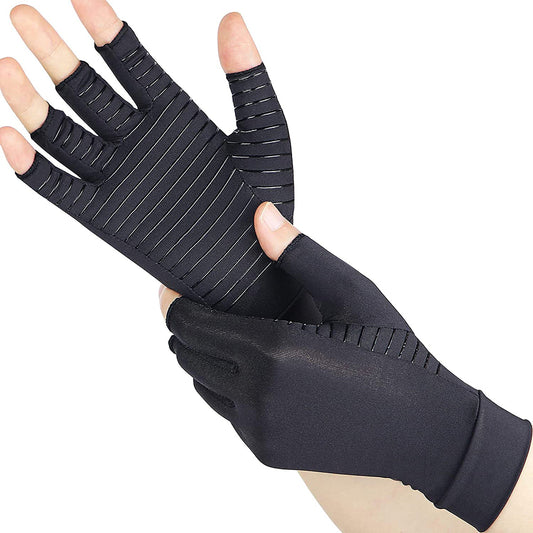
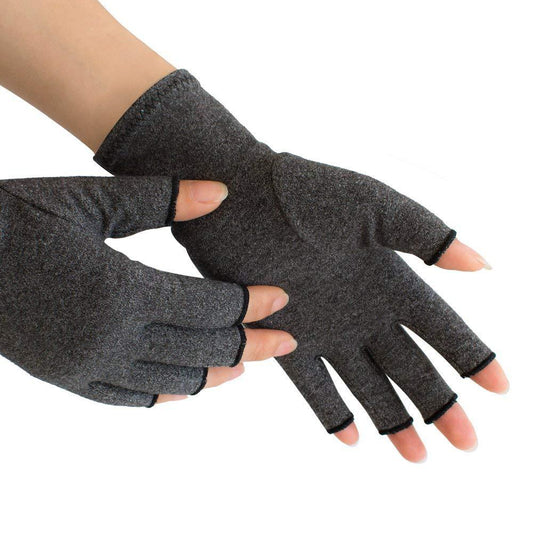
Daytime wear can make more sense if your symptoms show up while typing, doing chores, crafting, driving, or using your phone. Fingerless styles are often chosen for this reason because they let you keep more dexterity for everyday tasks.
Instead of focusing on a strict number of hours, pay attention to comfort. Start with shorter wear periods, then increase if the gloves feel good and do not irritate your skin or circulation.
How long does it take to notice a difference?
Some people notice the effect quickly, especially if warmth and gentle compression make their hands feel more comfortable right away. Others need several days of consistent use before deciding whether the gloves are helpful.
A good question to ask yourself is: Do my hands feel more comfortable, less stiff, or easier to use when I wear them? If the answer is yes, even modestly, that may be enough to make them a useful part of your routine.
How to choose the right pair
If you are comparing options, focus on fit and use case more than marketing language.
1. Decide what bothers you most
- Stiff fingers or aching knuckles: a soft compression glove may be enough.
- Cold-sensitive hands: warmth and fabric comfort may matter most.
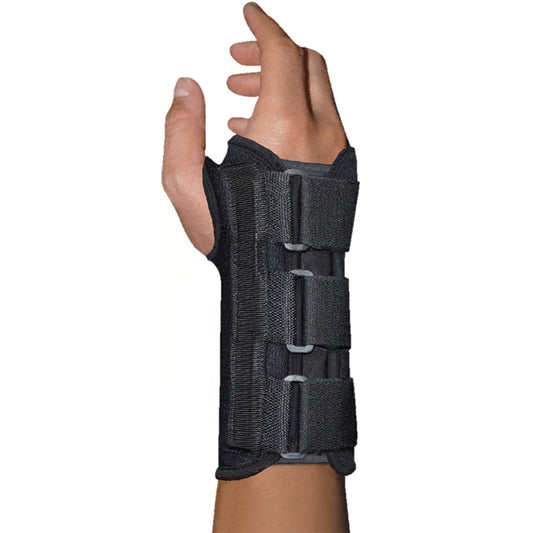
- Wrist discomfort too: you may need more support than a basic glove provides.
- Night symptoms: choose a soft, non-bulky style you can tolerate for longer wear.
2. Check the fit carefully
The glove should feel snug, not restrictive. Too loose and you may not notice much benefit. Too tight and it can become uncomfortable fast.
3. Think about your daily tasks
If you need to text, type, cook, or work with your hands, a fingerless design is often easier to live with than a full glove.
4. Look for realistic comfort features
Seams, fabric feel, breathability, and ease of putting the glove on all matter more than exaggerated claims.
Common mistakes people make
- Choosing a glove that is too tight because they assume more compression is always better
- Expecting a glove to fix every kind of hand pain
- Wearing an uncomfortable glove too long and assuming all arthritis gloves are the same
- Ignoring wrist symptoms when the real issue may need a different kind of support
- Using gloves alone without adjusting aggravating activities or getting medical advice when symptoms are persistent
When arthritis gloves are most worth trying
They are often worth trying when you want a low-effort, non-bulky support option for mild to moderate hand discomfort, especially if your symptoms include stiffness, puffiness, or cold-related discomfort.
They may be less satisfying if you are looking for firm immobilization or if your symptoms are centered more in the wrist than the fingers and knuckles.
Final verdict: do arthritis gloves work?
Yes, arthritis gloves can work for symptom relief, especially for people who benefit from gentle compression, warmth, and light daily support. The benefit is usually about improved comfort and easier movement, not a cure or guaranteed result.
If your symptoms are mild to moderate, they can be a practical thing to try. If your pain is severe, worsening, or paired with numbness, major swelling, or loss of function, it is best to speak with a healthcare professional to rule out a different issue or get more targeted treatment guidance.
Frequently asked questions
Should arthritis gloves be tight?
They should feel snug, but not painfully tight. If you notice tingling, numbness, deep pressure marks, or increased pain, the fit is too tight.
Can you sleep in arthritis gloves?
Many people do, especially if morning stiffness is their main problem. The glove should be comfortable enough for longer wear and should not interfere with circulation.
Are fingerless gloves better for arthritis?
Fingerless gloves are often easier for daytime use because they allow more dexterity for typing, phone use, and household tasks. Full-finger styles may feel warmer, but comfort and usability matter most.
Do arthritis gloves help swelling?
They may help some people with mild swelling or a puffy feeling in the hands. They are not a treatment for significant swelling or sudden inflammation, which should be evaluated medically if it is new or severe.
When should you not use arthritis gloves?
Avoid using them if they cause numbness, discoloration, discomfort, or skin irritation. If you have circulation concerns, severe swelling, or unexplained hand symptoms, ask a healthcare professional before using compression gloves.