Do Maternity Belts Help Reduce Post-Pregnancy Belly?
Short answer: maternity belts may help you feel more supported after pregnancy, but they do not directly remove belly fat or replace recovery habits that help your body heal. Their main benefits are usually comfort, posture support, and gentle abdominal support while your body recovers.
If you’re wondering whether a maternity belt can reduce a post-pregnancy belly, the most realistic answer is: it may help you look and feel more supported, but results vary. A belt can be useful alongside rest, gradual movement, nourishing meals, and core-strengthening guidance from your healthcare professional.
What a maternity belt can do
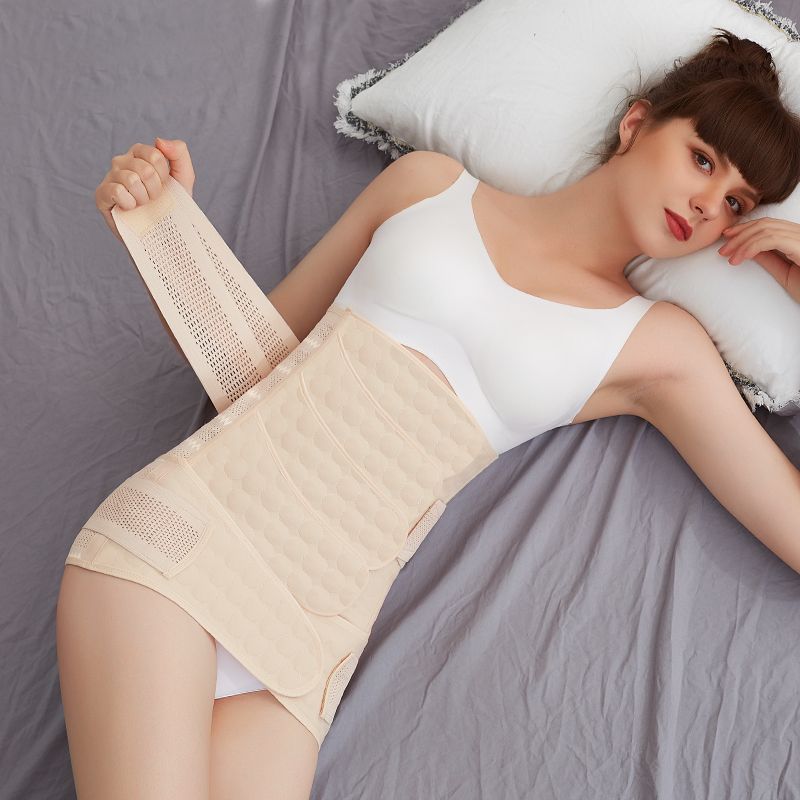
A maternity belt is designed to support the abdomen, lower back, and pelvis. After delivery, some people find that wearing one helps them:
- Stand more comfortably with better posture
- Reduce the feeling of strain in the lower back
- Feel more secure when moving around
- Manage mild abdominal support during daily tasks
For some people, that extra support can make the belly feel less heavy or more controlled, especially in the first weeks after birth. But that is different from reducing body fat or permanently shrinking the abdomen.
What a maternity belt cannot do
A maternity belt does not melt fat, tighten muscles on its own, or guarantee a flatter stomach. If your post-pregnancy belly is related to body fat, muscle separation, bloating, or normal healing changes, a belt alone will not fix the cause.
It is also important not to rely on a belt too much. Over-supporting the abdomen for long periods can make it easier to ignore the gentle core work your body needs over time.
When to wear one safely
How soon you can wear a maternity belt after birth depends on your delivery and your doctor’s advice. After a vaginal delivery, some people may start using one fairly soon if they feel comfortable. After a C-section, you usually need more healing time before adding pressure around the incision area.
Always ask your doctor or midwife before using a belt if you have had surgery, heavy bleeding, pain, or any healing concerns.
For a fuller overview of recovery timing and belly support, you may also want to read our article on post-pregnancy belly support and recovery.
How to use a maternity belt without overdoing it
If you decide to wear a belt, keep these tips in mind:
- Choose a size and fit that feels supportive, not restrictive
- Wear it for short periods rather than all day
- Do not tighten it so much that you feel pressure, pain, or breathing restriction
- Stop using it if you notice rash, numbness, discomfort, or increased pain
- Pair it with gentle movement and core rehabilitation when appropriate
Think of the belt as a helper, not the whole recovery plan.
Who may benefit most from a maternity belt
A maternity belt may be most helpful if you:
- Want extra support while standing or walking
- Feel lower back pressure after delivery
- Need a reminder to maintain better posture
- Want gentle abdominal support during day-to-day recovery
If you have diastasis recti, abdominal surgery, or persistent pain, it is especially important to ask a clinician for guidance before choosing any compression or support garment.
Choosing the right support garment
If you are comparing post-pregnancy support options, look for a belt or wrap that is adjustable, comfortable, and easy to wear for short periods. A softer material and a secure fit can make a big difference in daily comfort.
Here are a couple of products that may be worth exploring if you want supportive, adjustable options for recovery-related comfort:

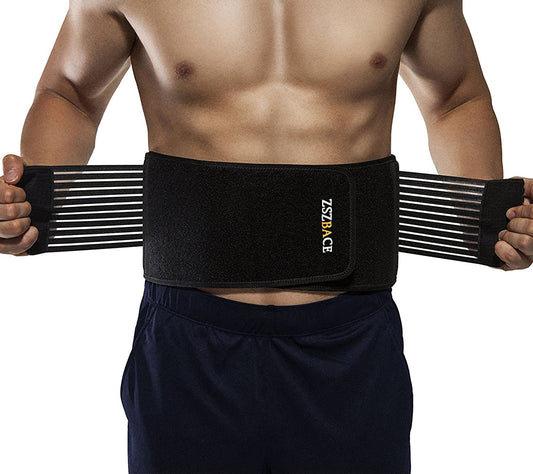
Adjustable Postpartum Support Belt
A support option to help with comfort, posture, and gentle abdominal support during recovery.
See details
Why it may be relevant: if you want a simple support layer while you ease back into normal movement, an adjustable belt can be a practical place to start.
For a broader view of options, visit our postpartum support collection to compare recovery-friendly items in one place.
Common mistakes to avoid
Many people get less comfort from a maternity belt when they:
- Wear it too tightly
- Keep it on for long stretches without breaks
- Use it instead of rest, nutrition, or rehab guidance
- Ignore pain, skin irritation, or pressure around the incision area
- Expect it to flatten the belly by itself
Support garments work best when they fit into a realistic recovery routine.
Recovery habits that matter more than the belt
If your goal is to reduce your post-pregnancy belly over time, the biggest drivers are usually:
- Giving your body time to heal
- Eating enough nourishing food
- Hydrating well
- Adding movement gradually
- Following safe core recovery advice
If you are also dealing with discomfort in your back or pelvis, it may help to read more about related support needs in our postpartum recovery guide.
Frequently asked questions
Can a maternity belt make my belly smaller?
It may make your belly feel more supported and look temporarily smoother under clothing, but it does not reduce fat or guarantee long-term size changes.
How long should I wear a maternity belt each day?
That depends on your comfort and recovery stage. Many people use it only for short periods. If you are unsure, ask a healthcare professional for guidance.
Is it safe to wear a maternity belt after a C-section?
Only after your doctor says it is appropriate. You need to avoid placing too much pressure on a healing incision.
What is better than a maternity belt for belly recovery?
A combination of rest, gentle movement, nutrition, and safe postpartum core work is usually more important than any support garment alone.
What should I do if the belt feels uncomfortable?
Loosen it, adjust the fit, or stop wearing it if discomfort continues. A belt should support you, not cause pain or breathing restriction.
Post-pregnancy recovery looks different for everyone. If a maternity belt helps you feel more stable and comfortable, it can be a useful tool. Just remember that it is support, not a shortcut. The best results usually come from pairing it with patience, safe movement, and medical guidance when needed.