
Why Belly, Waist, and Lower-Back Discomfort Happens — and What May Help
Abdominal discomfort, a tight waistline, or lower-back pain can show up for many different reasons. Sometimes it is simple strain from poor posture, long hours sitting, or lifting incorrectly. Other times, bloating, muscle tension, or an unstable core may make the whole midsection feel uncomfortable.
The goal of this guide is to help you understand what may be behind the discomfort and what you can do next. If you are looking for practical support, posture awareness, and better daily comfort, the sections below can help you choose the right next step.
Common reasons belly, waist, and back discomfort happen
Discomfort around the abdomen, waist, or lower back often comes from everyday movement patterns. Some common triggers include:
- Long periods of sitting without breaks
- Poor lifting form or sudden twisting
- Weak core or limited trunk support
- Tight muscles from exercise or repetitive motion
- General strain from standing, bending, or working for long hours
In some cases, the problem may feel more like pressure or instability than sharp pain. If symptoms are severe, persistent, or unusual, it is always best to speak with a healthcare professional.
What makes the problem feel worse?
People often notice that discomfort increases when they:
- Stay in one position too long
- Skip warm-ups before activity
- Wear unsupportive clothing during physical work
- Push through pain instead of resting
- Ignore small aches until they become bigger problems
Improving posture, taking movement breaks, and using supportive gear when appropriate can make a noticeable difference in daily comfort.
When support gear may be useful
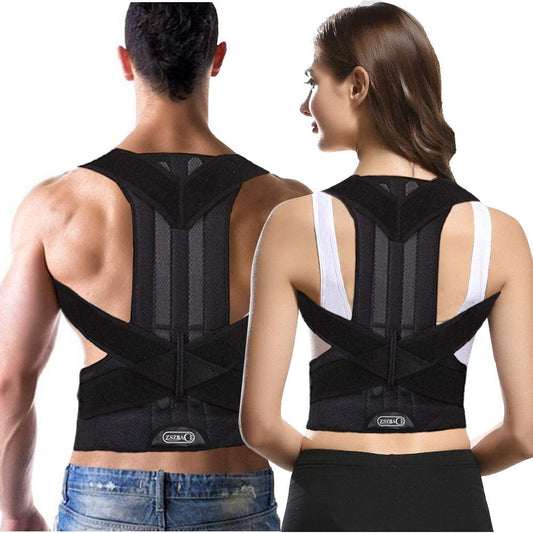
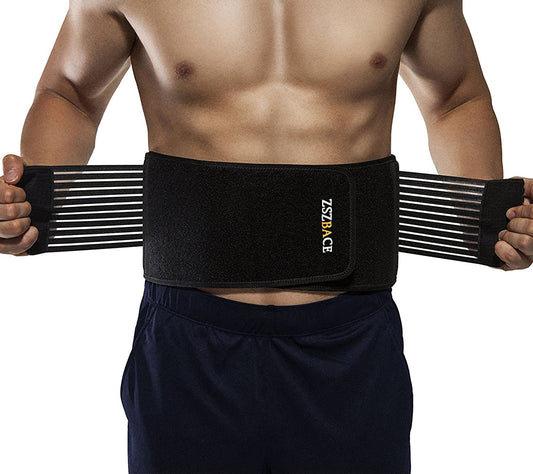
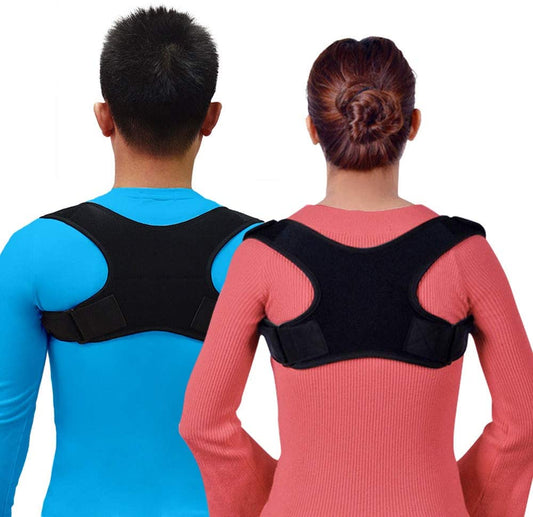
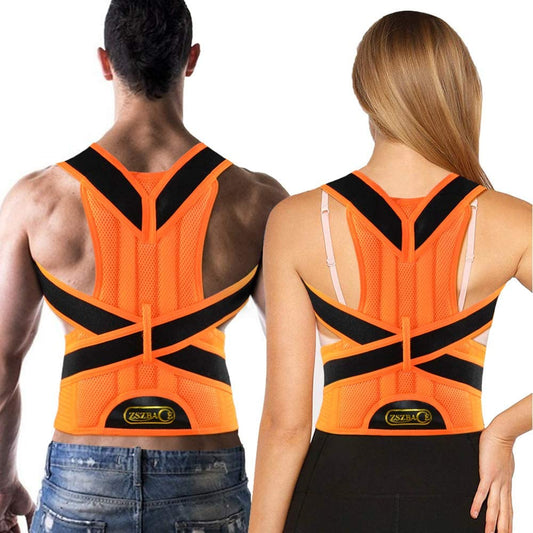
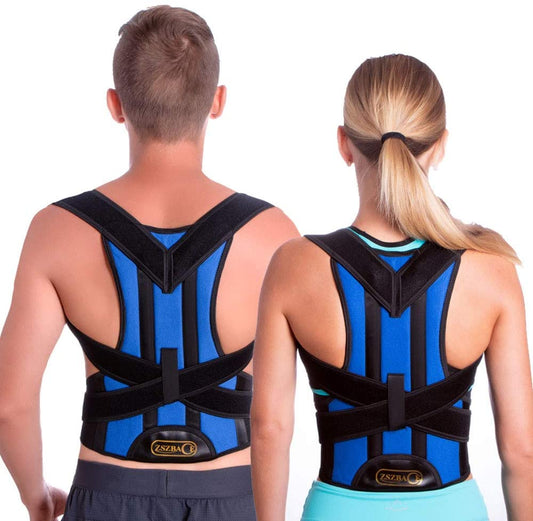
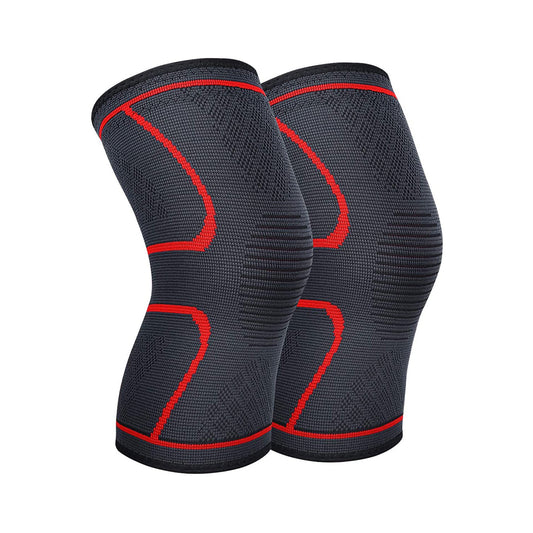
Support products are not a cure, but they can help provide compression, stability, and a reminder to move more carefully. For people who want extra support during daily tasks, exercise, or recovery from strain, a well-fitted brace may be a practical option.
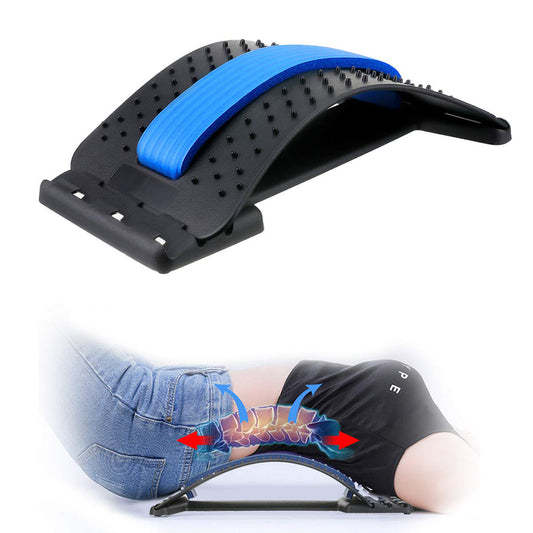
If you want targeted lower-back support, the back support collection is a helpful place to compare options and find the right fit for your needs.

Back Support Brace
Designed to offer compression and stability for everyday lower-back support.
Why it may help: Useful when you want extra support during work, movement, or daily activities.
How to choose supportive wear
When comparing braces or belts, look for practical features that match your routine:
- Adjustability: A secure fit matters if you need more or less compression.
- Stability: Reinforced support can help during lifting or long wear periods.
- Comfort: Breathable, comfortable materials are easier to wear consistently.
- Mobility: Support should feel helpful, not overly restrictive.
If your main concern is waist or abdominal support during daily wear, you may also want to explore the waist trainer collection for related options.
Simple habits that can help
Support gear works best when paired with better daily habits. Try these basics:
- Take short standing or walking breaks
- Use proper lifting technique
- Stretch gently before and after activity
- Keep your core engaged during physical tasks
- Choose a support level that feels comfortable for real-world use
If your discomfort is related to posture, this may also be a good time to read more about posture correction basics and how alignment affects daily comfort.
What to avoid
It is easy to make discomfort worse by choosing the wrong support approach. Avoid:
- Using a brace that is too tight
- Wearing support gear for too long without breaks if it becomes uncomfortable
- Relying on a belt while ignoring posture or movement habits
- Assuming all abdominal or back pain is the same
The best option is usually the one that supports your routine without limiting movement too much.
FAQ
Why does my waist or lower back hurt after sitting all day?
Long sitting can tighten muscles, reduce mobility, and place more pressure on the lower back and midsection. Standing up often, stretching, and using supportive gear when needed may help improve comfort.
Can a back brace help with everyday discomfort?
A back brace may help provide compression and stability for some people during daily activities. It is best used as support, not as a replacement for rest, movement, or medical advice.
How do I know which support product to choose?
Choose based on the area you want to support, how much adjustability you need, and how long you expect to wear it. A product that feels comfortable and secure is usually easier to use consistently.
When should I seek medical advice?
If pain is severe, keeps coming back, or comes with other concerning symptoms, speak with a healthcare professional to understand the cause and next steps.
For more support options, you can also browse the back support collection to compare related products in one place.