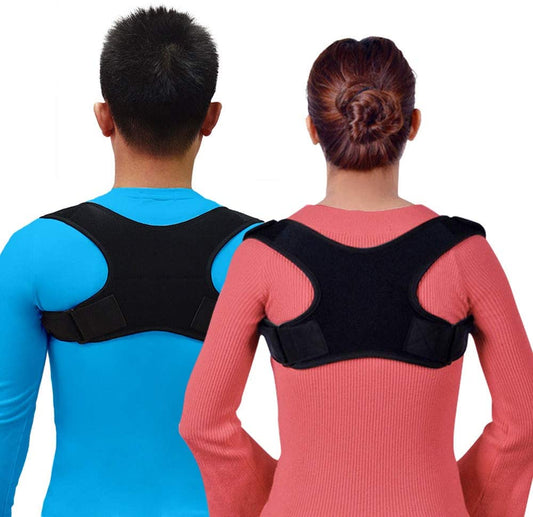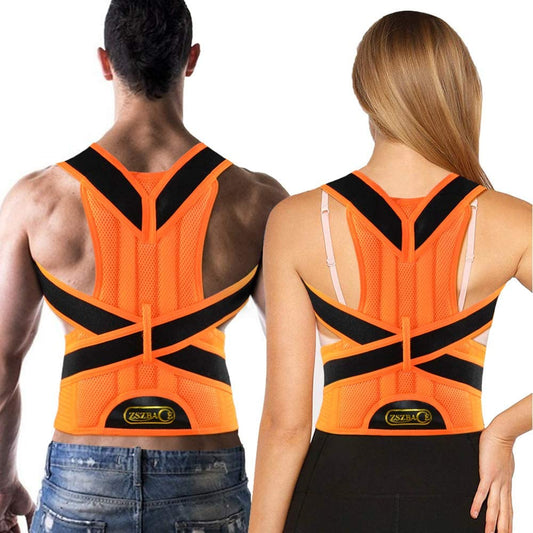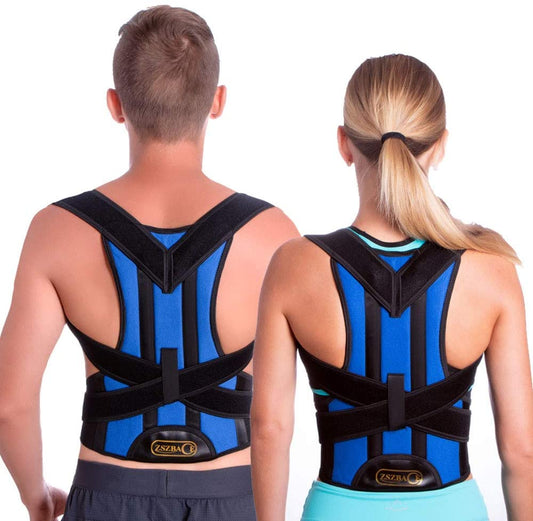

Do You Need a Back Posture Corrector?
Share
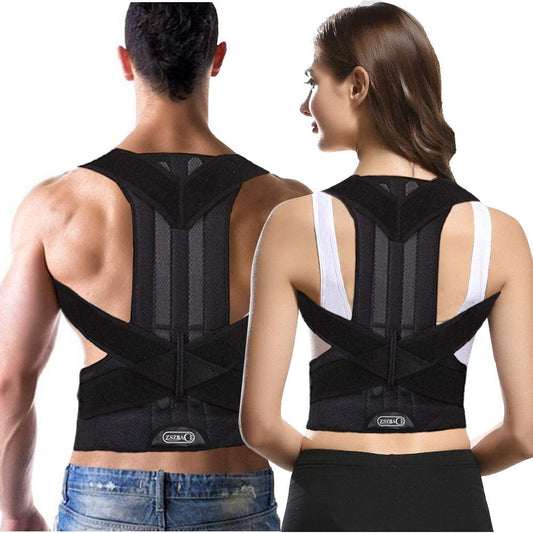
If you spend hours at a desk, look down at your phone often, or notice that your shoulders round forward by the end of the day, you may be wondering whether a back posture corrector is worth trying. The short answer: it can be helpful for some people as a gentle reminder to improve posture habits, especially when paired with regular movement and better workstation setup.
A posture corrector is usually most useful when your goal is better posture awareness and light support during daily activities. It is less helpful if you expect it to instantly “fix” years of slouching without changing your habits.
Signs you may benefit from a posture corrector
You may want to try one if:
- You often catch yourself slumping over a laptop or phone.
- Your upper back or shoulders feel tired after sitting for long periods.
- You want a simple reminder to sit or stand taller.
- You prefer light, adjustable support rather than a bulky brace.
Many people like a posture corrector because it can make them more aware of how they hold their body throughout the day. That awareness is often the real benefit.
What a posture corrector can and cannot do
A back posture corrector may help encourage a more upright position and remind you to avoid rounded shoulders. Some users also feel more supported during desk work or light daily routines.
However, it is important to keep expectations realistic. A posture corrector does not replace stretching, movement, or strengthening. It also should not be worn so tightly that it causes significant discomfort, pinching, or restricted breathing.
Why it can feel uncomfortable at first
It is common to feel mild discomfort or awkwardness when you first start using a posture corrector. If you have spent years sitting or standing with poor posture, being guided into a more upright position can feel unfamiliar.
That said, mild discomfort is different from pain. If you feel sharp pain, numbness, skin irritation, or strong pressure, loosen the fit or stop using it and reassess how it is adjusted.
How to adjust the tightness
The best fit is usually snug, not overly tight. A simple way to approach it is in stages:
- Adaptation period: Start with a lighter fit so your back and shoulders can get used to the support.
- Adjustment period: Once it feels more natural, you can make it slightly firmer if needed for a clearer posture reminder.
- Maintenance period: Keep a comfortable level of support that helps reinforce better posture habits without over-tightening.
If the brace leaves deep marks, feels hard to breathe in, or makes you want to take it off immediately, it is probably too tight.
How long should you wear it?
Start slowly. A practical beginning point is around 15 minutes at a time, then increase gradually based on your comfort. Many people build up over time rather than wearing it for long stretches right away.
For example, you might begin at 15 minutes and slowly work up to longer sessions, up to about 2 hours if it still feels comfortable. The right amount depends on your body, your daily activity, and how well you tolerate the support.
Common mistakes to avoid
- Wearing it too long on day one: Start short and build gradually.
- Pulling it too tight: More tension does not always mean better results.
- Using it as a substitute for movement: Stand up, stretch, and change positions regularly.
- Ignoring discomfort: Mild adjustment is normal; ongoing pain is not.
Who may want extra caution
If you have a medical condition, a current injury, severe back pain, or unexplained symptoms, it is best to check with a qualified healthcare professional before using any brace or support product. A posture corrector is not a diagnosis tool and is not a substitute for personalized medical care.
So, do you need a back posture corrector?
You may benefit from one if you want a simple tool to help remind you to sit and stand straighter during the day. It can be a useful support for posture awareness, especially if long hours at a computer or on your phone have become part of your routine.
But the best results usually come from combining it with better daily habits: adjusting your screen height, taking movement breaks, and paying attention to how your shoulders and back feel throughout the day.
Frequently asked questions
Can I wear a posture corrector every day?
Many people use one regularly, but it is usually best to start with shorter sessions and increase gradually based on comfort.
Should a posture corrector hurt?
No. Mild awkwardness at first can be normal, but sharp pain, numbness, or strong irritation are signs that the fit may be wrong or that you should stop using it.
How quickly will I notice a difference?
Some people notice improved posture awareness quickly, while lasting habit changes usually take more time and consistency.