
Do You Need to Wear Knee Pads While Riding? A Practical Guide for Cyclists
If you’re asking whether you need to wear knee pads while riding, the short answer is: not always. For many cyclists, good bike fit, sensible pacing, and proper warm-up matter more than wearing knee support all the time. But in some situations, a knee sleeve or brace can be a helpful layer of support and comfort.
In this guide, we’ll break down when knee pads may be useful, when they are unnecessary, and how to choose support that fits your ride instead of interfering with it.
When knee pads can make sense for cycling
Knee pads, sleeves, or braces are most useful when you want extra support, warmth, or a reminder to avoid overloading the joint. Riders often consider them when:
- They ride in cooler weather and want light insulation around the knee.
- They have a history of knee discomfort and want additional support.
- They are doing longer rides, climbing, or higher-volume training.
- They want a more stable feeling during repetitive pedaling.
Support gear is not a replacement for good technique, but it may help some riders feel more confident and comfortable on the bike.
When you probably do not need knee pads
If your knees feel fine, your bike is fitted correctly, and your rides are moderate, knee pads may not be necessary. In fact, overly rigid support can sometimes feel bulky or interfere with a natural pedal stroke.
For general riding, it is usually smarter to focus first on the basics:
- Use a comfortable saddle height.
- Avoid grinding in a very hard gear for long periods.
- Warm up before pushing intensity.
- Build riding time gradually.
If you are looking for more general riding comfort tips, you may also find our article on how to brace your knees on a long ride useful.
What matters more than the knee pad itself
Many knee issues during cycling are linked to load management, position, and repetition. A knee sleeve may help with comfort, but it won’t solve poor fit or overuse.
Pay attention to these common trouble spots:
1. Cadence and gearing
Spinning in an appropriate gear usually puts less strain on the knees than pushing a heavy gear at a low cadence for a long time.
2. Saddle height
A saddle that is too low can force the knee to bend too much, which may increase discomfort during longer rides.
3. Knee tracking
Try to keep your knees moving smoothly and naturally through the pedal stroke. If your knee is collapsing inward or swinging outward, it may be worth checking fit and technique.
4. Muscle strength and flexibility
Stronger hips, quads, hamstrings, and glutes can help support better movement mechanics. Gentle mobility work and strength training may also reduce unnecessary stress on the knees.
Choosing the right type of knee support
If you decide to try knee support, think about the reason you want it.
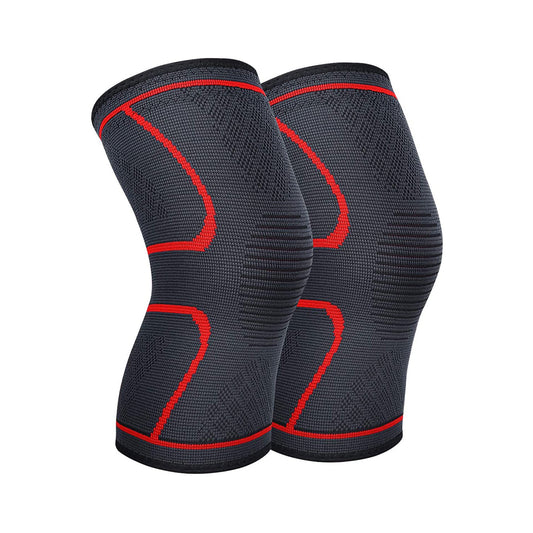
- Light knee sleeves are often chosen for mild warmth and a snug, comfortable feel.
- More structured braces may be preferred by riders who want stronger side support or who already have a specific knee concern.
For most cyclists, the best choice is the least restrictive option that still feels supportive. Too much bulk can make pedaling feel awkward, especially on longer rides.

Explore knee support options
A simple starting point if you want added support or warmth without overcomplicating your ride.
Good if you want a practical next step after learning when knee support is actually useful.
How to use knee pads without relying on them too much
If you wear knee support while cycling, use it as part of a broader approach to joint care:
- Start with shorter rides and see how your knees respond.
- Use support on rides where you expect more load, cold weather, or longer duration.
- Remove support if it feels too tight, slips, or changes your pedal stroke.
- Keep improving bike fit, cadence, and strength alongside any gear you use.
The goal is not to wear more equipment for its own sake. The goal is to ride more comfortably and consistently.
Helpful next step: browse cycling support options
If you are comparing different ways to support your knees while riding, a good next step is to review the full range of options in our knee support collection. That makes it easier to compare sleeves, braces, and other support styles based on your riding needs.
You may also want to read are knee pads necessary for outdoor climbing? if you want to compare how support gear is used across different outdoor activities.
For readers looking at broader outdoor protection, are knee pads useful for outdoor sports? is another helpful related article.
FAQs
Do cyclists need knee pads for every ride?
No. Many riders do fine without them. Knee pads or sleeves are more of an optional support tool than a requirement for everyday cycling.
Are knee sleeves better than braces for cycling?
It depends on your goal. Sleeves are usually lighter and less restrictive, while braces may offer more structure. The right choice depends on comfort, fit, and the level of support you want.
Can knee support help in cold weather?
Some riders like the extra warmth around the joint in cool conditions. That said, support gear should still feel comfortable and should not be used as a substitute for warming up properly.
What is the most important thing for protecting knees while riding?
Bike fit, sensible cadence, and gradual training load are usually more important than any single piece of gear. Support can help, but it works best alongside good riding habits.
Bottom line: you do not have to wear knee pads every time you ride, but they can be helpful if you want extra warmth, stability, or a bit more confidence on the bike. Start with the basics, then choose support only if it truly adds value to your ride.