How to Improve Your Posture and Reduce Everyday Back, Neck, and Shoulder Strain
If your neck feels tired after looking down at a phone, your shoulders tighten during computer work, or your lower back aches after sitting too long, posture may be part of the problem. Poor posture does not happen all at once. It usually builds over time through repeated habits like slouching at a desk, leaning forward during screen use, or staying in one position for hours.
The good news is that posture can often improve with small, consistent changes. Daily movement, a better workstation setup, regular stretch breaks, and supportive tools can all help reduce strain on your neck, shoulders, and back.
Why posture changes over time
Modern routines make it easy to drift into positions that place extra stress on the body. Common examples include:
- Leaning your head forward to look at a phone or laptop
- Rounding the shoulders while typing
- Sitting for long periods without standing up
- Letting the lower back collapse into the chair
- Carrying stress in the neck and upper back
These habits can contribute to muscle fatigue, stiffness, and a feeling that your body is no longer aligned comfortably. For many people, the first signs are subtle: sore shoulders at the end of the day, tension around the neck, or a back that feels weak after sitting.
Common signs your daily posture needs attention
You may benefit from adjusting your routine if you often notice:
- Back discomfort after desk work
- Shoulder soreness after computer or phone use
- Neck fatigue from looking down for long periods
- Hip tightness after sitting in the same position
- A rounded upper back or slouched standing posture
These issues do not always mean there is a serious condition, but they are worth paying attention to. Early correction is usually easier than waiting until poor habits become more stubborn and uncomfortable.
Simple ways to improve posture in daily life
You do not need a perfect routine to make progress. Start with a few practical habits you can repeat consistently:
1. Break up long sitting periods
Stand up every 30 to 60 minutes. Even one or two minutes of walking, stretching, or resetting your posture can reduce stiffness.
2. Raise screens closer to eye level
When your screen is too low, your head tends to move forward. Try adjusting your desk setup so you are not constantly looking down.
3. Keep both feet supported
Whether sitting or standing, a stable base helps your whole body stay in a more balanced position.
4. Add gentle movement every day
Walking, light mobility work, and regular exercise can help reduce the effects of prolonged sitting. If possible, take the stairs, walk short distances, or bike instead of driving.
5. Strengthen gradually
Posture is not just about “sitting up straight.” It also depends on how well your back, shoulder, and core muscles can support you over time.
Mistakes people make when trying to fix posture
Many people try to correct posture too aggressively, which can backfire. Watch out for these common mistakes:
- Forcing the chest up all day: This can create tension rather than natural alignment.
- Trying to stay rigid: Good posture is active and comfortable, not stiff.
- Ignoring movement breaks: Even a good seated position becomes stressful if you hold it too long.
- Expecting instant results: Posture usually improves through repetition, not overnight correction.
- Relying on one solution only: A support belt may help as a reminder, but it works best alongside better daily habits.
When a posture support belt may help
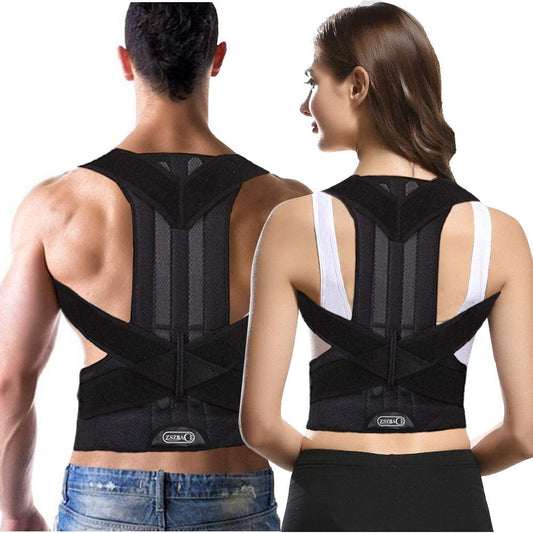
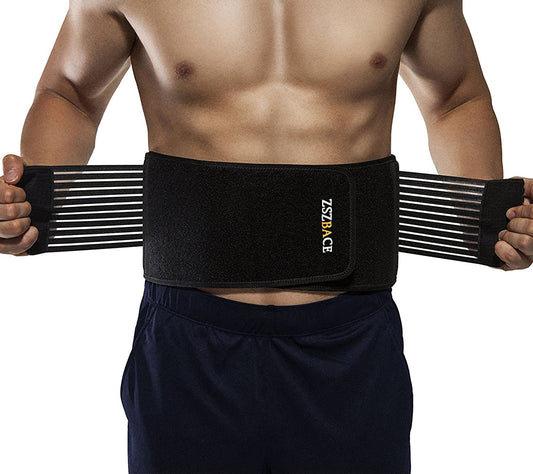
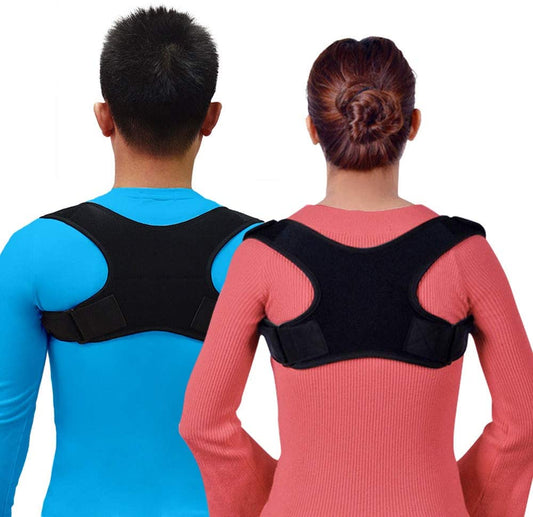
For some people, a posture support belt can be a useful tool during daily activities, especially when they want a gentle reminder to avoid slouching. It may be particularly helpful during desk work, light activity, or routines where posture tends to break down.
The key is to think of a support belt as an aid, not a complete solution. It should support your effort to build better habits, not replace movement, exercise, or ergonomic changes.

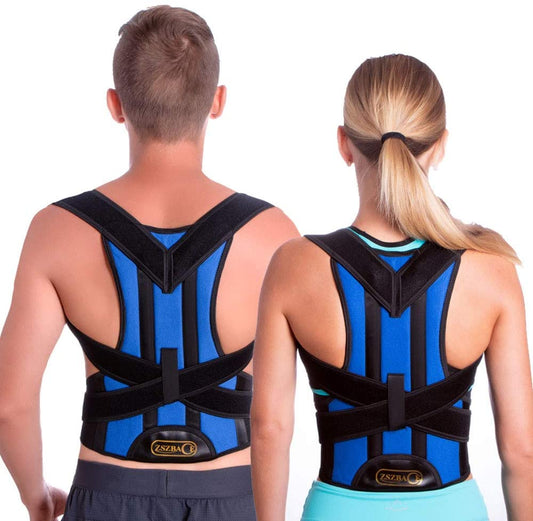
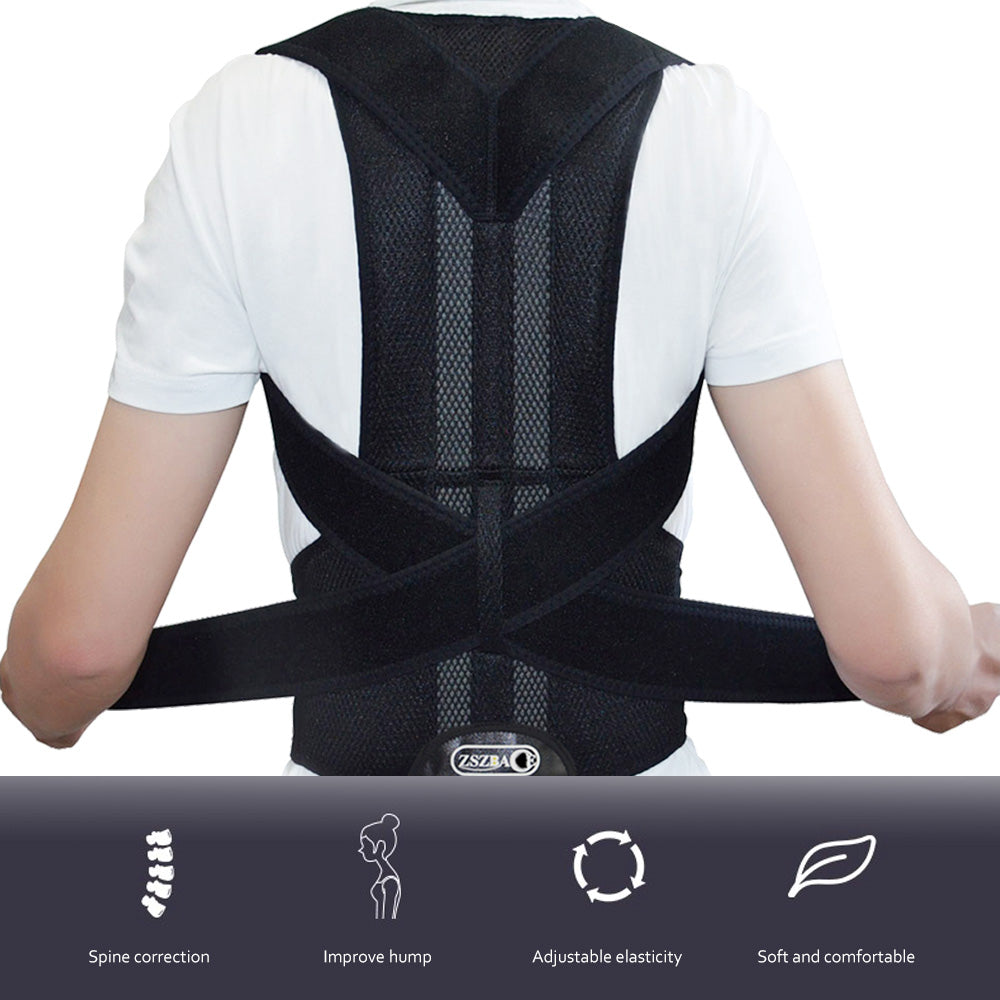
ZSZBACE Posture Correction Belts
A wearable posture support option designed for everyday use.
Reason to consider: if you want a simple reminder to reduce slouching during work or screen time.
If you want to explore a wearable support option, the ZSZBACE Posture Correction Belts may fit into your routine as a practical posture reminder. Based on the current page content, the product is described as breathable, supportive, and designed for easier front adjustment.
How to choose a posture support for daily wear
If you are considering a posture aid, look for practical features that match your routine:
- Easy adjustment: Simpler fastening can make daily use more realistic.
- Breathable material: Important if you plan to wear it while working or moving around.
- Comfort for regular use: If it is difficult to put on or feels restrictive, you are less likely to use it consistently.
- Appropriate expectations: The best support products help reinforce better habits rather than promising a dramatic transformation.
A sustainable posture routine matters more than perfection
You do not need to sit or stand perfectly every second of the day. What matters more is reducing the amount of time you spend in stressful positions and giving your body regular chances to reset.
A simple formula works well for many people: move more, sit less, improve your workspace, and use supportive tools when they genuinely help. Over time, these small changes can make your posture feel more natural and your body more comfortable during work and daily life.
FAQ
Can poor posture cause back, neck, and shoulder discomfort?
It can contribute to discomfort, especially when combined with long periods of sitting, repetitive screen use, and limited movement. Posture is often one of several factors involved.
How long does it take to improve posture?
That depends on your habits, activity level, and consistency. Many people notice small improvements when they combine regular movement, better desk setup, and posture awareness over time.
Should I wear a posture corrector all day?
A posture support is usually best used thoughtfully rather than as an all-day substitute for movement and muscle engagement. If you have ongoing pain or a medical concern, consult a qualified professional.
What is the best exercise for better posture?
There is no single best exercise for everyone. In general, a mix of walking, mobility work, upper back strengthening, and core exercises can be helpful. Choose movements you can do consistently and comfortably.