Easy-to-Wear Compression Stockings for Seniors: How to Choose, Put Them On, and Wear Them Comfortably
Compression stockings can be a useful everyday support item for older adults, especially when swelling, leg fatigue, or circulation concerns make daily movement less comfortable. The challenge is that many pairs are tight by design, which can make them difficult to put on and wear correctly.
If you are helping a parent, grandparent, or another senior choose compression wear, the goal is not just support. It is also comfort, ease of use, and the right fit for the person wearing them.
Why compression stockings can be helpful for seniors
Compression stockings are designed to apply gentle pressure to the legs and ankles. For many people, that can help support comfort during long periods of sitting or standing and may make daily wear feel more manageable. They are commonly considered by people dealing with swelling, leg heaviness, varicose veins, or recovery needs.
Because comfort matters, the best option is often the one that balances support with a fit the wearer can realistically put on and take off every day.
What makes them hard to wear
For seniors, the biggest challenges are usually:
- Limited hand strength or grip
- Reduced flexibility in the hips, knees, or ankles
- Sensitive skin that reacts to rough fabric or wrinkles
- Poorly sized stockings that feel too tight or slide down
- Difficulty bending down to adjust the foot and heel area
If the stockings are hard to manage, people often stop wearing them consistently. That is why ease of use is just as important as the support level.
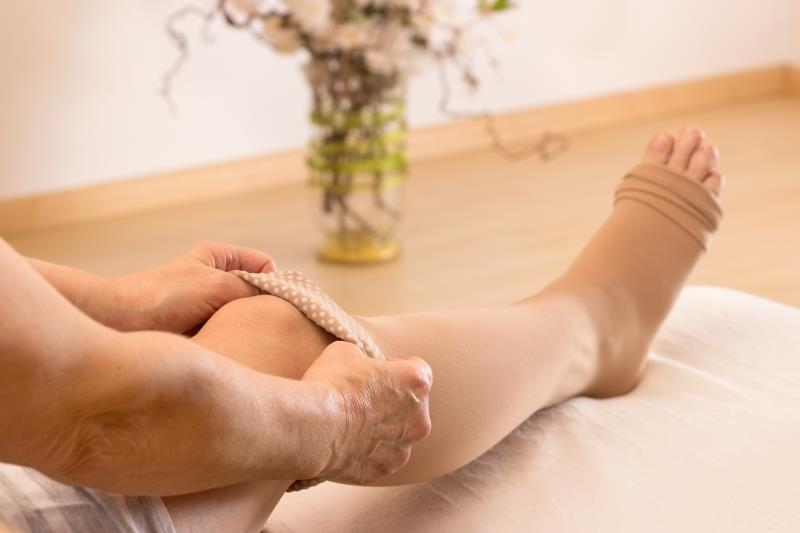
How to make compression stockings easier to put on
There are a few simple habits that can make the process easier:
- Put them on first thing in the morning, when swelling is usually lower.
- Sit on a stable chair and avoid rushing.
- Make sure the heel is positioned correctly before pulling the stocking up.
- Use smooth, even movements instead of tugging hard on the fabric.
- Check for folds or bunching, especially around the ankle.
Some people also use donning aids or a thin plastic bag technique to help the fabric slide more easily. If you try either method, be gentle and make sure the stocking ends up smooth and correctly placed on the leg.
Choosing a more senior-friendly option
When comparing options, look for features that make daily wear easier, such as:
- A softer stretch that is easier to pull on
- A style that is simple to put on and remove
- The right length for the wearer’s needs
- A size that matches the leg measurements closely
- Comfortable fabric that does not irritate the skin
If the main concern is general leg support and everyday comfort, it is worth starting with products designed for easier wear rather than assuming tighter is always better.

Compression Socks
A practical option to consider if you want everyday leg support with a simple, familiar sock style.
Why it may help: A straightforward choice for readers looking for support they can wear regularly.
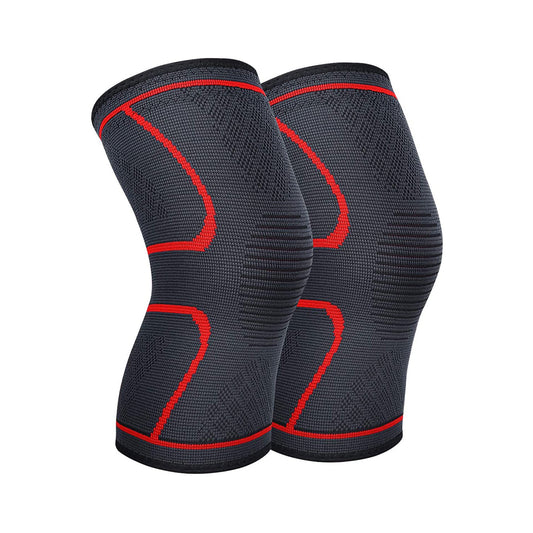
Compression Sleeves
Helpful for readers who want leg support in a less full-foot style.
Why it may help: A useful alternative when ease of wear is the top priority.
Common mistakes to avoid
Even a good pair can feel uncomfortable if it is worn the wrong way. Watch out for these issues:
- Choosing the wrong size
- Letting the fabric wrinkle around the ankle or calf
- Wearing them with irritated or very dry skin without checking comfort first
- Using a level of compression that feels unmanageable without guidance
- Ignoring marks, numbness, or discomfort after putting them on
If the stockings leave deep dents, cause pain, or feel unusually tight, stop using them and seek advice from a healthcare professional or fit specialist.
When to get extra help
Compression wear should feel supportive, not overwhelming. It is a good idea to ask for help if the wearer has:
- Severe swelling
- Skin sensitivity or wounds
- Difficulty reaching their feet
- Ongoing pain or numbness
- Questions about size or compression level
For many families, the best solution is not just a different product. It is better sizing, a better style, and a clearer routine for putting it on.
Next step: explore supportive options
If you are comparing comfort-focused leg support items, browse our compression socks collection to find more options that may suit different needs and wear preferences.
You may also find it helpful to read our guide on how to choose compression socks and our article on when to wear compression socks for more practical buying and wear advice.
FAQ
Are compression stockings hard for seniors to put on?
They can be, especially if the wearer has limited hand strength, flexibility, or balance. Choosing the right size and a style that is easier to handle can make a big difference.
Should compression stockings feel very tight?
They should feel snug and supportive, but they should not cause pain, numbness, or deep marks on the skin. If they do, the fit or compression level may need to be reviewed.
What is the easiest time of day to put them on?
Many people find it easier to put compression stockings on in the morning before swelling increases.
Can older adults wear compression stockings every day?
Many do, but daily use should match the wearer’s comfort, fit, and any advice they have received from a healthcare professional.