High Heels and Foot Pain: How to Give Your Feet a Break
High heels can change the way your feet carry weight, which may lead to sore toes, pressure on the ball of the foot, tight calves, and tired ankles after long wear. If you love heels but want to be kinder to your feet, the goal is not to give them up entirely—it is to understand the strain they create and build better habits around them.
This guide explains the most common discomfort points, when to be cautious, and what you can do at home to ease the load on your feet.
Why high heels can feel uncomfortable
When your heel is lifted, more of your body weight shifts toward the front of the foot. That can place extra pressure on the toes and forefoot, especially if the shoe is narrow or has a pointed toe box. Over time, this may contribute to soreness, rubbing, and irritation.
High heels can also affect how you stand and walk. The ankles, knees, hips, and lower back may work harder to keep balance, which is why some people notice pain beyond the feet after a long day in heels.
Common signs your feet need a break
- Toe pain or pressure at the front of the shoe
- Rubbing, redness, or hotspots on the toes
- Tight calves after wearing heels for several hours
- Sore arches or aching in the ball of the foot
- Feeling unsteady on uneven ground
If you already have a bunion, hammertoe, or similar toe alignment issue, the pressure from heels may feel even more noticeable. In that case, gentle support and better footwear choices can make a real difference in daily comfort.
Simple ways to reduce heel-related foot strain
These practical habits can help your feet recover after wearing high heels:
- Take breaks. Sit down when you can and remove your shoes for short periods.
- Choose roomier shoes. A wider toe box gives your toes more space to move.
- Use padded inserts. Cushioning can help distribute pressure more evenly.
- Limit wear time. Save high heels for shorter events instead of all-day wear.
- Stretch your calves and feet. Gentle stretching may help ease tightness after wearing heels.
For people looking for additional day-to-day support, a foot-comfort accessory such as a bunion correctors collection can be a helpful place to compare options designed to reduce pressure around the toes and forefoot.
When a support sleeve or splint may help
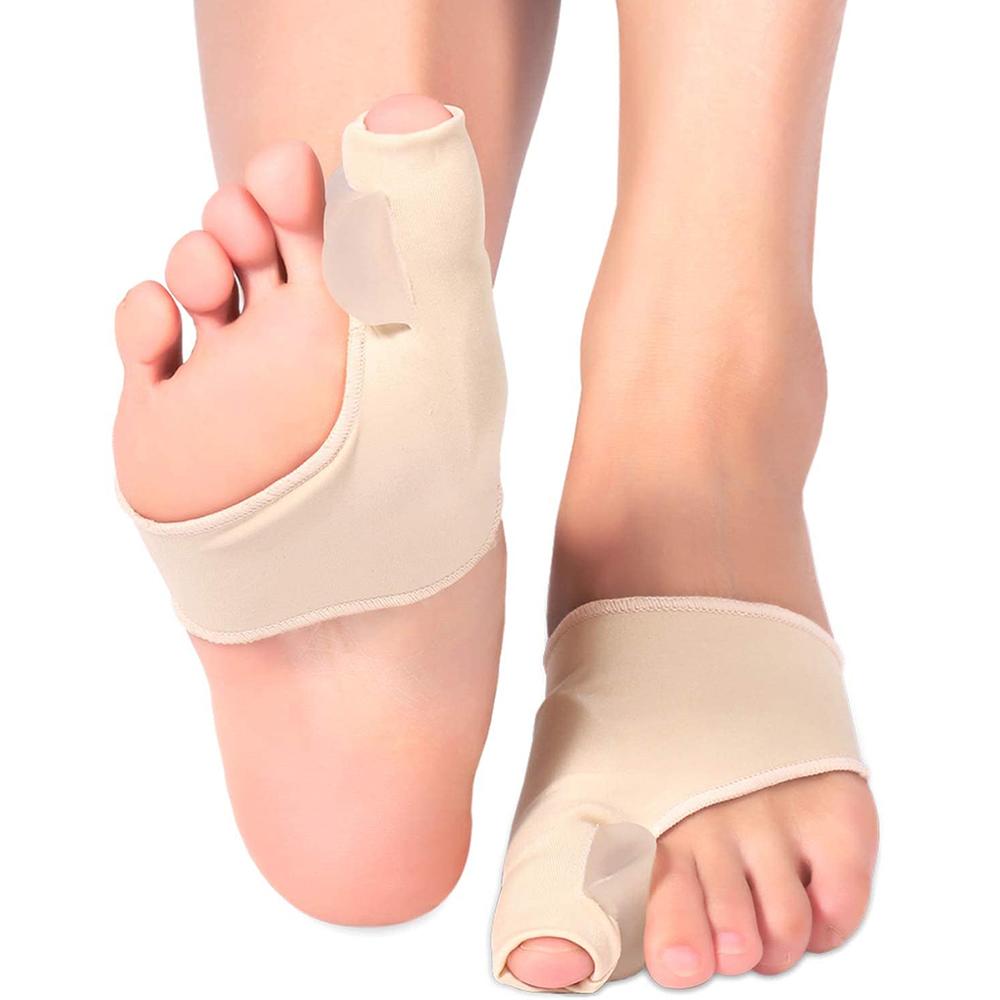
If you notice ongoing pressure around the big toe joint or discomfort from toe crowding, a soft support sleeve may help you feel more comfortable during rest or recovery time. A night splint or similar support can also be useful for people who want a more structured option for overnight wear.

Bunion Relief Sleeves
A simple support option for people who want a softer, everyday way to help reduce pressure around the bunion area.
Why it may help: Useful as a comfortable, low-profile option for people dealing with toe crowding or bunion-related irritation.
Hallux Valgus Brace
A structured support option for readers who want a more guided fit for nighttime or rest-time use.
Why it may help: Helpful to consider when you want firmer support as part of a broader foot-care routine.
If you want to explore more options for toe and foot support, visit the Bunion Correctors collection after reading through the care tips below.
What to avoid
A few small mistakes can make heel-related discomfort worse:
- Wearing heels that pinch the toes
- Choosing styles that are too narrow for your foot shape
- Ignoring early signs of rubbing or swelling
- Staying in heels for long periods without a break
- Using shoes with thin heels on uneven surfaces
Related reading
If you are comparing foot-support options, these guides may also be helpful:
- How to choose the right bunion support
- When to wear a night splint for feet
- How to find comfortable shoes for sensitive feet
FAQ
Can high heels cause toe pain?
Yes. High heels can push more pressure toward the front of the foot, which may lead to toe discomfort, rubbing, or crowding—especially in narrow shoes.
What shoes are better after wearing heels all day?
Roomier shoes with a wider toe box and lower heel height are usually more comfortable after a long day in heels.
Can I wear high heels if I already have a bunion?
Some people do, but narrow or pointed heels may increase pressure on the bunion area. Choosing a more spacious shoe and limiting wear time may help reduce discomfort.
What can I do at home for sore feet after heels?
Rest, gentle stretching, cushioned inserts, and supportive footwear are simple ways to help your feet recover after wearing heels.
High heels do not have to be off-limits, but your feet will usually feel better when you balance style with smart support, shorter wear times, and shoes that give your toes room to move.