
Shoulder Pain During Exercise or Daily Life: What Helps and When to Slow Down
Shoulder pain can start suddenly after a workout, or it can build gradually from repetitive movement, poor posture, sleeping position, or everyday lifting. In many cases, the goal is not to stop moving forever. It is to reduce irritation, support the joint, and return to activity more carefully.
The shoulder is one of the most mobile joints in the body, which is also why it can feel unstable or easily aggravated. If you have mild soreness, stiffness, or discomfort with movement, adjusting your routine early may help prevent a small issue from becoming a bigger one.
Common reasons your shoulder may hurt
Shoulder pain is a symptom, not a diagnosis. A few common situations include:
- Overuse: repeated lifting, throwing, pressing, or reaching overhead
- Exercise strain: doing too much too soon, poor form, or not allowing enough recovery time
- Posture-related tension: rounded shoulders and upper-back tightness can change how the shoulder moves
- Inflammation or irritation: tendons and surrounding tissues can become sore from repeated stress
- Joint stiffness: pain may be worse after inactivity, sleep, or long hours at a desk
If your discomfort also extends into the upper back or is affected by posture, it may help to look at your overall alignment and daily habits, not just the shoulder itself.
What often makes shoulder pain worse
People often try to “push through” shoulder pain, especially during sports or strength training. That can backfire when the area is already irritated. Common mistakes include:
- Continuing painful overhead lifts without reducing load
- Ignoring warm-ups and jumping straight into hard sets
- Sleeping on the painful side every night
- Working long hours with rounded shoulders and little movement
- Using a brace as a substitute for rest, technique changes, or professional care when symptoms are severe
A simple rule: if a movement sharply increases pain, makes the shoulder feel weak, or causes compensation in your neck or upper back, scale it down.
What may help mild shoulder discomfort
For minor soreness or strain, many people do better with a combination of activity modification and support rather than complete inactivity. Depending on the situation, helpful steps may include:
- Temporarily reducing aggravating movements
- Using lighter resistance and controlled range of motion
- Taking movement breaks if you sit for long periods
- Paying attention to posture during work and training
- Using compression or light support if it helps you feel more stable during daily activity
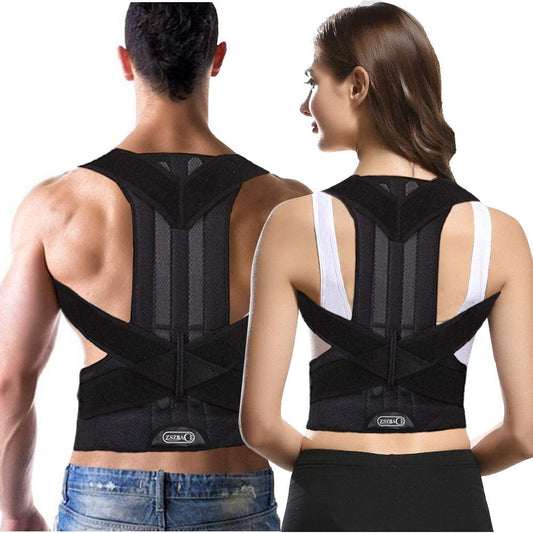
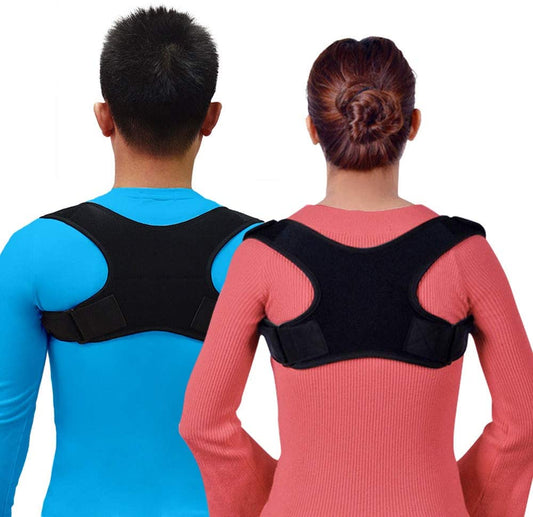
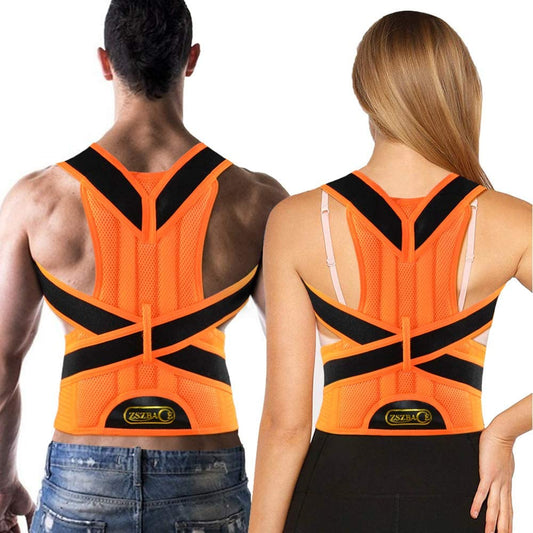
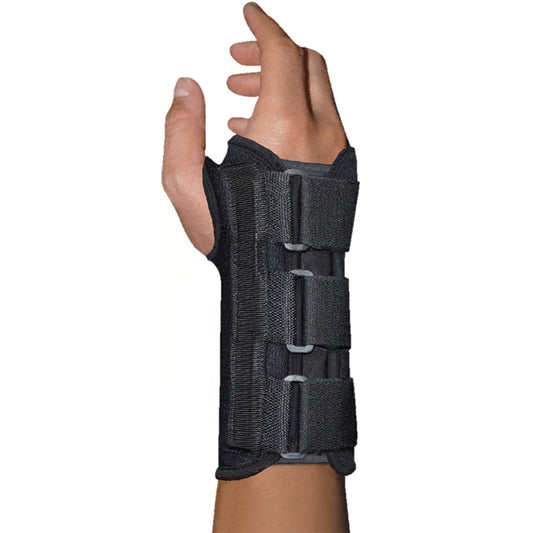
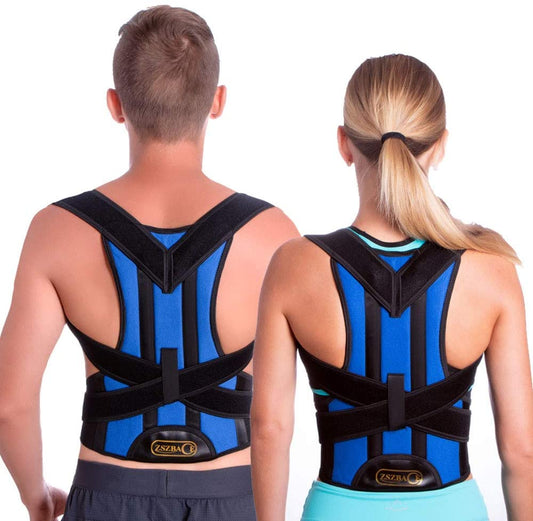
A shoulder brace may be useful when you want a reminder to move more carefully or when mild compression and support make activity feel more manageable. It is not a cure, but some people find it helpful during recovery periods, sports, or daily routines.

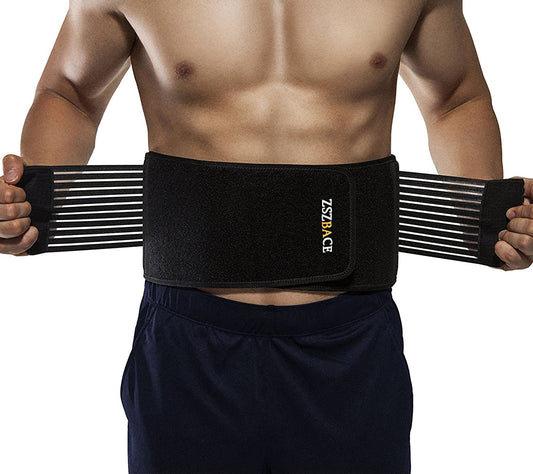
Shoulder Brace
Adjustable shoulder support designed for everyday wear, recovery periods, and activity.
Why it may help: A shoulder brace can provide light compression and a more supported feel if your shoulder is sore, stiff, or irritated by movement.
When a shoulder brace makes the most sense
A support brace is usually most relevant when your symptoms are mild to moderate and you are trying to stay comfortable during normal movement. It may be a reasonable option if you want:
- A more secure feeling during walking, errands, or light activity
- Extra support while easing back into exercise
- A reminder not to move aggressively during a flare-up
- Light compression around a sore shoulder
Fit and comfort matter. Look for a brace that feels secure without being overly restrictive, and stop using it if it increases discomfort, tingling, or skin irritation.
When shoulder pain should be checked by a professional
Seek medical attention if you have:
- Severe pain after a fall, collision, or sudden injury
- Visible deformity, major swelling, or bruising
- Numbness, tingling, or pain traveling down the arm
- Marked weakness or trouble lifting the arm
- Pain that does not improve or keeps returning
- Fever, redness, or other signs of infection
If your pain is persistent, getting the cause checked is more useful than guessing. Bracing and home care can be supportive, but they are not a replacement for diagnosis when symptoms are serious.
How to return to activity more safely
Once pain starts to settle, ease back in gradually. Start with movements that do not sharply aggravate the shoulder, reduce training volume for a while, and pay attention to posture and recovery. If your work setup or gym technique may be contributing, fixing those habits can matter as much as anything else.
The goal is not to do nothing. The goal is to move in a way your shoulder tolerates while giving irritated tissue time to calm down.
Frequently asked questions
Should I stop exercising if my shoulder hurts?
Not always. Mild soreness may improve with reduced intensity, better form, and avoiding painful movements for a period of time. Sharp pain, weakness, or pain after injury should be taken more seriously.
Can a shoulder brace fix shoulder pain?
No. A brace does not fix the underlying cause, but it may help some people feel more supported during daily activity or a temporary recovery phase.
Is it okay to wear a shoulder brace all day?
Some people wear one for extended periods if it feels comfortable, but it should not cause numbness, skin irritation, or excessive restriction. If symptoms worsen, stop and reassess.
Why does my shoulder hurt more at night?
Night pain can be related to sleeping position, inflammation, or joint irritation. Avoid sleeping directly on the painful side if that seems to trigger symptoms.