
How a Maternity Support Belt Can Help Reduce Pregnancy Pain
Pregnancy pain is common, especially in the pelvis, hips, abdomen, and lower back. For many people, a maternity support belt can be a practical way to add light support and make everyday movement feel more manageable.
These belts do not “fix” the cause of pregnancy pain, but they may help by supporting the belly, easing pressure on the lower back, and improving stability during standing, walking, and other routine activities. They’re often considered alongside other comfort strategies such as rest, posture changes, and guidance from a healthcare professional.
Common types of pregnancy pain a support belt may help with
Two of the most common pregnancy discomforts are pelvic girdle pain and low back pain.
Pelvic girdle pain
Pelvic girdle pain is discomfort around the front or back of the pelvis, including the area near the sacroiliac joints. It can feel sharper when walking, climbing stairs, turning in bed, or standing on one leg. As pregnancy progresses, changes in posture and joint mobility can make this area feel less stable.
Low back pain
Low back pain often appears later in pregnancy as the growing belly changes posture and shifts more load to the lower back. It may feel like aching, tightness, or fatigue after standing or sitting for long periods. For some people, support around the abdomen and lower back can make movement feel easier.
How a maternity support belt may help
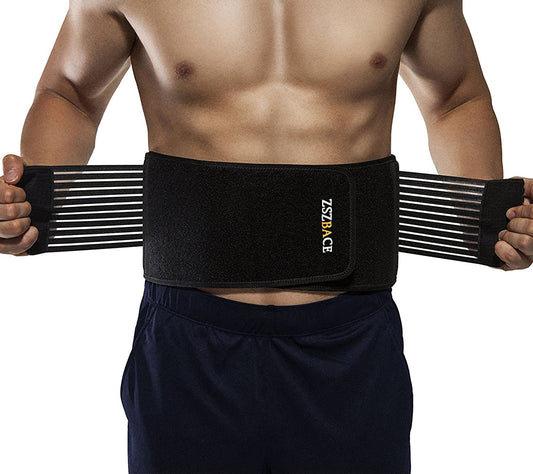
A maternity support belt is designed to wrap around the lower abdomen and pelvic area to provide gentle compression and support. Depending on the style, it may help:
- Support the belly and reduce the feeling of downward pull
- Improve awareness of posture and body position
- Reduce strain on the lower back during daily movement
- Provide a more stable feeling in the pelvis and hips
- Make walking, standing, and light activity more comfortable
The best results usually come from using the belt as part of a broader comfort routine, not as a stand-alone solution.
When a support belt can be most useful
A maternity belt may be especially helpful during activities that increase discomfort, such as:
- Standing for long periods
- Walking or doing errands
- Housework or light chores
- Working shifts that involve time on your feet
- Travel or days when the abdomen and lower back feel more strained
Some people prefer to wear support only during active parts of the day, rather than all day long.
What to look for when choosing one
If you’re comparing options, focus on comfort first. A helpful maternity belt should fit securely without digging in or slipping out of place. Look for:
- Adjustable support so you can change the fit as pregnancy progresses
- Breathable material for everyday wear
- A shape that supports the lower belly and back comfortably
- Simple fastenings that are easy to adjust
If you want to compare supportive styles, browse our maternity support belts collection for options designed for pregnancy comfort.

Maternity support belts
Browse supportive styles that may help reduce the feeling of pressure on the abdomen, pelvis, and lower back.
See the collection
Reason: A support belt is the main product type discussed in this guide, making this a natural next step after learning how the support works.
Helpful habits to combine with a belt
A support belt works best when paired with good daily habits. Try these if your healthcare professional says they’re appropriate for you:
- Change positions often instead of staying in one posture too long
- Keep movements slow and controlled when getting up or turning
- Use supportive shoes
- Take breaks during long periods of standing or walking
- Ask about physical therapy or pregnancy-safe exercises if pain keeps returning
You may also find it helpful to read our guide on pregnancy posture tips for more ways to reduce strain during the day.
When to talk to a healthcare professional
Support belts may help with everyday discomfort, but they are not a replacement for medical care. Speak with a healthcare professional if pain is severe, sudden, getting worse, or affecting your ability to move normally. It is also important to check in if you have pain with swelling, bleeding, fever, contractions, or any symptom that feels unusual for you.
Used well, a maternity support belt can be a simple and practical tool for improving comfort during pregnancy. If your pain is related to movement, posture, or pressure in the pelvis or lower back, it may be worth exploring supportive options that fit your routine.
FAQ
Can a maternity support belt help with abdominal pressure?
It may help some people feel more supported around the lower abdomen by redistributing pressure and reducing the feeling of heaviness during standing or walking.
Should I wear a maternity support belt all day?
Not always. Many people use it only during activities that trigger discomfort, such as walking, standing, or doing chores. Follow the fit and use guidance provided with the product and ask a healthcare professional if you are unsure.
Will a support belt replace exercise or physical therapy?
No. A support belt may be one helpful tool, but it is usually best used alongside other strategies such as posture changes, gentle movement, and professional advice when needed.
How do I know if I need one?
If you notice recurring lower back, pelvic, or abdominal pressure during daily tasks, a maternity support belt may be worth considering. Choosing the right style depends on where you feel discomfort and how much support you want.