
How Long Should You Wear a Posture Corrector?
If you're wondering how long you should wear a posture corrector, the short answer is: start with short sessions and increase gradually. For many people, that means beginning with 10 to 20 minutes a day, then working up to 30 to 60 minutes if the brace feels comfortable and your skin tolerates it well.
A posture corrector is best used as a training tool, not something you depend on all day. Its job is to remind you to sit and stand taller while you build better movement habits, strengthen your upper back, and notice when you're slouching.
If you're comparing options, you can browse posture corrector and back support braces here once you know what kind of support and fit you want.
How long should you wear a posture corrector per day?
There is no perfect number that fits everyone, but a gradual approach is usually the most practical:
- Days 1-3: 10 to 20 minutes a day
- After that: increase slowly if it feels comfortable
- Common daily range: 30 to 60 minutes
The most important thing is comfort and consistency. If the brace rubs, pinches, or leaves you sore in a bad way, shorten the session or adjust the fit. A posture corrector should feel supportive, not restrictive.
Some people like to wear one during desk work, computer time, reading, or other moments when they usually round their shoulders forward. Those are often better times to use it than wearing it for long stretches without a purpose.
Should you wear a posture corrector all day?
In most cases, wearing a posture corrector all day is not the goal. A brace can be helpful for posture awareness, but relying on it too much may make you pay less attention to your own positioning and movement habits.
Think of it this way: the brace can cue better alignment, but you still want your body to do the work of holding that alignment. That's why shorter, intentional sessions are usually more useful than nonstop wear.
If you want more general advice on brace use, this guide on tips for wearing a back brace can help you avoid common comfort and fit issues.
How long does it take to correct posture?
This depends on your habits, activity level, muscle strength, and how often you practice better alignment without the brace. Some people notice improved awareness quickly, while lasting posture changes usually take longer.
In practical terms, posture improvement often comes from a combination of:
- using a posture corrector for short, consistent sessions
- adjusting your desk, screen, and chair setup
- taking movement breaks
- strengthening the upper back and core
- paying attention to how you sit, stand, and walk
So if you're searching for a dramatic posture corrector before-and-after timeline, it's better to think in terms of steady habit change rather than overnight transformation.
What a posture corrector can and cannot do
A posture corrector can help remind you not to slump. It may also feel supportive during parts of the day when poor posture usually shows up most, like long hours at a desk or extended screen time.
What it cannot do is instantly fix years of slouching on its own. Better posture usually improves when you combine the brace with movement, stretching, and strengthening habits.
If you're still deciding whether one makes sense for you, read the pros and cons of posture correctors for a balanced overview.
Signs you're wearing it too long or using it wrong
Cut back, readjust, or stop using the brace and seek professional advice if you notice:
- numbness or tingling
- skin irritation that keeps getting worse
- pain that increases instead of easing
- trouble breathing comfortably
- the brace feels so tight that it forces an unnatural position
A good fit matters. The brace should be snug enough to give you a posture reminder, but not so tight that it causes discomfort or limits normal breathing and movement.
A simple way to build posture habits
If you want to get the most from a posture corrector, use it as part of a routine:
- Put it on for a short session during a time you usually slouch.
- Sit or stand tall without over-arching your lower back.
- Take it off and try to keep the same posture awareness.
- Add light stretches and upper-back exercises during the week.
This approach helps the brace become a reminder instead of a crutch.

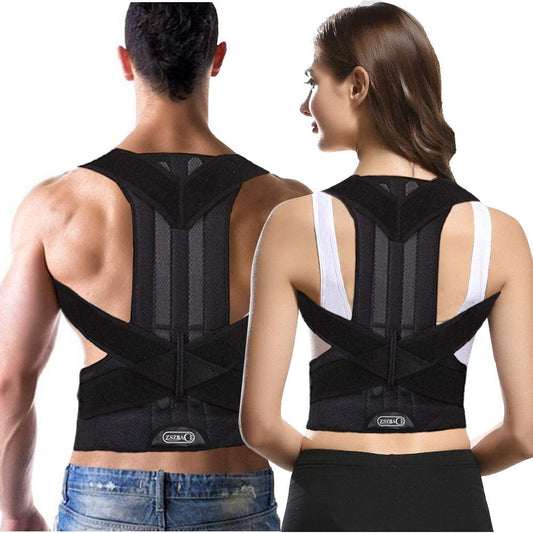
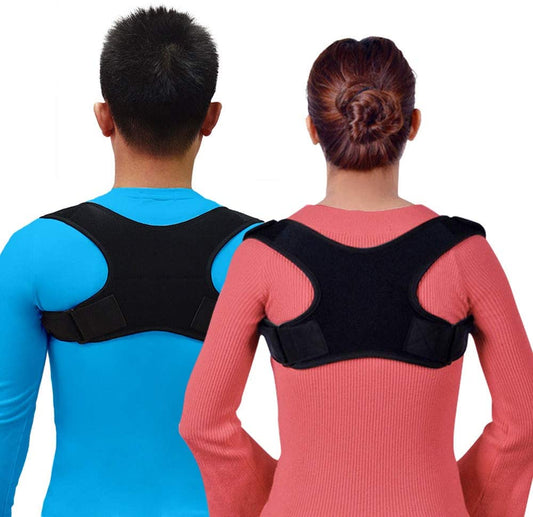
Adjustable Posture Corrector
Adjustable upper-back brace for posture support and back pain relief.
Why it fits this topic: a practical option for people who want a wearable posture reminder during short daily sessions.
How to choose the right posture corrector for daily wear
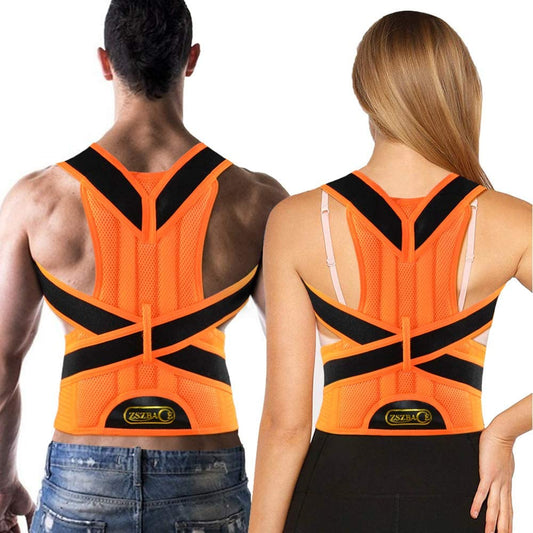
When choosing a brace, look for comfort, adjustability, and a design you can realistically wear during your normal routine. If a brace is too bulky, too stiff, or difficult to adjust, you're less likely to use it consistently.
Helpful features may include:
- adjustable straps
- comfortable upper-back support
- a breathable feel for daily use
- a fit that works for desk time or wear under clothing
For a broader set of options, explore this upright posture corrector collection if you want to compare different support styles.

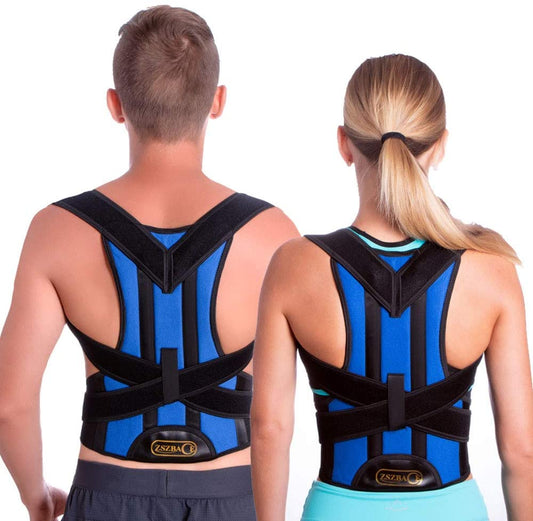
Adjustable Posture Brace
A slim, adjustable posture brace designed to support upright shoulders and upper-back alignment.
Why it fits this topic: a lower-profile option for people who want short posture-training sessions during work or daily wear.
When to talk to a professional
If you have severe pain, a recent injury, numbness, or a diagnosed spinal condition, it's smart to ask a medical professional what type of support is appropriate and how long to wear it. A posture corrector used for general slouching habits is different from a brace recommended for a specific injury or condition.
You may also find this related article useful if you're comparing brace wear time for other kinds of support: how many hours to wear a lumbar back brace a day.
Bottom line
For most people, the best answer to how long should I wear my posture corrector is: start small, stay consistent, and don't rely on it all day. Short daily sessions can help you build awareness and better posture habits, especially when combined with movement and strengthening exercises.
If you're ready to compare support styles, the best next step is to browse the posture corrector back support brace collection and choose a design that feels adjustable, comfortable, and realistic for your routine.
FAQ
How long should I wear my posture corrector the first time?
Start with about 10 to 20 minutes. If it feels comfortable and doesn't irritate your skin, you can slowly increase your wear time over the next several days.
How long should you wear a posture corrector per day?
Many people do well with 30 to 60 minutes a day, especially during activities where they usually slouch. The exact amount depends on comfort, fit, and how your body responds.
Can I wear a posture corrector all day?
It's usually better to use it for short, purposeful sessions rather than all day. A posture corrector works best as a reminder tool, not something you depend on constantly.
How long does it take to see posture improvement?
Some people notice better posture awareness fairly quickly, but lasting improvement usually takes longer and depends on your daily habits, workstation setup, and whether you also strengthen the muscles that support good posture.
What if a posture corrector feels uncomfortable?
If it pinches, rubs, makes breathing uncomfortable, or causes numbness or worsening pain, loosen it, shorten your wear time, or stop using it. Persistent symptoms should be checked by a qualified professional.