
How Long Should You Wear a Back Brace for a Compression Fracture?
If your doctor has recommended a back brace for a compression fracture, one of the first questions is usually simple: how long do I need to wear it?
The short answer is that many people wear a brace for several weeks to a few months. In many cases, the timeline falls around 6 to 12 weeks, but the exact duration depends on the location and severity of the fracture, your pain level, your age, bone health, and how your recovery is progressing. Your doctor’s instructions should always come first.
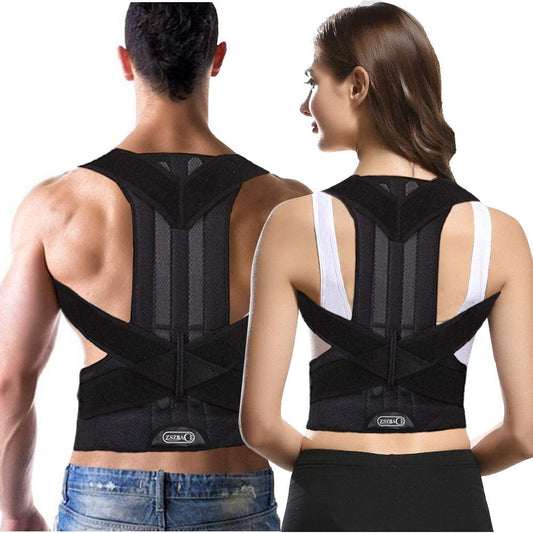
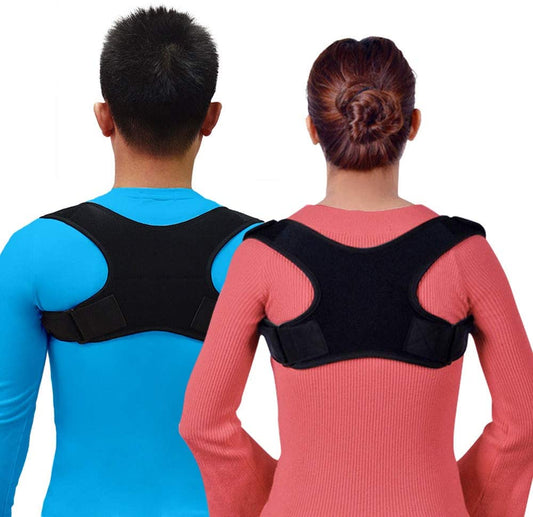
A brace does not “heal” the bone by itself. Its job is to help limit painful motion, support the spine, and make daily movement more manageable while the fracture recovers. If you are looking for supportive options, you can browse this vertebral fracture back brace support collection as a practical next step after talking with your clinician.
Typical brace timeline for a compression fracture
There is no universal schedule, but a doctor may recommend wearing a brace during the early healing phase when pain is strongest and movement needs more control. Some people are told to wear it mainly when standing, walking, or riding in a car. Others may be told to wear it for most of the day for a period of time.
In general, the timeline may look like this:
- Early phase: more consistent wear for support during upright activity
- Middle phase: continued use while pain with movement is still noticeable
- Later phase: gradual reduction as directed by your doctor, often along with gentle rehabilitation or posture work
The important point is this: do not stop wearing the brace early just because pain improves a little, and do not continue using it longer than advised without checking in. Both underuse and overuse can create problems.
What affects how long you should wear it?
Your doctor may base the timeline on several factors:
- Severity of the fracture: a more painful or unstable fracture may need longer support
- Location in the spine: upper, mid, and lower spinal areas may be managed differently
- Your symptoms: pain during standing, walking, bending, or getting out of bed matters
- Cause of the fracture: injury-related fractures and osteoporosis-related fractures can recover differently
- Bone health and age: weaker bones may need a more cautious plan
- Daily activity level: people who move more during the day may need clearer wear guidance
If your fracture is related to bone loss, you may also find it helpful to read how a back brace can help patients with osteoporosis.
How many hours a day is a back brace worn?
This varies widely. Some people are instructed to wear the brace only during the day, especially during activity. Others may be told to keep it on for much longer stretches. In some cases, a physician may recommend near full-time use for a limited period, but that depends on the injury and brace type.
The safest rule is to follow the specific wearing schedule you were given. If you were not given one, ask these questions:
- Should I wear it while sleeping?
- Can I remove it for showering?
- Do I need it only when walking and standing?
- When do I start reducing wear time?
For more general guidance on daily wear schedules, see how many hours do I need to wear the lumbar back brace a day?
Signs your brace may be helping
A properly selected brace may help by:
- Reducing painful motion
- Making it easier to stand or walk for short periods
- Supporting a more upright posture
- Helping you feel more secure during routine movement
That said, the brace should not cause major skin problems, numbness, or sharp pressure. If it does, it may need adjustment.

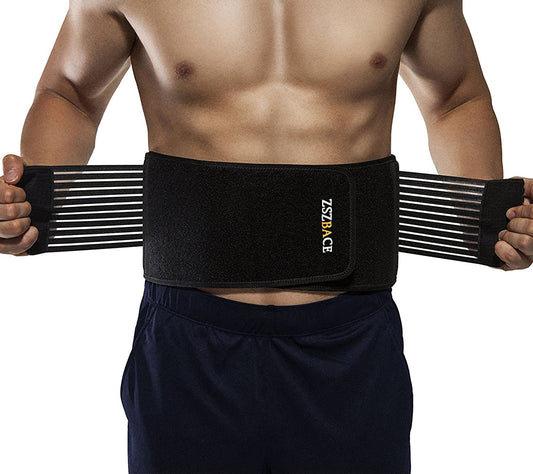
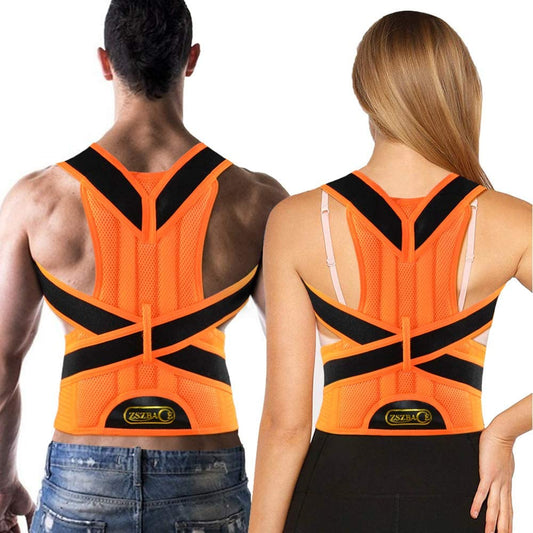
Adjustable lower back support with breathable mesh and wrap-style compression.
Why it may be relevant: useful for readers who want a supportive, adjustable back brace option to discuss with their clinician during recovery.
Common mistakes to avoid
Even a good brace can be less helpful if it is used the wrong way. Common mistakes include:
- Wearing it too loosely: the brace may shift and provide inconsistent support
- Wearing it too tightly: this can create pressure spots, discomfort, or restricted breathing
- Ignoring skin irritation: red marks that do not fade should be addressed
- Using it as a substitute for medical follow-up: a brace supports recovery, but it is not the whole treatment plan
- Returning to bending, lifting, or twisting too soon: the brace does not make those activities risk-free
If you want more practical wear tips, read Tips For Wearing A Back Brace.
How to wear a back brace more comfortably
Comfort matters because you may need to use the brace consistently. These simple habits can help:
- Wear a clean, soft layer under the brace if your doctor allows it
- Check your skin every day, especially where the brace presses the most
- Keep the skin dry and clean
- Ask for help putting it on if pain makes twisting difficult
- Follow instructions on when it can be removed for bathing or brief breaks
Do not make your own adjustments if the brace was professionally fitted unless your clinician says it is okay.
When to call your doctor
Contact your healthcare provider if:
- Your pain suddenly gets worse
- You develop new numbness, tingling, or weakness
- You have trouble walking that is getting worse
- The brace causes skin breakdown or severe pressure marks
- You are unsure whether to keep wearing it or begin weaning off
If you are exploring non-surgical recovery options more broadly, this article on nonsurgical treatment for spine compression fractures may help.
Choosing a supportive brace option
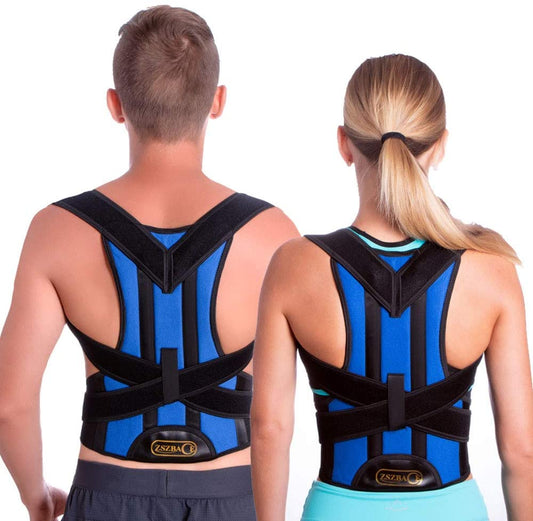
If you are shopping for a brace after getting medical guidance, look for features such as adjustability, stable wraparound support, and a design you can realistically wear during the day. Not every brace is appropriate for every fracture, so think of product selection as a comfort-and-support decision within your doctor’s plan, not a replacement for it.

Adjustable lumbar support brace with a low-profile fit for everyday lower back support.
Why it may be relevant: a practical option for readers comparing adjustable lower-back support styles for daily wear comfort.
A practical next step
If you are comparing support options for this condition, start with the back brace for fractured vertebrae collection. It can help you review brace styles that fit this topic before narrowing down what to discuss with your healthcare provider.
Bottom line
Most people wear a back brace for a compression fracture for weeks, not just days, and often for several weeks to a few months. The exact timeline depends on the fracture and your doctor’s treatment plan. The goal is to support healing, reduce painful movement, and help you move more safely during recovery.
If you are unsure whether your brace schedule is too short, too long, or no longer appropriate, the best next move is to ask the clinician managing your fracture.