
How Tight Should a Maternity Belt Be?
A maternity belt should feel snug and supportive, not tight, painful, or restrictive. If it helps lift the belly a little, eases some pressure on your lower back or pelvis, and stays in place without digging in, that is usually a good fit. If it leaves you sore, makes sitting uncomfortable, causes rubbing, or feels harder to breathe normally, it is too tight.
Because pregnancy changes quickly, the “right” fit can also change from week to week. A belt that felt fine last month may need to be loosened, repositioned, or replaced with a different size now. If you are still deciding whether a belt or band is the right type of support, see our guide on the difference between a maternity belt and a belly band.
What the right fit should feel like
The goal of a maternity belt is support, not compression. In most cases, the belt should:
- Feel secure around the lower bump and hips
- Give gentle lift to the belly
- Reduce some strain on the lower back or pelvis during walking or standing
- Stay in place without constant slipping
- Allow you to breathe, sit, and move normally
A good rule of thumb: once the belt is on, you should notice relief, not more discomfort. If you feel like you cannot wait to take it off, the fit, position, or style is probably wrong.
Signs your maternity belt is too tight
If you are wondering how tight a maternity belt should be, these are the clearest signs it has been fastened too tightly or is not fitting correctly:
- Pain, pinching, or pressure where the belt closes
- Red marks that last a long time after removal
- Itching, rubbing, or skin irritation
- A feeling of squeezing rather than support
- More discomfort when sitting, bending, or walking
- The belt rolls up, digs in, or shifts badly during wear
- You feel relief immediately after loosening or removing it
If any of these happen, loosen the belt first. If that does not help, try repositioning it lower under the belly or consider a different size or design.
Where a maternity support belt should sit
Many fit problems happen because the belt is placed too high. A maternity support belt is usually most comfortable when the main support panel sits under the belly, with support wrapping around the lower abdomen, hips, and lower back. That position helps redistribute some of the bump’s weight instead of pressing straight into the stomach area.
If you need a step-by-step walkthrough, read how to wear a pregnancy belt. Correct placement often solves the feeling that a belly band is “too tight” when the issue is really fit or positioning.

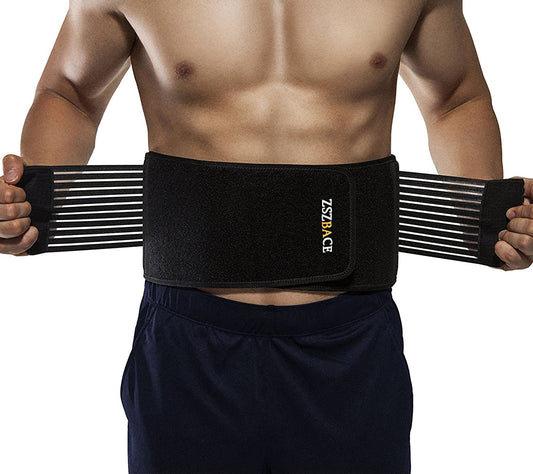
Maternity Support Belt
Breathable adjustable belly band for pregnancy back and abdominal support.
Why it may help: A wraparound adjustable design can make it easier to fine-tune the fit as your bump grows and your comfort needs change.
How snug is snug enough?
A maternity belt should be tight enough to provide gentle support, but loose enough that you can go about normal daily activity comfortably. It should not feel like shapewear or a waist trainer. Pregnancy support belts are meant to assist with comfort and weight distribution, not to compress your midsection.
If you are unsure, start on the loosest comfortable setting and adjust gradually. Walk for a few minutes, sit down, stand up again, and notice how it feels. The best fit usually feels supportive when moving, not just when standing still in front of a mirror.
Common sizing mistakes
Even a well-made belt can feel wrong if the size or style does not match your body. Common mistakes include:
- Buying too small to get more support: tighter does not mean better
- Ignoring the brand’s sizing method: some use weight, some use measurements, and some use pre-pregnancy clothing size
- Not accounting for growth: if you are already near the top of a size range, the next size may be more practical
- Wearing it over thicker clothing without adjusting: this can make the fit feel uneven or too tight
- Using the same fit all day: swelling, heat, and activity can change what feels comfortable
If you are shopping for options that allow easier adjustment through different stages, browse the maternity belly belt collection for styles designed around everyday pregnancy support.
When to loosen, remove, or replace it
You may need to adjust your maternity belt during the day, not just between trimesters. Loosen or remove it if:
- You are feeling pressure instead of support
- Your skin feels irritated or overheated
- You are sitting for a long period and the belt starts digging in
- Your bump has grown enough that the belt no longer sits comfortably under it
- Your symptoms feel worse rather than better
If you are reaching the limit of the fit, replacing it with a more adjustable option is often better than continuing to wear a belt that feels too tight. If your main issue is back discomfort, you may also want to explore the pregnancy back brace collection as a next step.

Pregnancy Support Belt
Adjustable maternity belt for belly and lower back support during pregnancy.
Why it may help: An adjustable wrap style can be useful if you want a fit that can be loosened for sitting and tightened slightly for walking or standing.
When should you start wearing a maternity belt?
There is no single week that is right for everyone. Some people start wearing a belt when the bump begins to feel heavier during walking or standing, while others do not need one until later. If that is your next question, our article on when to start wearing a pregnancy support belt goes into more detail.
What matters most is that you choose a support level and fit that feels comfortable for your current stage, not one that feels aggressively tight.
Helpful next step if you are choosing a belt
If you are comparing styles, sizes, and support levels, the easiest next step is to shop a focused range of options rather than guessing from one product alone. Explore our maternity belly belt collection to compare adjustable pregnancy support belts for different comfort needs.
Final takeaway
If you remember one thing, let it be this: a maternity belt should feel supportive, not restrictive. It should help you move more comfortably, not leave you sore or irritated. Start with a gentle fit, adjust as needed, and do not assume more tightness equals more support.
If a belt causes pain, worsening discomfort, or does not fit correctly even after adjustment, stop using it and ask your healthcare provider what kind of support makes sense for you.
FAQ
How tight should a belly band be during pregnancy?
A belly band should feel snug enough to support your bump and lower back, but not so tight that it causes pain, rubbing, pressure, or restricted movement. You should still be able to sit, walk, and breathe comfortably.
Can a maternity belt be too tight?
Yes. If it causes discomfort, digging, skin irritation, or makes symptoms worse instead of better, it is too tight or positioned incorrectly.
Will a maternity belt hurt my baby if it feels snug?
A maternity support belt is generally meant to provide external support, not strong compression. The key sign to watch is your own comfort. If you feel pain, pressure, or unusual discomfort, loosen it or stop wearing it and ask your healthcare provider if you are unsure.
Should I size up in a maternity belt?
If you are between sizes or close to the top of a size range, sizing up may give you more room to stay comfortable as your pregnancy progresses. Always check the specific sizing instructions for the product.
How many hours a day should I wear a maternity belt?
That can vary by person, activity, and comfort. Many people wear one during the parts of the day when standing or walking feels hardest, then remove it when resting. If you are uncertain about duration, check with your healthcare provider.