
How to Choose Knee Pads for the Elderly
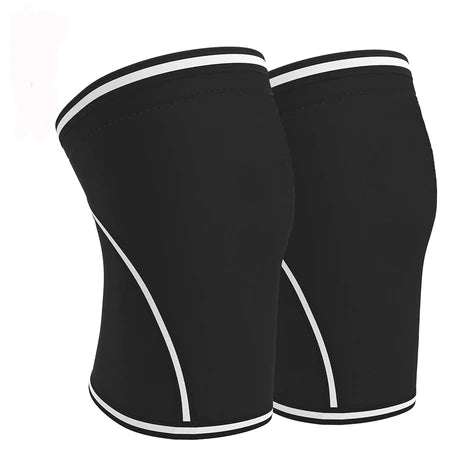
Choosing knee pads for the elderly is really about choosing the right level of comfort and support for daily life. Many seniors want help with stiffness, mild instability, cold-sensitive joints, or general knee discomfort when walking, standing, or moving around the house. A good knee pad or knee support should feel secure without being too tight, stay comfortable for longer wear, and be easy to put on and remove.
If you are comparing options, start with three basics: fit, support level, and material. Some older adults do best with a soft sleeve for warmth and light compression, while others may prefer a more adjustable brace for a more secure fit around the kneecap.
What should seniors look for in knee pads?
For most seniors, the best choice is not the thickest or tightest product. It is the one that matches everyday needs.
- Comfortable fit: It should feel snug, not restrictive. If it leaves deep marks, causes numbness, or feels hard to bend in, it may be too tight.
- Easy on and off: This matters a lot for older hands, limited mobility, or swelling that changes during the day.
- Breathability: A support that traps too much heat or sweat can become uncomfortable quickly.
- Warmth when needed: Some seniors prefer knee warmth in cooler weather, especially if joints feel stiff in the cold.
- Stable support: If the knee feels weak or less steady, a more structured option may be better than a simple sleeve.
If you want to compare broader shopping options by support goal, browse this knee pad pain relief support collection as a helpful next step.
Knee sleeve vs. knee brace for elderly users
This is one of the most common questions. In simple terms, a knee sleeve is usually better for light support, mild compression, and warmth. A knee brace is usually a better choice when someone wants a more adjustable and secure feel.
Choose a knee sleeve if:
- The main goal is gentle compression
- The knee feels stiff rather than unstable
- Warmth and day-to-day comfort matter most
- You want a simple slip-on design
Choose a knee brace if:
- The knee feels less stable during walking or stairs
- You want an adjustable fit
- You prefer support around the kneecap area
- A slip-on sleeve is too hard to pull on
Not sure whether knee supports are worth using at all? You may also want to read the pros and cons of knee pads before choosing.
How much support is enough?
More support is not always better. For many seniors, too much compression or a bulky brace can feel uncomfortable and may discourage regular use.
As a general guide:
- Light support: best for warmth, mild soreness, and everyday comfort
- Moderate support: better when the knee needs a more secure feel for walking, errands, or longer periods on the feet
- Structured support: may be useful when the kneecap area needs extra control or when a more adjustable wrap feels easier to manage
If knee pain is severe, swelling is significant, or the joint frequently gives way, a knee support should not replace medical advice.
Best materials for comfort, warmth, and daily wear
Material affects comfort more than many people expect. Instead of focusing on fabric names alone, think about how the knee pad feels during real use.
- Soft knit or compression fabric: usually a good choice for daily wear, flexibility, and breathability
- Warmer thermal styles: useful for cold weather or seniors who prefer extra warmth around the joint
- Adjustable wrap designs: often easier to fit when knee size changes slightly due to swelling
The right material should not feel scratchy, overly stiff, or difficult to clean. If warmth is a top concern in winter, a thermal-style knee support may be more useful than a standard sleeve.

Warm knee sleeves for comfort and support in cold weather.
Why they may help: a practical option for seniors who mainly want gentle warmth and light support during colder days.
Common mistakes when choosing knee pads for seniors
- Buying too tight for “more support”: overly tight knee pads can be uncomfortable and hard to wear consistently.
- Ignoring ease of use: if it takes too much effort to put on, it may end up unused.
- Choosing by looks instead of daily needs: athletic styles are not always the best match for older adults.
- Using one option for every situation: some people prefer a lighter sleeve at home and a more supportive brace when walking outside.
- Overlooking cold-weather comfort: warmth can matter as much as compression for some seniors.
When an adjustable knee brace may be a better choice
If a senior has trouble pulling on a sleeve or wants a more customizable fit, an adjustable brace can make more sense. Wrap-style designs are often easier to position and tighten gradually.

Adjustable knee support with spring stabilizers and a gel patella pad.
Why they may help: a good fit for readers who want more adjustability and a more secure feel around the kneecap than a basic sleeve.
For shoppers specifically comparing supports designed around the kneecap area, these advanced patella gel pad knee options may be worth exploring.
How to check if the fit is right
Once the knee pad is on, ask these simple questions:
- Can the person walk comfortably without pinching?
- Does the support stay in place without constant adjustment?
- Is there helpful support without numbness or strong pressure?
- Can it be worn for normal daily activity without irritation?
If the answer to those questions is yes, the fit is probably close to right. If not, a different size or a different style may work better.
Care and maintenance tips
Good care helps knee supports last longer and stay comfortable.
- Keep them in a dry, ventilated place
- Clean them regularly according to the product instructions
- Avoid long soaking unless the care instructions allow it
- Let them dry fully before storing
- Replace them when they become overstretched, lose support, or feel worn out
If the knee support will also be used for walking or light activity, this related guide on how to properly use knee pads when exercising can help with fit and wear habits.
Final takeaway
The best knee pads for elderly users are the ones that feel comfortable enough to wear consistently. For mild discomfort or cold-sensitive knees, a soft sleeve or warming style may be enough. For a knee that feels less steady, an adjustable brace may be a better fit. Focus on comfort, ease of use, and the right support level rather than choosing the strongest-looking option.
If you are ready to compare styles by need, start with this knee pad pain relief support collection to review options for daily comfort and support.
FAQ
Do knee pads help with knee pain in seniors?
They can help provide comfort, warmth, compression, or a more supported feeling, depending on the design. The right option depends on whether the main concern is stiffness, cold sensitivity, mild discomfort, or a feeling of instability.
Are knee sleeves or knee braces better for elderly people?
Knee sleeves are often better for light compression and warmth. Knee braces are usually better when adjustable support or a more secure fit is needed.
Should elderly people wear knee pads all day?
That depends on comfort, activity level, and the product design. If a support feels uncomfortable, too tight, or causes irritation, it should not be worn continuously without guidance.
What size knee pad is best for seniors?
The best size is the one that feels supportive without being restrictive. Always check the product sizing guidance and avoid guessing based only on age or clothing size.