
How to Get Carpal Tunnel Pain Relief at Night
Carpal tunnel pain often feels worse at night because your wrists may bend while you sleep and fluid can build up when you lie still for hours. If numbness, tingling, burning, or hand pain keeps waking you up, a few simple changes can make nights easier: keep your wrist in a neutral position, avoid curling your hands under you, use cold therapy before bed, and consider gentle support designed for overnight wear.
This guide covers practical ways to relieve carpal tunnel pain at night, how to sleep with carpal tunnel syndrome more comfortably, and when nighttime symptoms may mean it is time to talk with a medical professional.
Common signs of carpal tunnel at night
Night symptoms usually involve the hand and wrist rather than the whole arm. Many people notice:
- Numbness or tingling in the thumb, index finger, middle finger, and part of the ring finger
- Aching, burning, or throbbing wrist pain
- A feeling that the hand is swollen even when it does not look very swollen
- Weakness or clumsiness when gripping objects
- Waking up and needing to shake the hand out
If your symptoms are mostly in the little finger, another issue may be involved, so it is worth getting checked rather than assuming it is carpal tunnel.
Why does carpal tunnel hurt more at night?
There are a few common reasons symptoms ramp up after bedtime:
1. Your wrist bends while you sleep
Sleeping with the wrist curled forward or tucked under the pillow can increase pressure in the carpal tunnel. That added pressure can irritate the median nerve and trigger numbness, tingling, or pain.
2. You stay in one position for a long time
During the day, your hands and arms move constantly. At night, long periods without movement may make stiffness and swelling more noticeable.
3. Side sleeping can put extra pressure on the arm
Some people sleep with the top wrist bent or the lower arm trapped under body weight. That combination can aggravate hand pain at night.
If you want a deeper look at posture and sleep setup, read how sleeping position affects carpal tunnel syndrome.
How to sleep with carpal tunnel more comfortably
The goal is simple: keep the wrist as straight and relaxed as possible.
Sleep position tips
- Avoid sleeping with your hands tucked under your head or pillow. This often forces the wrist into a bent position.
- Try sleeping on your back if possible. It is often easier to keep both wrists neutral.
- If you sleep on your side, hug a pillow. This can stop the top arm from folding tightly across the body.
- Lightly elevate the forearm. A pillow under the forearm can make the wrist feel less strained.
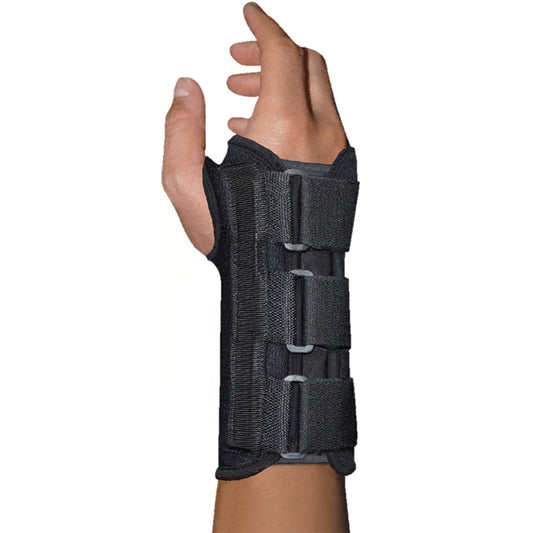
Use a nighttime wrist brace if wrist bending is the main problem
A brace can be helpful when symptoms wake you up because your wrist keeps curling in your sleep. The main purpose is not to squeeze hard, but to remind the wrist to stay in a more neutral position overnight.

Night Wrist Brace for Carpal Tunnel Support, Fully Adjustable
Adjustable wrist support designed for nighttime comfort and rest.
Helpful if your wrist tends to bend while sleeping and you want more overnight support.
If you are comparing options, you can browse the wrist splint collection for more overnight support styles.
How to relieve carpal tunnel pain at night before bed
If symptoms usually flare up after you lie down, your evening routine matters. Try these steps 30 to 60 minutes before sleep:
Ice for short-term relief
If your wrist feels irritated or puffy, icing the area for 10 to 15 minutes before bed may help calm things down. Do not fall asleep with an ice pack on your skin.
Gentle hand and wrist movement
Very light movement can sometimes reduce that “stuck” feeling before sleep. Think easy opening and closing of the hand or slow wrist motion within a comfortable range. Avoid aggressive stretching that makes tingling worse.
Reduce late-night strain
Typing, gaming, scrolling in bed, and gripping tools late in the evening can all leave the wrist more irritated at bedtime. If you notice a pattern, try cutting back on repetitive hand use before sleep.
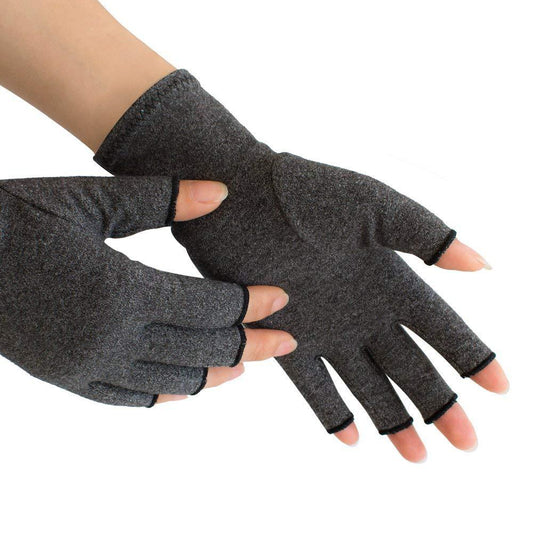
Consider light daytime compression if your wrist feels overworked
Some people prefer lighter support during work or typing, especially if a bulky brace is not practical.

Compression Wrist Sleeve for Wrist Pain and Carpal Tunnel Support
Fingerless wrist compression sleeve for everyday support and comfort.
A useful option for daytime wear if repetitive tasks seem to contribute to nighttime discomfort.
Mistakes that can make carpal tunnel at night worse
- Sleeping with bent wrists: one of the most common triggers
- Ignoring recurring numbness: frequent night waking is a sign the problem may be progressing
- Using too much force when stretching: aggressive stretches can flare symptoms
- Doing heavy gripping before bed: this can leave the wrist more irritated overnight
- Assuming all hand pain at night is carpal tunnel: arthritis, tendon issues, or nerve irritation elsewhere can also cause nighttime hand pain
Heat or ice for carpal tunnel at night?
This depends on what you are feeling.
- Ice may be more helpful when the wrist feels irritated, inflamed, or swollen after a long day.
- Gentle warmth may feel soothing if your hands are stiff or cold before bed.
Some people use warmth to relax the hand, then switch to brief icing if symptoms feel inflamed. The key is to avoid anything that clearly makes tingling or pain worse.
When to see a doctor about nighttime carpal tunnel symptoms
Home care may help mild symptoms, but do not ignore signs that the condition is getting more serious. Seek medical advice if:
- Your symptoms keep waking you up despite changing sleep position
- Numbness starts lasting into the day
- You notice grip weakness or start dropping objects
- Pain becomes severe or spreads
- You are unsure whether it is truly carpal tunnel
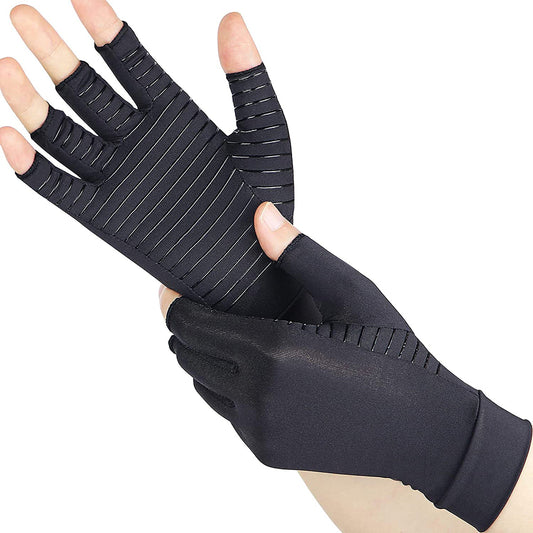
If you want to explore more non-surgical strategies, see carpal tunnel treatment without surgery. You may also find it useful to read how compression gloves can help if hand support and swelling are part of the problem.
A practical next step if you need more support
If your main issue is wrist position during sleep or repetitive strain during the day, exploring supportive options can help you find a better fit for your routine. Start with the wrist splint collection to compare overnight support choices.
Final thoughts
For many people, carpal tunnel pain relief at night starts with the basics: keep the wrist neutral, avoid sleeping on a bent hand, reduce evening strain, and use cold therapy or supportive wear when needed. If those changes do not help, or symptoms are becoming more frequent, it is best to speak with a healthcare professional before the problem worsens.
Frequently asked questions
How do I relieve carpal tunnel pain at night fast?
The fastest simple steps are to change wrist position, gently shake out the hand, and apply ice for 10 to 15 minutes before bed if the area feels irritated. A nighttime wrist brace may also help if wrist bending is waking you up.
Why does carpal tunnel hurt more at night?
It often gets worse at night because the wrist bends during sleep and the hand stays still for long periods. That can increase pressure around the median nerve and make numbness or tingling more noticeable.
What is the best sleeping position for carpal tunnel?
Many people do best on their back with the wrists straight and relaxed. If you sleep on your side, using a pillow to support the arm can help keep the wrist from folding inward.
Does ice help carpal tunnel?
Ice may help short-term when the wrist feels inflamed or irritated, especially before bed. Use it for a brief session and avoid sleeping with an ice pack on the skin.
Can a wrist brace help with carpal tunnel at night?
It can help some people by keeping the wrist in a more neutral position during sleep. That may reduce pressure caused by wrist bending overnight.