
How to Protect Yourself and Prevent Injury in Basketball
Basketball is exciting, fast-paced, and demanding on the body. Most injuries happen not because one big mistake was made, but because of a mix of poor landing mechanics, sudden direction changes, fatigue, and playing through pain. The good news is that many common basketball injuries can be reduced with smarter movement, better preparation, and proper rest.
If you want to protect your knees, ankles, feet, and back during play, focus first on the basics: warm up well, land safely, cut with control, wear proper shoes, and do not ignore pain that keeps getting worse.
1. Start with a proper warm-up
A quick warm-up is one of the easiest ways to prepare your joints and muscles for basketball. Before training or a game, spend a few minutes on light cardio, dynamic stretches, and movement drills. This helps your body get ready for sprinting, jumping, braking, and defensive sliding.
Good warm-up habits can reduce the chance of awkward movements that lead to sprains, strains, or knee irritation. If you often feel stiff at the start of play, that is a sign you should never skip this step.
2. Protect your ankles and feet when landing
Landing after a rebound, layup, or jump shot is one of the most common moments for injury. Try to land with both feet under control, avoid drifting sideways in the air, and keep your knees slightly bent so your body can absorb impact.
When possible, avoid landing on another player’s foot or twisting your ankle during contact. If you are crowded under the basket, control your body position instead of forcing a difficult landing.
3. Cut and stop with control
Basketball requires constant changes of direction. Sudden stops, sharp cuts, and fake moves can place stress on the knees and ankles if your body is not prepared. Stay low, keep your balance centered, and use short, controlled steps instead of locking your legs or turning too sharply.
Defensive sliding is especially important. Moving with control helps you react without overloading the joints. If you are learning to play more aggressively, work on footwork first before trying to play at full speed.
4. Do not play through fatigue or pain
Tired muscles do not stabilize the body as well as fresh ones. That is why injuries often happen late in games or after long practice sessions. If your movement becomes sloppy, your reaction time slows, or your knees and ankles start to feel unstable, it is smarter to rest than to push through.
One of the biggest mistakes basketball players make is ignoring small pain signals. A sore joint today can become a more serious problem tomorrow if it is not given time to recover.
5. Choose shoes that support your movement
Basketball shoes should help with grip, stability, and shock absorption. You do not always need the most expensive pair, but you do need shoes that fit well and suit the court surface you play on. If you often play on harder surfaces, cushioning and traction become even more important.
When your shoes are worn out or do not fit properly, your body has to absorb more impact on its own. That can increase stress on the knees, feet, and lower back.
6. Consider support gear when you need extra stability
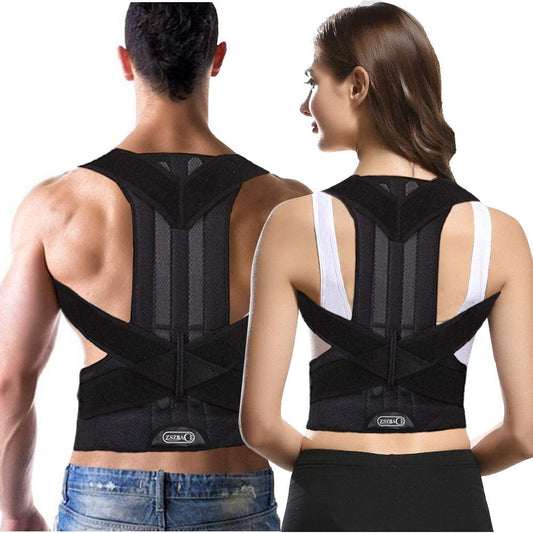
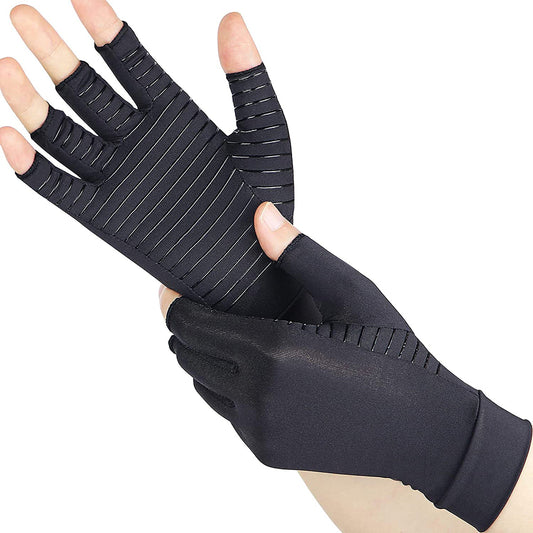
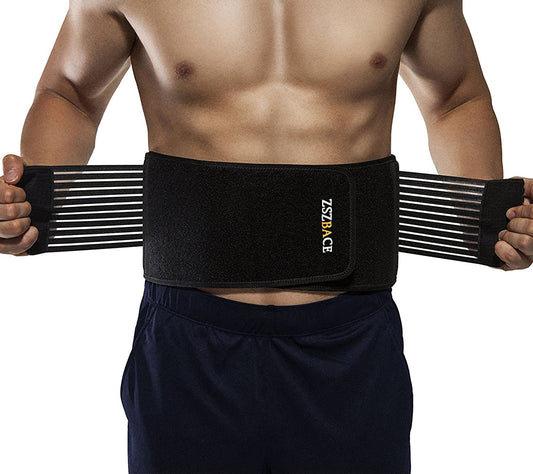
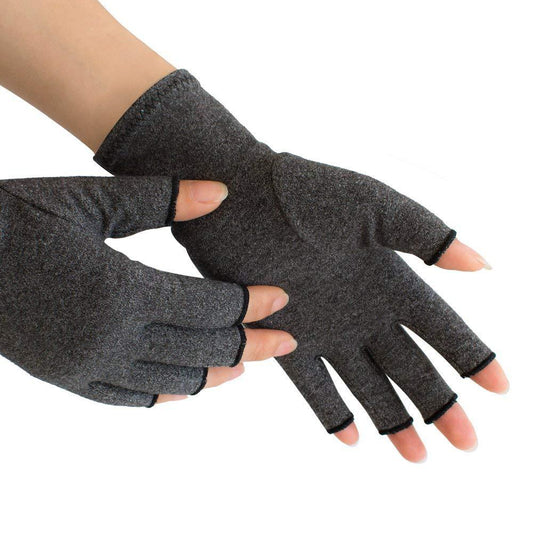
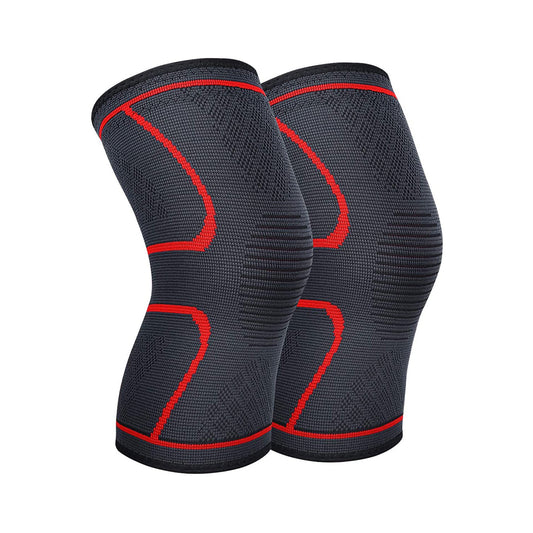
Some players want extra confidence during play or recovery. Support gear does not replace good technique, but it may help provide compression and a more secure feeling during movement. If you are dealing with soreness, swelling, or a previous minor strain, a supportive knee brace can be a practical addition while you continue to manage your load.

Knee Brace
Provides compression and support for players who want extra stability during basketball or recovery.
Why it may help: A useful option if you want added support for the knee while staying active.
If you are looking for more supportive options, browse the knee brace collection to compare different styles and find the right fit for your needs.
7. Recover properly after games and practices
Recovery matters just as much as training. Give your body time to rest between sessions, especially if you feel repeated soreness in the knees, ankles, or lower back. Light recovery work, sleep, hydration, and planned rest days all help your body handle the next session better.
Playing through repeated pain is never a good long-term strategy. If swelling, sharp pain, or instability keeps returning, it is wise to stop and get proper medical advice.
Common basketball injury mistakes to avoid
- Skipping warm-up and starting at full intensity right away
- Landing with the body twisted or off balance
- Making sharp cuts without control
- Playing on tired legs for too long
- Ignoring pain, swelling, or recurring stiffness
- Using worn-out shoes that do not support your movement
When should you get help?
Minor soreness can happen after hard play, but pain that lasts, swelling that does not improve, or a joint that feels unstable should not be ignored. If symptoms are getting worse, take a break from basketball and speak with a qualified medical professional.
For readers interested in knee-focused support options, you can also explore our knee brace collection after reading this guide.
FAQs
How do I avoid ankle sprains in basketball?
Warm up before play, keep your footwork controlled, land with balance, and avoid sudden twisting when you are off balance. Proper shoes and good court awareness also matter.
Why do knees hurt after basketball?
Knee pain can come from repeated jumping, hard landings, fatigue, poor mechanics, or too much play without rest. If the pain keeps coming back, reduce activity and seek professional guidance.
Is it okay to play basketball with pain?
It is not a good idea to keep playing through sharp, worsening, or unstable pain. Resting early often helps prevent a smaller issue from becoming a bigger injury.
Can a knee brace help during basketball?
A knee brace may offer compression and support for some players, especially when recovering from minor discomfort or wanting extra stability. It is not a substitute for good technique, rest, or medical care when needed.