
How to Relieve Back Pain During Pregnancy
Back pain during pregnancy is very common, especially as your belly grows and your center of gravity changes. The good news is that many people can reduce discomfort with simple changes to posture, sleep, movement, and support.
If you are looking for everyday ways to feel better, start with the basics: rest when you need to, move gently, and avoid positions or habits that strain your lower back. If pain is severe, persistent, or comes with other symptoms, contact your health care provider.
Why back pain happens during pregnancy
Pregnancy back pain can come from several overlapping changes. Hormones loosen ligaments, your posture shifts as your belly grows, and the extra load on your spine can create strain. For many people, the result is a dull ache in the lower back, hips, or pelvis that gets worse after standing, walking, or sitting too long.
Some readers describe this as a feeling of instability through the abdomen, pelvis, or lower back. That can make simple tasks like getting out of bed, lifting groceries, or climbing stairs feel harder than usual.
What usually helps most
The most useful approach is often a combination of small, repeatable habits rather than one quick fix. Focus on support, movement, and reducing strain during the parts of the day that trigger your pain.
- Move gently: Walking, swimming, and other low-impact activity can help keep muscles active and support posture.
- Change positions often: Avoid staying in one position for too long, especially if standing or sitting increases pain.
- Use better sleep support: Side-sleeping with pillows between or under the knees can reduce pressure on the back.
- Lift carefully: Bend your knees, keep your back straight, and ask for help when something feels too heavy.
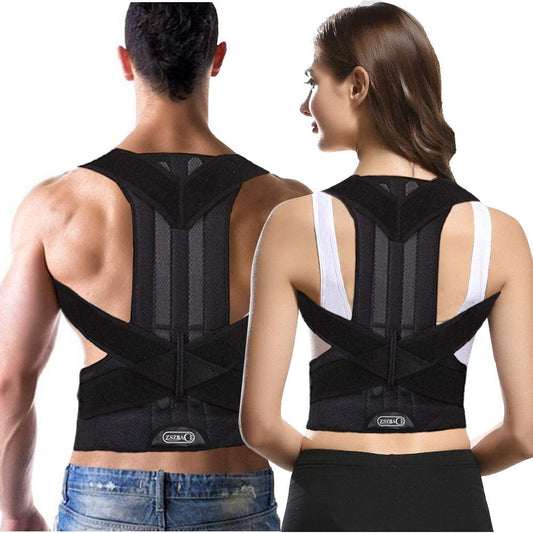
- Support your midsection: A maternity support belt may help some pregnant people feel more stable during daily activities.
How to sleep more comfortably
Nighttime discomfort is one of the most frustrating parts of pregnancy back pain. Try sleeping on your side with a pillow between your knees. Some people also like a pillow under the belly for extra support. If you wake up sore, check whether your mattress is too soft or whether your hips and lower back need more alignment support.
For readers who want more guidance on body positioning, our posture-focused article may be a helpful next read.
When support products can help
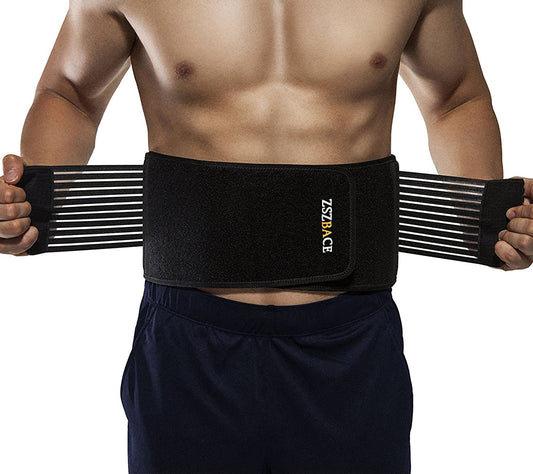
Support products are not a cure, but they can be useful when your pain is tied to movement, posture, or abdominal strain. A well-fitted maternity support belt may help distribute pressure and give the lower back and abdomen a more supported feel during standing, walking, or doing errands.

Adjustable Maternity Support Belt
Helpful when you want extra support for the belly and lower back during everyday movement.
See if this support style fits your routine
If you are comparing support options, browse our maternity support belts collection to find a style that matches your comfort needs.
Helpful habits and common mistakes
It is easy to make back pain worse without realizing it. A few common mistakes include wearing unsupportive shoes, slouching for long periods, lifting from the waist, and trying to push through discomfort without breaks.
Instead, aim for low-heeled shoes with good support, a neutral standing posture, and small adjustments throughout the day. If you sit at a desk or spend time in the car, place a small pillow or rolled towel behind your lower back for extra support.
If you are also dealing with discomfort in your feet or knees, changing footwear can make a noticeable difference. Our guide to supportive footwear explains what to look for in shoes that reduce strain.
When to call your doctor
Back pain often improves after birth, but you should speak with your health care provider if the pain is severe, keeps getting worse, lasts more than two weeks, or comes with symptoms that worry you. Your doctor can help rule out a more serious cause and recommend the safest treatment options for your pregnancy.
Always check with a medical professional before starting new treatments, therapies, or medications during pregnancy.
FAQ
What causes back pain during pregnancy?
Back pain is usually caused by a mix of hormone changes, ligament loosening, posture shifts, and the added weight of a growing baby. These changes can place extra stress on the lower back and pelvis.
Is a maternity support belt safe to use?
Many pregnant people use support belts for comfort, but it is best to ask your health care provider if you are unsure whether it is right for you. A belt should feel supportive, not tight or uncomfortable.
What is the best sleeping position for pregnancy back pain?
Side sleeping with a pillow between your knees is a common recommendation because it can reduce pressure on the lower back and hips. Adding a pillow under the belly may also improve comfort.
When should pregnancy back pain be checked by a doctor?
Seek medical advice if the pain is severe, lasts longer than two weeks, or is accompanied by other symptoms. Your doctor can help determine whether the pain is typical pregnancy discomfort or something that needs treatment.