
How to Use a Maternity Support Belt During Pregnancy
If pregnancy is bringing more belly, back, hip, or pelvic discomfort, a maternity support belt may help some people feel steadier and more supported during daily movement. It is not necessary for every pregnancy, but when used well, it can make walking, standing, or light activity feel more manageable.
The most important thing to know is that a support belt should feel snug, not tight. It is meant to support, not compress. If you are unsure whether your symptoms are normal, talk with your doctor or midwife before using one.
When a maternity support belt may be helpful
People often try a support belt when they want extra support for the lower belly, back, or pelvis. It may be worth considering if you notice discomfort during:
- Long periods of standing
- Walking or light exercise
- Housework or errands
- Days when your belly feels heavy or your posture feels strained
Some pregnant people also like the feeling of gentle support later in pregnancy. If you are already comparing support options, you may also want to browse our maternity support belts collection to see the styles available.
How to wear a maternity support belt correctly
Every belt fits a little differently, but the general goal is the same: secure support without pressure or pinching.
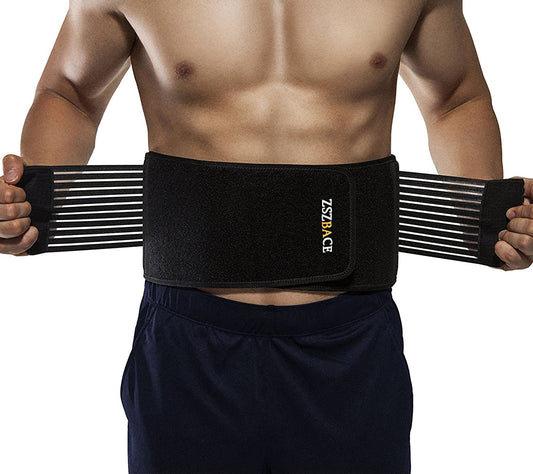
- Place it low and centered. Most support belts sit under the belly or around the lower back and pelvis, depending on the design.
- Adjust it gradually. Tighten only until it feels supportive. You should still be able to breathe normally and move comfortably.
- Wear it over thin clothing if needed. A light layer can reduce rubbing and make the belt easier to adjust.
- Check your posture. If the belt causes you to arch, shift, or lean unnaturally, it may not be positioned well.
If you are still figuring out which style is right for your body and routine, this is where a dedicated support option can help. A practical example is the Maternity Support Belt, which is designed for gentle wear during pregnancy. Why it may be useful: a simple, adjustable belt can be easier to incorporate into daily routines when you want support without extra bulk.

Maternity Support Belt
A straightforward support option for everyday comfort when your belly, back, or pelvis needs a little extra help.
Good fit for: readers who want a simple starting point for maternity support.
How long should you wear it?
Many manufacturers suggest wearing a belt for limited periods rather than all day. That is because too much compression can feel hot, restrictive, or uncomfortable against the skin.
A good rule is to use it during the activities that trigger discomfort, then take it off when you no longer need the support. If you are trying one for the first time, start with short periods and see how your body responds.
Common mistakes to avoid
- Wearing it too tight: If it leaves pressure marks or makes breathing uncomfortable, loosen it.
- Using it as a substitute for medical care: A support belt may help with comfort, but it does not diagnose or treat the cause of pain.
- Wearing it all day: Continuous use can feel warm and restrictive, especially in later pregnancy.
- Ignoring unusual symptoms: Severe pain, swelling, bleeding, dizziness, or reduced fetal movement should be checked by a medical professional.
How to choose the right support belt
Look for a belt that matches your main comfort goal. Some people want support for the lower belly, while others want more help around the back or pelvis. When choosing, consider:
- Adjustability: helpful as your body changes
- Comfort: soft materials and non-irritating edges matter
- Ease of use: simple closures are easier for everyday wear
- Fit under clothing: important if you plan to wear it outside the home
For readers who want to compare options before deciding, the maternity support belts collection is a useful next step after reading this guide.
When to ask a doctor first
Talk with your doctor or midwife before using a support belt if you have ongoing pain, a high-risk pregnancy, or symptoms that feel unusual. A belt may be fine for everyday comfort, but it should not replace medical advice when something does not feel right.
You may also want guidance if your pain is sharp, one-sided, or getting worse rather than better.
FAQ
Do I need a maternity support belt during pregnancy?
No. Many pregnancies do not require one. Some people find a belt helpful for comfort, while others do not need it at all.
Can I wear a maternity support belt every day?
You can wear one regularly if it feels comfortable, but many brands recommend using it for limited periods rather than all day. Short, activity-based wear is usually a good place to start.
Should a maternity support belt be tight?
No. It should feel snug and supportive, but not tight. If it causes pressure, pain, or makes it hard to breathe, it is too tight.
Can a support belt help with back or pelvic discomfort?
It may help some people feel more supported around the back, belly, or pelvis. Results vary, so it is best seen as a comfort tool rather than a guaranteed fix.
What should I do if the belt feels uncomfortable?
Try adjusting the fit, shortening the wear time, or choosing a different style. If discomfort continues, stop using it and ask your doctor for advice.
Final thoughts
A maternity support belt can be a simple way to add comfort during pregnancy, especially when movement, standing, or walking starts to feel harder. The key is to use it gently, keep the fit snug but not tight, and listen to your body. If you are ready to explore options, start with the maternity support belts collection and choose the style that best fits your daily routine.