
How to Use a Pregnancy Belly Belt: Fit, Wear Time, and Safety Tips
If you’re dealing with lower back discomfort, pelvic pressure, or a heavy-feeling bump, a pregnancy belly belt can offer extra support for everyday movement. The key is to choose the right style, wear it correctly, and use it as a support tool—not a replacement for medical advice or movement that feels safe for your body.
In this guide, we’ll cover what a pregnancy belly belt does, how to wear one properly, who may benefit most, and the common mistakes to avoid.
What a pregnancy belly belt is used for
A pregnancy belly belt is designed to provide gentle support around the abdomen and pelvis. Many people use one during activities that feel harder as pregnancy progresses, such as walking, standing for longer periods, or doing household tasks.
It may help you feel more stable by supporting the lower belly and reducing some of the strain that can build up in the back and pelvic area. That said, every pregnancy is different, so what feels helpful for one person may not suit another.
How to use a pregnancy belly belt properly
Before wearing a belly belt, check with your doctor, midwife, or women’s health physiotherapist if you have any concerns, pain that is worsening, or a medical condition that affects circulation or blood pressure.
- Choose the right size. A belt that is too small can feel restrictive, while one that is too large may slide around and not support you well.
- Position it low and supportive. Most belts work best when placed under the bump and around the pelvis, not high across the stomach.
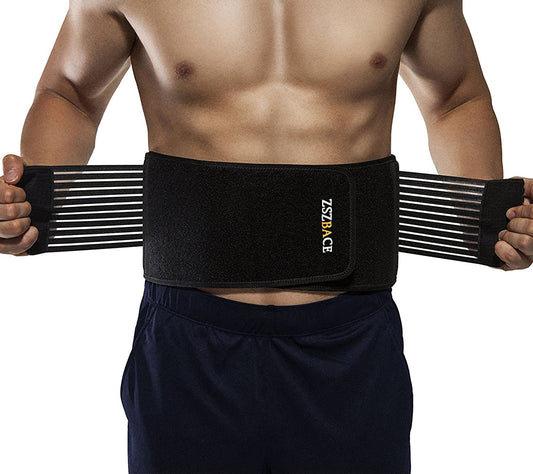
- Fasten it snugly, not tightly. You should feel gentle compression and support, not pressure, pinching, or difficulty breathing.
- Wear it for specific tasks. Many people use a belt during activities that trigger discomfort, then remove it when resting.
- Check comfort throughout the day. If the belt shifts, digs in, or makes symptoms worse, adjust the fit or stop using it.
If you want a supportive option designed for everyday wear, see our maternity belts collection.
When a belly belt may be helpful
A pregnancy support belt may be useful if you notice:
- lower back discomfort during walking or standing
- pelvic or hip pressure that increases with movement
- a sense of heaviness in the abdomen later in pregnancy
- extra discomfort during work, errands, or daily chores
It can also be useful for people who want a little more stability during the day, especially when they are on their feet for longer periods.
Common mistakes to avoid
Even a well-made belt can be unhelpful if it is used incorrectly. Watch out for these common mistakes:
- Wearing it too tightly. A belt should not cause indigestion, heartburn, numbness, or circulation concerns.
- Wearing it all day. It’s usually better to use it for support during specific activities rather than relying on it constantly.
- Using the wrong type. Some belts are designed for pregnancy, while others are made for postpartum recovery.
- Ignoring pain that persists. If support doesn’t help, there may be an underlying issue that needs professional assessment.
Pregnancy support vs postpartum support
People often search for a pregnancy belly belt when they actually mean a support garment for after birth. These products can look similar, but the purpose is different.
A pregnancy belt is designed to support the bump and pelvis during pregnancy. A postpartum wrap or recovery belt is used after delivery and may feel firmer or be shaped differently. If you’re shopping for recovery support after birth, take a look at our postpartum recovery collection.
How long should you wear one?
There isn’t one universal rule for everyone, but many people prefer wearing a belly belt for a few hours at a time, especially during activities that increase discomfort. If you feel like you depend on it constantly, or your discomfort is getting worse, speak with a healthcare professional.
A belly belt should be part of a broader comfort plan that may also include rest breaks, gentle movement, and guidance from a qualified professional when needed.

Maternity belts collection
Helpful support options for readers looking for everyday pregnancy comfort and stability.
Why it may help: A good next step if you want to compare support styles before choosing a belly belt.
Browse support options
When to talk to a professional
Talk to your doctor or women’s health physiotherapist if:
- your pain is severe or getting worse
- the belt makes symptoms worse instead of better
- you feel numbness, tingling, or unusual pressure
- you have concerns about pelvic girdle pain, back pain, or circulation
Support garments can be useful, but they work best when they fit your body and your pregnancy stage.
FAQ
How do I know if my pregnancy belly belt is on correctly?
It should sit low under the bump, feel supportive but not tight, and stay in place without digging into your skin. If you feel pressure, pinching, or trouble breathing, loosen or reposition it.
Can I wear a belly belt all day?
Most people find it better to wear a belly belt only during activities that need extra support. If you feel you need it all day, it’s a good idea to check in with a healthcare professional.
Is a maternity belt the same as a postpartum belt?
Not always. Some products are made for pregnancy, while others are designed for recovery after birth. Always check the product purpose before buying.
What should I do if the belt doesn’t help my pain?
If the belt isn’t helping, stop using it and speak with your doctor, midwife, or physiotherapist. Ongoing pain may need a different kind of support.
For more guidance on support garments and recovery options, you can also read our article on how to support your body after pregnancy and explore our maternity belts collection.