How to Wear a Maternity Belt for Maximum Comfort and Support
If you’re wondering how to wear a maternity belt, the simplest answer is this: position it low and supportive, just under your bump and above the pelvis, then adjust it so it feels snug but never restrictive. The goal is comfort and support, not compression.
A well-fitted maternity belt can help take some pressure off the lower back, hips, and pelvis during everyday activities like walking, standing, and light chores. Below, we’ll cover how to wear it, when to use it, what mistakes to avoid, and how to choose one that suits your needs.
How to wear a maternity belt correctly
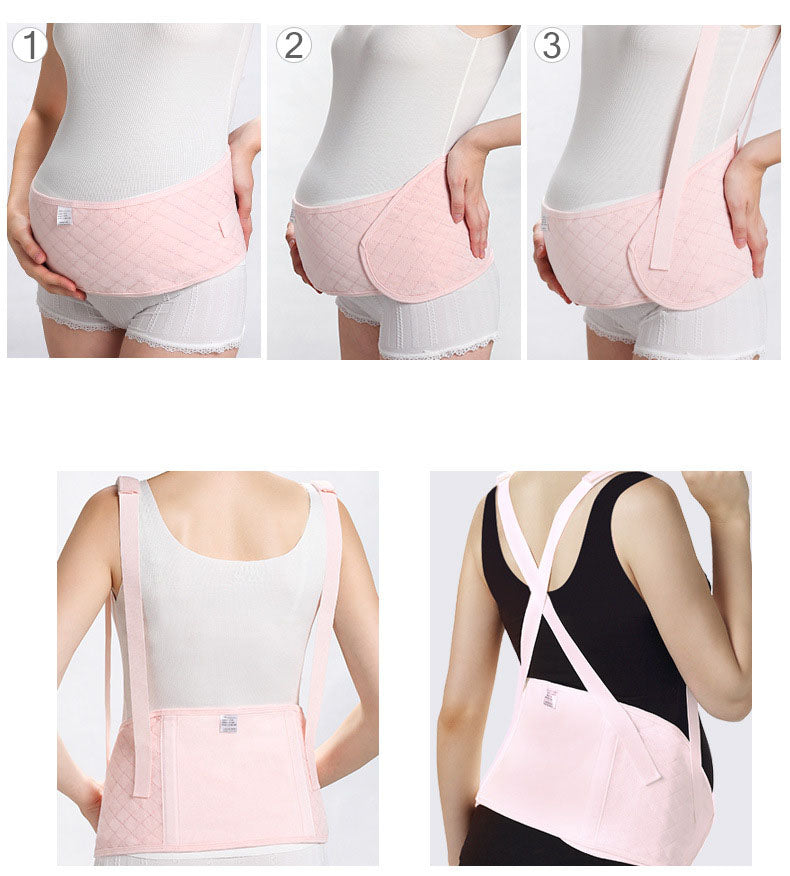
Most maternity belts are designed to sit beneath the abdomen rather than across the middle of the bump. To get a comfortable fit:
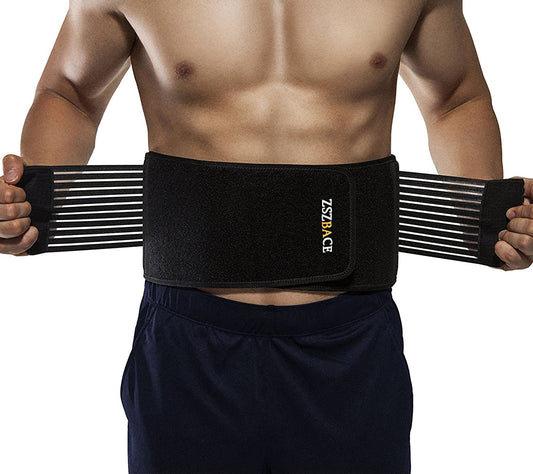
- Wrap the belt around your waist so the support panel sits under your belly and over the hip area.
- Fasten the belt with the closure system provided, such as hook-and-loop or Velcro.
- Adjust the tension gradually until it feels supportive, but not tight.
- If the belt has side straps or an upper support section, use those to fine-tune the fit.
- Walk, sit, and stand for a few minutes to check whether it stays comfortable as you move.
A good fit should feel secure while still allowing you to breathe, bend, and sit without pressure on your stomach.
When a maternity belt may be helpful
Many pregnant women use a maternity belt during parts of the day when their abdomen feels heavier or when standing and moving become more tiring. It may be especially helpful during:
- Long periods of standing or walking
- Household tasks or errands
- Days when the lower back or pelvic area feels strained
- Light activity when you want a little extra support
Some people also continue using a support belt after birth. If you’re looking for that kind of flexibility, it can be useful to browse a maternity belts collection with options suited for pregnancy and postpartum wear.
Mistakes to avoid when wearing a maternity belt
The most common issue is wearing the belt too tightly. A maternity belt should support, not squeeze. Avoid these mistakes:
- Pulling the belt so tight that it presses into your abdomen
- Wearing it for long stretches without a break
- Using it while sleeping unless a healthcare professional has advised otherwise
- Choosing a belt that shifts, digs in, or feels too stiff
If a belt feels uncomfortable while sitting, try adjusting the placement slightly lower or loosening it a bit. The right belt should move with you rather than fight against you.
How to choose a maternity belt that feels comfortable
Not all maternity belts feel the same. When comparing options, look for practical features that support everyday wear:
- Adjustability: A flexible fit matters as your body changes through pregnancy.
- Breathable materials: Softer, breathable fabrics are usually more comfortable for longer wear.
- Discreet design: A slimmer belt is easier to wear under clothing.
- Supportive structure: The belt should help distribute pressure without feeling rigid.
- Potential postpartum use: If you want one belt for more than one stage, choose a style that can still be adjusted later.
If you’re comparing options, the maternity support collection is a practical place to look for support garments designed for pregnancy comfort.
Product suggestions

Maternity belts collection
A helpful starting point if you want to compare different support belt styles in one place.
Why it may help: Useful after reading the fitting tips above and wanting to explore your options.
How long should you wear a maternity belt?
There isn’t one perfect schedule for everyone. Many people prefer to wear a maternity belt only during activities that need extra support, then remove it once they’re resting. If you plan to wear one for longer periods, pay attention to comfort, skin irritation, and how your body feels throughout the day.
If you’re unsure whether a support belt is right for your situation, a maternity support article can also help you understand different use cases and comfort priorities before you buy.
Related reading
For more guidance on choosing supportive pregnancy wear, you may also find these pages useful:
- Maternity support collection
- Maternity belts collection
FAQ
Where should a maternity belt sit?
A maternity belt usually sits low on the body, under the belly and above the pelvis. It should support the bump without pressing directly on it.
Can I wear a maternity belt all day?
Some people wear one for extended periods, but comfort matters most. It’s usually better to wear it when you need support and take it off when you no longer do.
Should a maternity belt feel tight?
No. It should feel snug and supportive, but not tight enough to cause pressure, discomfort, or difficulty breathing.
Can I wear a maternity belt after giving birth?
Some maternity belts are also used postpartum, depending on their design and fit. If you want that flexibility, look for adjustable styles in a maternity support collection.
What if my belt feels uncomfortable when I sit?
Try adjusting the placement lower or loosening it slightly. If it still feels uncomfortable, the fit or design may not be right for you.
Choosing the right maternity belt is mostly about comfort, fit, and how you plan to use it day to day. A supportive belt should make movement feel easier, not more restricted.