Why Correct Posture Matters for Your Back, Neck, and Shoulders
Share
Correct posture matters because it helps your body stay aligned while sitting, standing, walking, and working. When posture slips for long periods, extra stress can build up in the back, neck, and shoulders. Over time, that can lead to stiffness, fatigue, and discomfort during everyday activities.
Good posture is not about looking rigid or forcing your body into an unnatural position. It is about keeping your spine in a more balanced position so your muscles and joints do not have to work harder than they should.
Why correct posture is important
Posture affects more than appearance. It can influence how comfortable you feel throughout the day and how easily you move.
- Less strain on the back and neck: Slouching or leaning forward can increase tension in the upper back, shoulders, and neck.
- Better body alignment: Balanced posture can help distribute pressure more evenly through your spine and supporting muscles.
- Easier breathing: A collapsed chest position may make deep breathing feel less natural, while a more open posture can support easier airflow.
- Improved comfort while sitting or standing: Good posture habits may help reduce fatigue during desk work, commuting, or long periods on your feet.
- More confident presence: Standing upright often helps people feel more composed and self-assured.
Common signs your posture may need attention
Many people do not notice poor posture until discomfort becomes a pattern. You may want to pay closer attention if you often experience:
- Rounded shoulders
- Forward head position
- Upper back tightness
- Neck tension after screen time
- Lower back fatigue when sitting
- Feeling stiff after long workdays
These issues are common for people who spend hours at a desk, look down at a phone often, or stay in one position for too long.
How poor posture can affect daily life
Poor posture is usually not caused by one moment. It is often the result of small habits repeated every day. For example, leaning toward a laptop, hunching over a phone, or sitting without back support can gradually place more load on certain muscles.
That added strain may show up in everyday situations like:
- Neck soreness after working on a computer
- Shoulder tightness while driving
- Mid-back discomfort after studying
- Feeling tired from standing with uneven weight distribution
Posture can also influence how you feel mentally. When you are uncomfortable or self-conscious about rounded shoulders or slouching, it may affect confidence in social or professional settings.
Simple ways to improve posture
Improving posture usually works best when you focus on consistency instead of perfection. Small changes practiced daily can make a meaningful difference over time.
- Adjust your screen height. Try to keep your screen closer to eye level so you are not constantly looking down.
- Sit with support. Keep your feet flat on the floor and avoid perching at the edge of your chair for long periods.
- Take movement breaks. Stand up, stretch, and reset your position every 30 to 60 minutes.
- Relax your shoulders. Pulling your shoulders back too aggressively can create tension. Aim for a natural, open chest position instead.
- Strengthen supportive muscles. Gentle exercises for the upper back, core, and shoulders can support better posture habits.
- Pay attention to your phone position. Bringing your phone higher can reduce the amount of time your neck stays bent forward.
Mistakes to avoid when correcting posture
Trying to fix posture too forcefully can backfire. Watch out for these common mistakes:
- Overcorrecting: Standing too stiffly can create new tension.
- Expecting instant results: Posture habits usually improve gradually.
- Ignoring discomfort: If a position causes pain, do not force it.
- Relying only on reminders: Environment changes, movement, and muscle conditioning all matter too.
Can a posture corrector help?
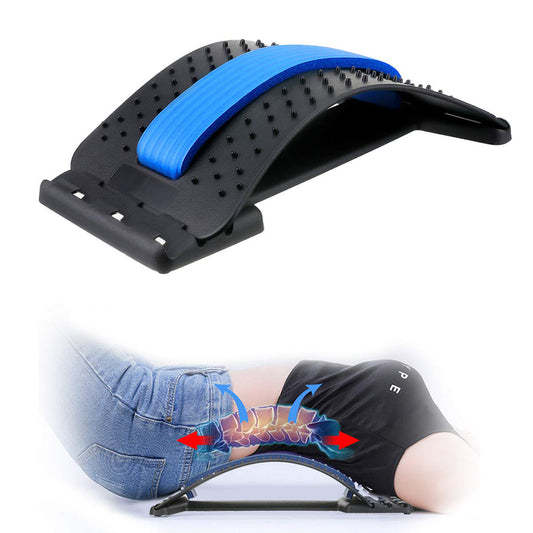
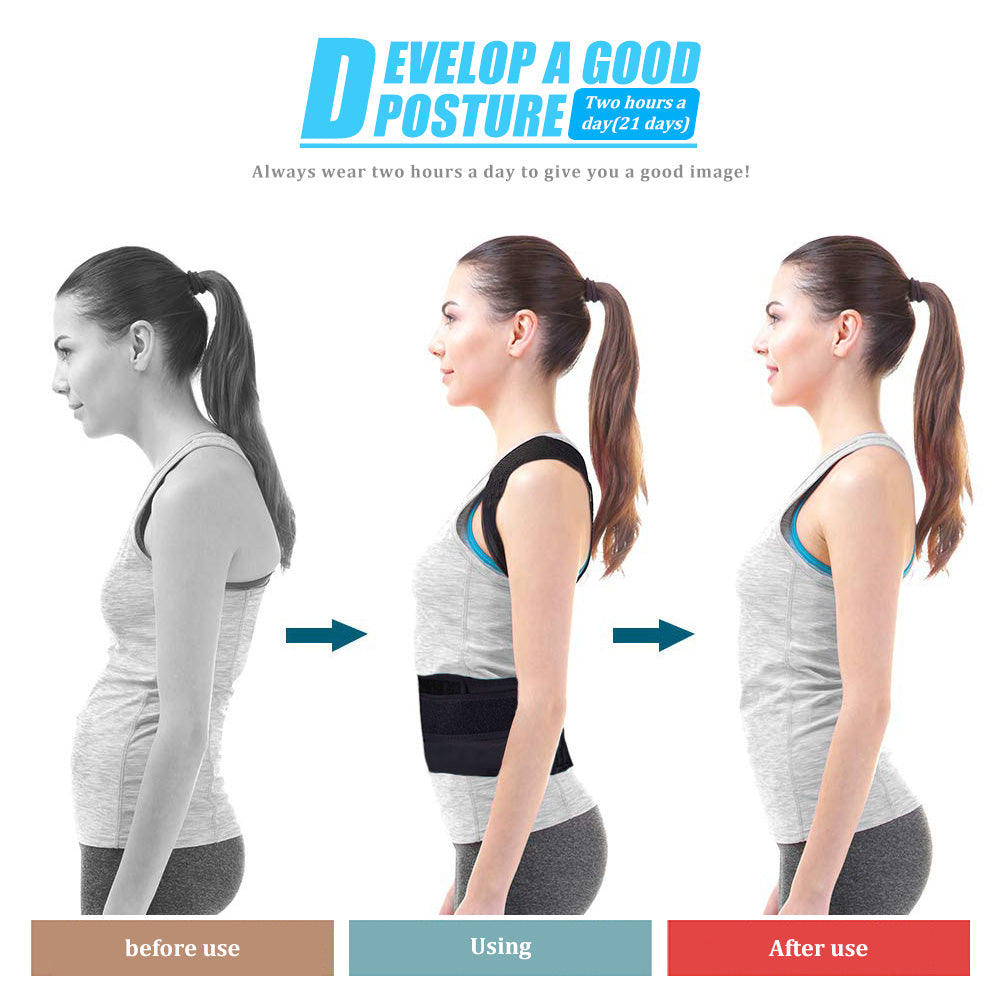
For some people, a posture support product can be a helpful reminder to avoid slouching during daily routines. It may be especially useful during desk work, studying, or other tasks where posture tends to slip without noticing.
A posture corrector should be used as a support tool, not as a substitute for movement, strengthening, and ergonomic improvements. The goal is to build better habits over time, not depend on a brace for every moment of the day.
If you are looking for additional support options, you can explore the full collection to compare available products and find a fit for your routine.
When to be cautious
If you have ongoing pain, numbness, tingling, a past injury, or worsening symptoms, it is best to speak with a qualified healthcare professional. Posture improvement can help many people, but persistent pain may have causes beyond daily alignment habits.
Bottom line
Correct posture is important because it supports comfort, alignment, breathing, and confidence in everyday life. You do not need perfect posture all day long. A better goal is to reduce long periods of slouching, move more often, and make your work and rest positions easier on your body.
Small habits practiced consistently can go a long way.
Frequently asked questions
Can poor posture cause back and neck discomfort?
It can contribute to discomfort by placing extra stress on muscles and joints, especially when poor positioning is repeated for long periods.
How long does it take to improve posture?
It varies. Some people notice changes in comfort fairly quickly after adjusting daily habits, but lasting improvement usually takes regular practice over time.
Should I wear a posture corrector all day?
In general, posture support products are better used as a temporary aid or reminder rather than all-day dependence. Follow product instructions and pay attention to your comfort.
What is the easiest way to start improving posture?
Start with simple steps: raise your screen, sit with your feet supported, take regular movement breaks, and avoid looking down at your phone for long stretches.