Improve Your Posture for Better Comfort and Confidence
Good posture is not about standing perfectly straight all day. It is about helping your body stay balanced, comfortable, and supported during the activities you do most—working, studying, driving, lifting, or relaxing at home.
If you spend long hours seated, notice rounded shoulders, or often feel stiffness in your upper back and neck, improving your posture can be a helpful step toward feeling better day to day. Small changes in sitting habits, movement, and support can make a real difference over time.
Why posture matters in everyday life
When your posture collapses forward for long periods, your shoulders and upper back may work harder than they should. Many people also notice that poor posture makes it easier to feel tired, distracted, or tense. While posture is only one part of overall comfort, it is a useful place to start if you want better movement habits and less strain during the day.
Common signs that your posture may need attention include:
- Rounded shoulders or a forward head position
- Stiffness after sitting for long periods
- Discomfort in the upper back, neck, or shoulders
- Difficulty staying upright without slouching
Simple ways to improve posture
The best posture routine is usually simple and realistic. Try these basics first:
- Set your workspace up well. Keep your screen at eye level and your feet flat on the floor when possible.
- Change position often. Even good posture becomes uncomfortable if you hold it too long.
- Strengthen and stretch regularly. Gentle upper-back, chest, and shoulder work can support better alignment.
- Check your habits. Look at your phone, computer, and driving posture throughout the day.
- Use reminders. A simple timer or posture check can help you reset before slouching becomes the default.
When a posture support brace may help
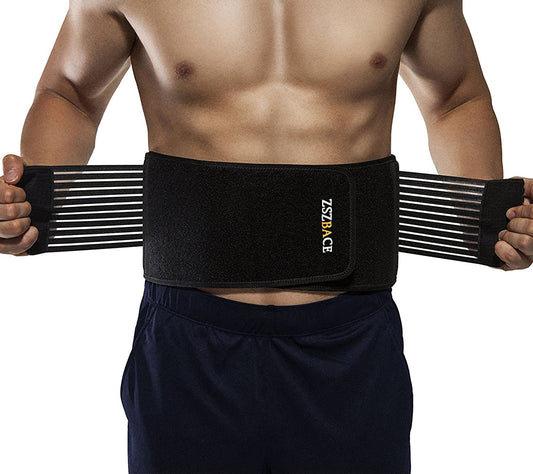
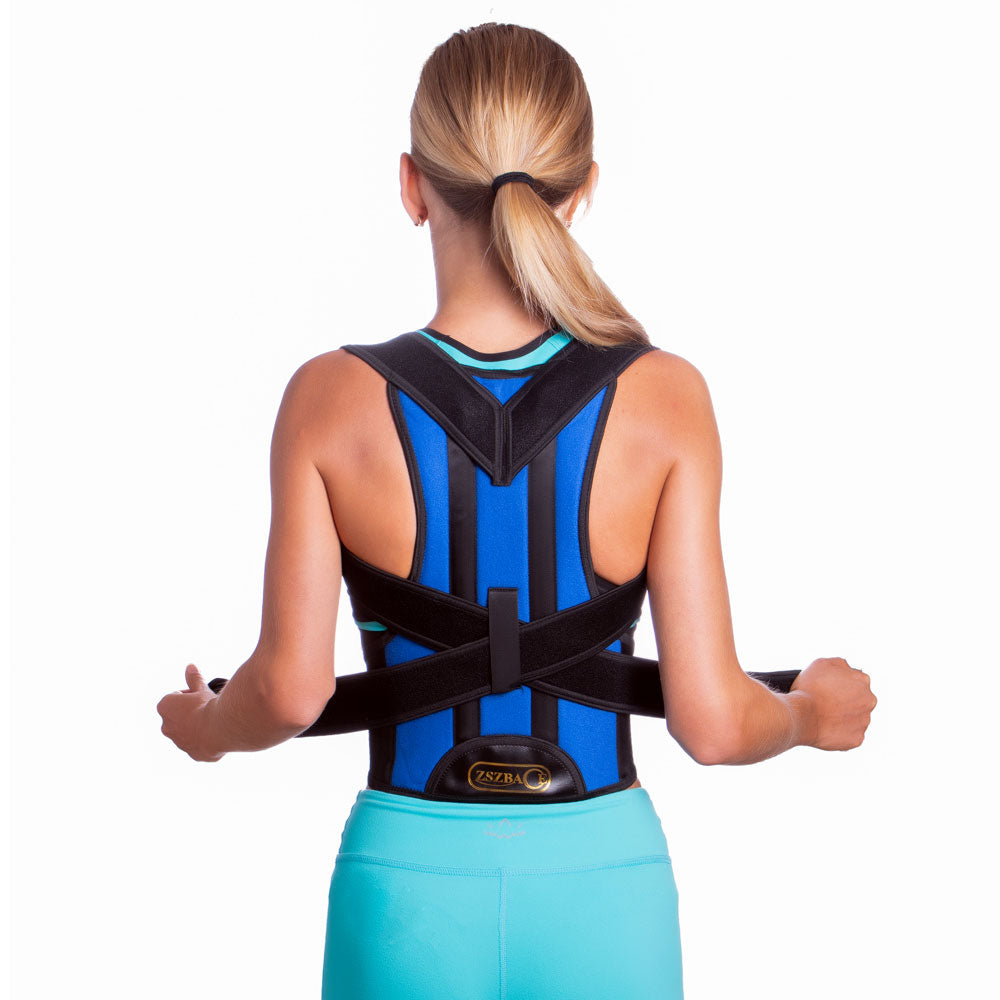
A posture support brace is not a magic fix, but it can be a useful reminder while you build better habits. Some people use one during work or study sessions to stay more aware of shoulder position and upright alignment. If you are looking for an option to support your posture routine, see the back support collection for related products and supportive options.

Back Posture Corrector
A supportive option for people who want a gentle reminder to sit and stand with better alignment.
Why it may help: Useful as part of a daily posture routine for work, study, or home use.
How to choose the right posture support
If you are comparing posture products, look for comfort, adjustability, and breathable materials. A support brace should feel wearable enough for short daily sessions and should not distract you from normal movement. The goal is to help you stay aware of your posture, not to replace movement, stretching, or ergonomic habits.
For more supportive products, browse the back support collection. If you want more guidance on posture-related habits, you may also find these articles helpful: our latest health and support articles.
Common posture mistakes to avoid
- Trying to hold a rigid “perfect” posture for hours
- Ignoring chair, desk, and screen height
- Sitting for long stretches without breaks
- Using a support product without also improving daily habits
FAQ
How can I improve posture while sitting at work?
Start with screen height, chair support, and regular movement breaks. Sit with your weight evenly distributed, keep your feet supported, and reset your position every so often instead of holding one posture all day.
Can a posture corrector fix bad posture?
A posture corrector may help you become more aware of shoulder and back position, but it works best when combined with better habits, movement, and proper workspace setup.
How long should I wear a posture support brace?
Wear time depends on comfort and your routine. Many people use a brace for limited periods during the day while they practice better posture habits. If discomfort continues, it is best to speak with a healthcare professional.
When should I get help for back or neck pain?
If pain is severe, persistent, or getting worse, or if it affects daily activities, contact a qualified healthcare professional for guidance.
Improving posture is a process, not a one-time fix. Start with small adjustments, stay consistent, and use supportive tools only when they help your routine feel easier to maintain.