
How to Improve Bad Posture Habits and Support a Better Back
Bad posture usually develops gradually. Long hours at a desk, frequent phone use, carrying weight on one side, and weak movement habits can all put extra strain on your back, neck, and shoulders.
The good news is that posture can often improve with consistent changes to your routine. The goal is not to force yourself into a rigid position all day. Instead, focus on building habits that make it easier to sit, stand, and move with less strain.
What bad posture can feel like
People often notice posture issues through everyday discomfort rather than a single sudden problem. Common signs can include rounded shoulders, forward head position, tightness in the upper back, and fatigue from sitting or standing for long periods.
If you spend most of the day sitting, you may also notice that your lower back feels unsupported or that you naturally slump when you are tired. These are often signs that your workspace, movement habits, or support routine may need attention.
How to start improving posture
Small changes are usually more effective than trying to “stand perfectly” all day. Start with a few practical habits:
- Keep your screen at eye level when possible.
- Place your feet flat on the floor when sitting.
- Relax your shoulders instead of pulling them back too aggressively.
- Take short standing or walking breaks during the day.
- Strengthen your upper back, core, and glutes with regular exercise.
It also helps to check the moments when posture breaks down most often. For many people, the biggest issues happen while working, driving, scrolling on a phone, or carrying bags.
When a posture support product may help
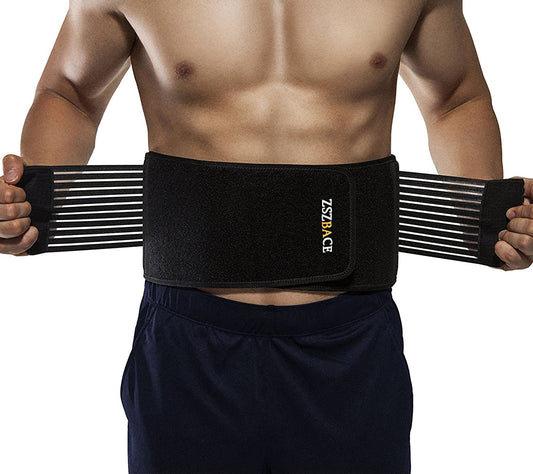
A posture corrector or back support brace can be useful as a reminder tool. It may help you stay more aware of your position while you build better habits. However, it works best as part of a broader routine that includes movement, ergonomic setup, and strengthening exercises.
If you are considering a support product, look for options that are adjustable, breathable, and comfortable enough for short daily wear. Support should feel helpful, not restrictive. It is also smart to ease in gradually rather than wearing it for long periods right away.

Back Brace Posture Corrector
A simple support option for people looking for a reminder to sit and stand straighter during daily routines.
Why it may help: Useful for short wear while you work on posture habits and comfort.
See product details
Common mistakes to avoid
One of the biggest mistakes is relying on a brace or support device while ignoring the habits that caused the problem. Another common issue is forcing the shoulders too far back, which can create tension instead of relief.
It is also important not to wear any support product longer than recommended by the seller or your healthcare professional. Gradual use is usually more practical than trying to wear it all day from the start.
Helpful next step for posture support
If you want to explore more options for posture and back support, take a look at our back braces collection for related products designed to support everyday comfort.
Frequently asked questions
Can a posture corrector fix bad posture on its own?
No single product can fix posture by itself. A posture corrector may help you become more aware of your alignment, but lasting improvement usually comes from better habits, movement, and ergonomics.
How long should I wear a posture support brace?
Use should be gradual and comfortable. Many people start with short periods and increase slowly if the product is suitable. Always follow the product guidance and stop if it causes discomfort.
What is the best way to improve posture at work?
Set up your chair, screen, and keyboard so you are not constantly reaching or slouching. Take breaks, change positions often, and keep your feet supported.
When should I talk to a professional?
If you have persistent pain, numbness, or symptoms that worsen over time, it is best to speak with a qualified healthcare professional for advice.
Building better posture is usually a process, not a quick fix. Start with the habits you can control today, then use support products only when they fit into a realistic routine.