
How to Help Prevent Sports Injuries: Warm-Up Tips, Safe Training Habits, and Support Gear
Sports injuries can happen when your body is not ready for the workload, your form breaks down, or you push through pain. The good news is that many common injuries can be reduced with a few consistent habits: warm up properly, use the right technique, stay hydrated, and choose supportive gear when a body part needs extra help.
This guide covers the most useful prevention tips for everyday training, gym sessions, and recreational sports. If you already feel pain or notice a weak area, it is better to slow down and support the joint or muscle before it gets worse.
What usually leads to sports injuries?
Sports injuries are often caused by a mix of factors rather than one single mistake. Common triggers include poor preparation, fatigue, sudden increases in training intensity, incorrect movement patterns, and inadequate recovery.
- Insufficient warm-up: cold muscles and stiff joints are more likely to strain.
- Improper form: lifting, jumping, running, or twisting with poor technique increases stress on the body.
- Overtraining: doing too much too soon can overload muscles, tendons, and ligaments.
- Poor footwear or gear: unstable shoes or lack of support can increase the risk of slips and awkward movements.
- Training while tired or unwell: weak balance and slower reaction time can make injuries more likely.
Practical ways to reduce injury risk
1. Warm up before every workout
A short warm-up helps your muscles activate and your joints move more freely. Aim for 10 to 15 minutes of light movement, followed by dynamic stretching or sport-specific drills. The goal is to prepare your body for effort, not to tire yourself out before training begins.
2. Use correct movement patterns
If you are not sure about your technique, ask a coach or trainer to check your form. This matters especially for lifting, squatting, pushing, and any movement that places load on the back, abdomen, elbows, wrists, knees, or feet. Small form corrections can reduce unnecessary strain.
3. Choose supportive footwear and stable surfaces
Shoes should match your activity and feel secure, comfortable, and stable. Slippery soles or worn-out shoes can increase the chance of falling or landing awkwardly. A clean, uncluttered training area also helps reduce avoidable accidents.
4. Don’t train through exhaustion or illness
If you are sick, very tired, or physically weak, your balance and coordination may be off. It is usually safer to rest or keep activity light until you feel ready to train normally again.
5. Fuel and hydrate well
Eating enough before exercise and drinking water during the day helps support energy, focus, and muscle function. Dehydration and low energy can make you feel weak and increase the chance of poor movement or cramps.
6. Increase intensity gradually
A common mistake is jumping too quickly into heavier weights, longer runs, or more advanced drills. Build up volume and intensity step by step so your body has time to adapt.
7. Stop when pain changes the movement
Discomfort is a warning sign. If pain affects your posture, range of motion, or ability to control the movement, stop and reassess. Continuing to train through sharp or worsening pain can turn a small issue into a bigger one.
When supportive gear can help
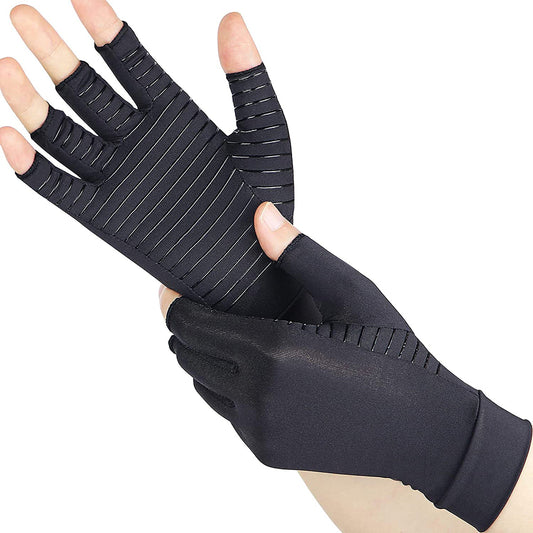
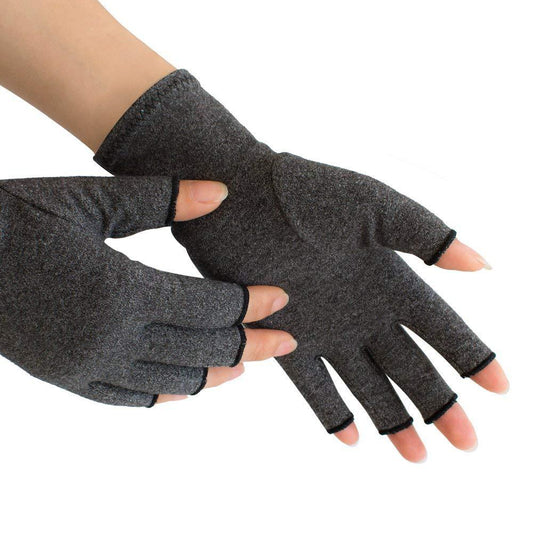
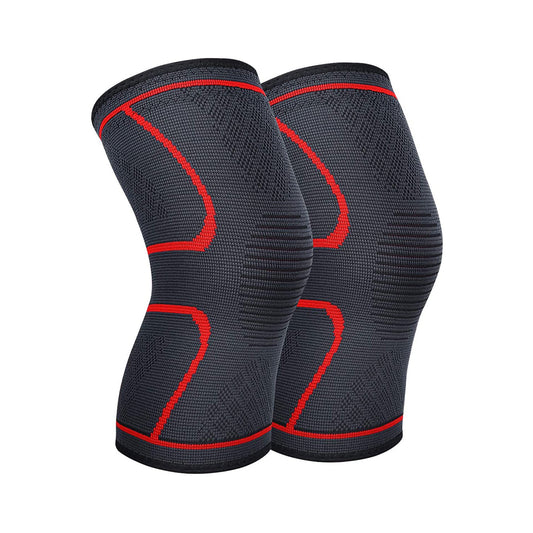
Protective gear does not replace good technique, but it can be helpful when you want extra support for a vulnerable area or a body part that already feels stressed. For example, an elastic support may help provide compression and a more secure feel during training.

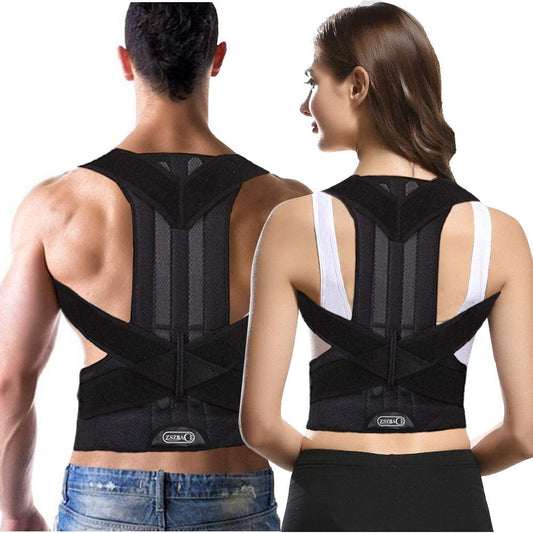
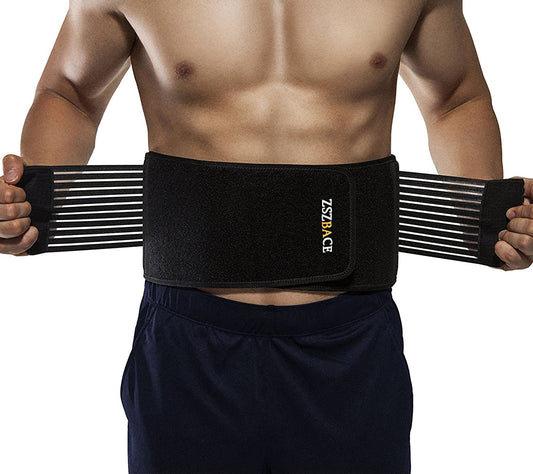
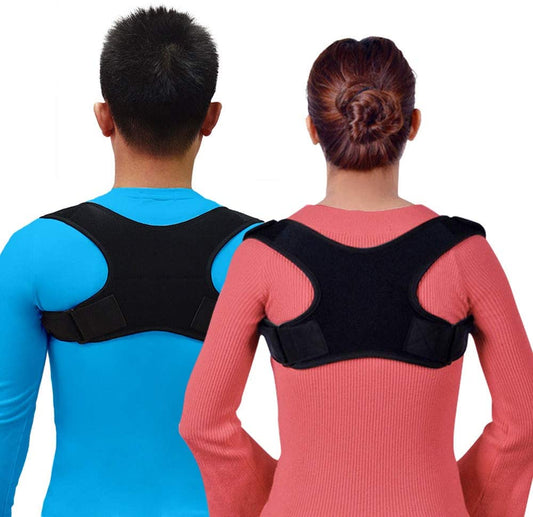
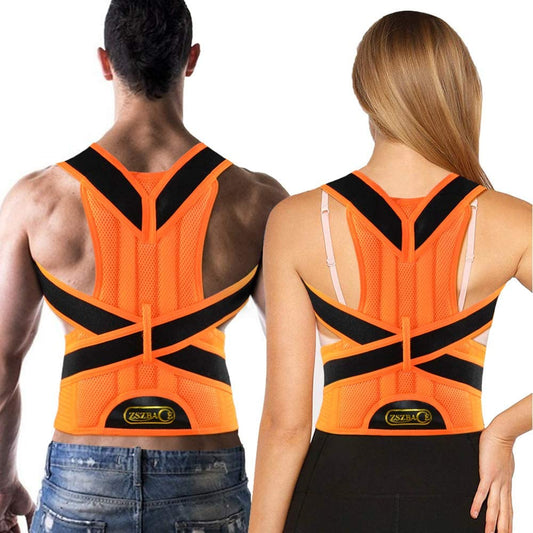
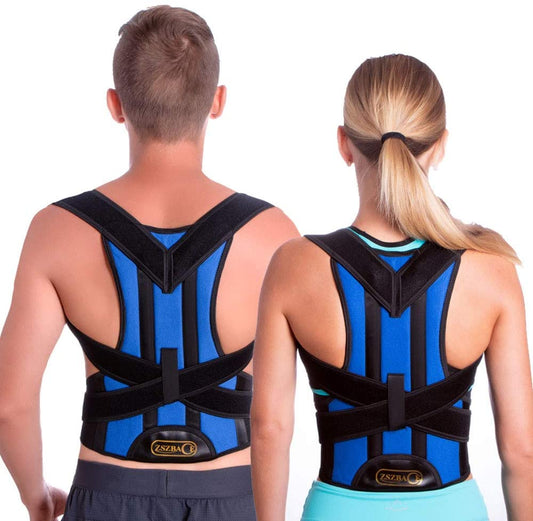
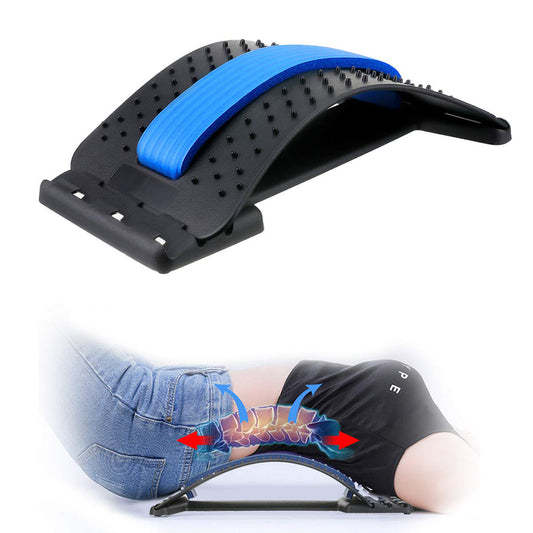
Back Brace
A practical support option for workouts or daily movement when the lower back needs extra stability.
Why it may help: Useful for readers who want added support during lifting, bending, or general training.
For upper-limb support, a sleeve-style option can be useful when the elbow area needs light compression and a more secure fit.
Compression Sleeve Elbow Support
Designed for people who want everyday elbow compression during sports, gym work, or repetitive arm movement.
Why it may help: A good option when the elbow area feels sensitive or needs added support.
How to choose the right support for your workout
If you are comparing protective gear, think about the activity, the area that needs support, and how much movement you still want to keep. A brace or sleeve should feel secure without restricting normal motion more than necessary.
- For the back: look for support that feels stable during lifting or repeated bending.
- For the elbow: choose a sleeve or support that offers compression and a comfortable fit.
- For training comfort: pick breathable materials when you expect longer sessions.
- For daily use: choose something easy to wear and remove as needed.
Next step: explore supportive gear by area
If you want to browse more options for training support, take a look at the support braces collection for gear that may fit different workout needs.
You may also find it helpful to read more about back pain relief tips and how to choose compression gear for safer, more comfortable training.
FAQ
How can I help prevent sports injuries?
The best basics are a proper warm-up, good technique, gradual training increases, hydration, rest, and supportive footwear. These habits can help reduce strain and lower the chance of common injuries.
Should I exercise if I feel pain?
If pain is sharp, worsening, or changing your movement, stop and rest. Mild soreness can be different from injury pain, so pay attention to how your body responds during the session.
Do braces or sleeves prevent all injuries?
No. Support gear may help add stability or compression, but it does not replace warm-ups, good form, or sensible training loads.
When should I ask a coach or professional for help?
If you keep getting the same pain, are unsure about your form, or feel unstable during a movement, it is a good idea to get guidance before training harder.