
Can Knee Pads Be Worn for Long Periods? What to Know Before You Use Them
If you’re asking whether knee pads can be worn for long periods, the short answer is: yes, sometimes—but it depends on the type of knee pad, why you’re wearing it, and how your knee feels.
Some knee pads are designed for sports protection, some for warmth in cold weather, and others for light support or daily comfort. The goal is to help the knee, not to trap heat or pressure for too long. If a knee pad feels too tight, causes numbness, or makes your skin irritated, it should be adjusted or removed.
In other words, knee pads are useful tools, but they work best when used with the right fit and the right timing.
When wearing knee pads for a long time can make sense
Longer wear may be reasonable if you are using a knee pad for one of these reasons:
- Cold protection: In winter or windy conditions, a knee pad can help keep the joint warm.
- Light activity support: During walking, hiking, or training, some people like the feeling of added stability.
- Recovery comfort: After knee strain or mild discomfort, a soft support may make movement feel easier.
For example, a person exercising outdoors in cold weather may benefit from a warm, breathable knee sleeve, while someone doing more demanding movement may prefer a support style made for sports use.
When you should take knee pads off and rest the knee
Even if knee pads are comfortable, it is a good idea to remove them occasionally. That gives the skin and soft tissue a break and helps you notice whether the support is actually helping.
Take the knee pad off or loosen it if you notice:
- numbness or tingling
- swelling after wearing it for a while
- red marks that do not fade quickly
- heat build-up or sweating that becomes uncomfortable
- pain that gets worse instead of better
If your knee pain is persistent, severe, or linked to injury, a knee pad is not a substitute for proper medical evaluation.
How to choose the right knee pad for your needs
Not every knee pad is meant for the same purpose. Choosing the right one depends on your activity and comfort level.
1. For sports and movement
Look for a knee pad that stays in place during activity without restricting movement too much. A good sports-style option should feel secure, but not overly tight.
2. For warmth and everyday comfort
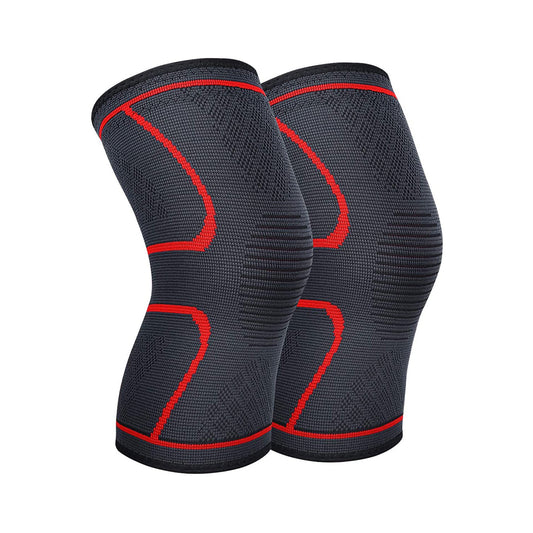
If your main goal is warmth, a softer sleeve-style knee support is often more comfortable for longer wear, especially in cold seasons.
3. For stronger support
If your knee needs more structured support, choose a product designed for compression or stabilization rather than a basic warm layer.
If you want to browse supportive options, start with our knee braces collection for a helpful overview of different styles.

Open Patella Knee Brace
A supportive option to consider when you want knee coverage and a more secure feel during activity.
Why it may help: Good for readers looking for a practical support style to wear during movement or daily use.
Compression Knee Sleeve
A simple everyday support option that can be easier to wear for longer periods when you want light compression and warmth.
Why it may help: Useful for customers who want a less bulky knee support for daily wear.
Common mistakes to avoid
- Wearing it too tight: More pressure is not always better.
- Using the wrong type: A sports pad, warm sleeve, and support brace serve different needs.
- Ignoring discomfort: Pain, tingling, or swelling are signs to reassess the fit.
- Expecting it to solve everything: Knee pads help with comfort and support, but they do not replace rest, training changes, or treatment when needed.
Helpful next step if you need more support
If your goal is to compare different support styles, the easiest next step is to explore our knee braces collection. It can help you find a better match for sports, warmth, or everyday knee support.
You may also find it useful to read our article on how to choose the right knee brace if you want more guidance before buying.
FAQ
Can knee pads be worn all day?
Sometimes, yes, if they fit well and do not cause discomfort. But they should not be worn so tightly or for so long that they cause numbness, irritation, or swelling.
Should knee pads be tight or loose?
They should feel secure, but not painful or restrictive. If they leave deep marks or limit circulation, the fit is too tight.
Are knee pads good for knee pain?
Knee pads may help some people feel warmer, more supported, or more comfortable. If pain is ongoing or worsening, it’s important to seek professional advice.
Can I wear a knee pad while exercising?
Yes, many people wear knee support during exercise. Choose a style made for sports so it stays in place and does not interfere with movement.