Lower Back Brace Pain Relief: How Support Can Help at Work, Home, and During Movement
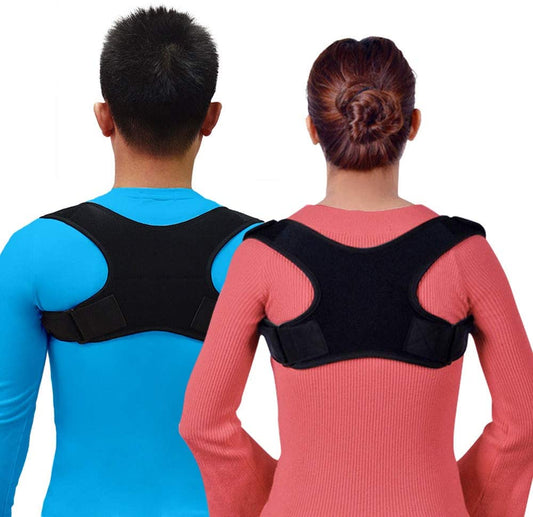
If your lower back feels strained during work, lifting, walking, or long periods of sitting, a lower back brace may help by adding support, compression, and a reminder to keep better posture. It is not a cure for pain, but for many people it can make daily movement feel more manageable.
This guide explains what a lower back brace can do, when it may be helpful, what to look for, and how to use it without relying on it too much.
What a lower back brace is designed to do
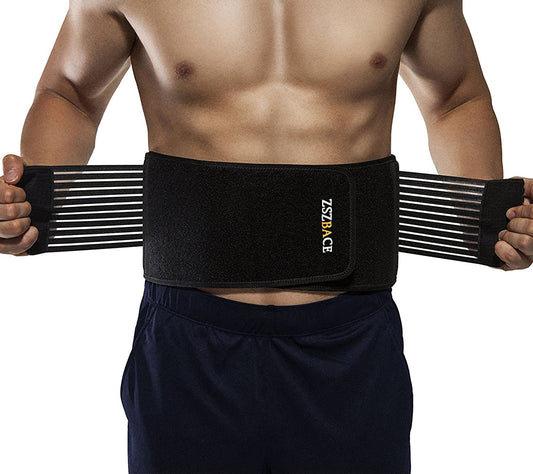
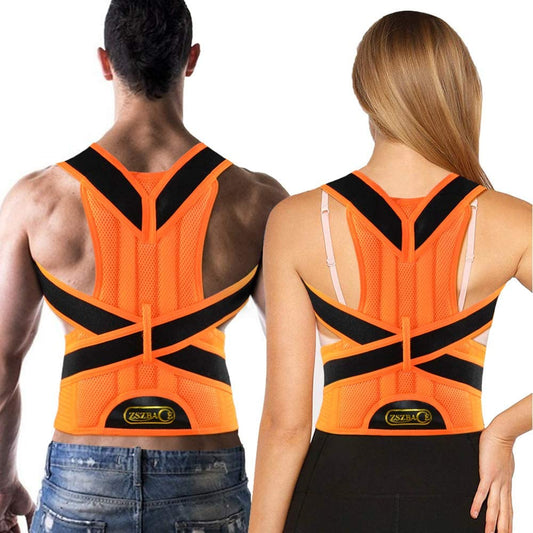
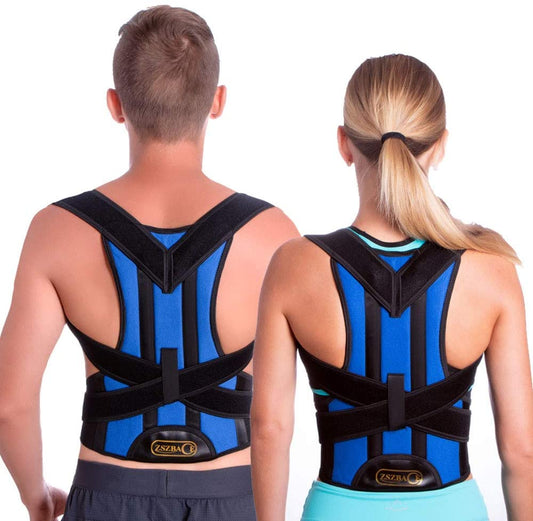
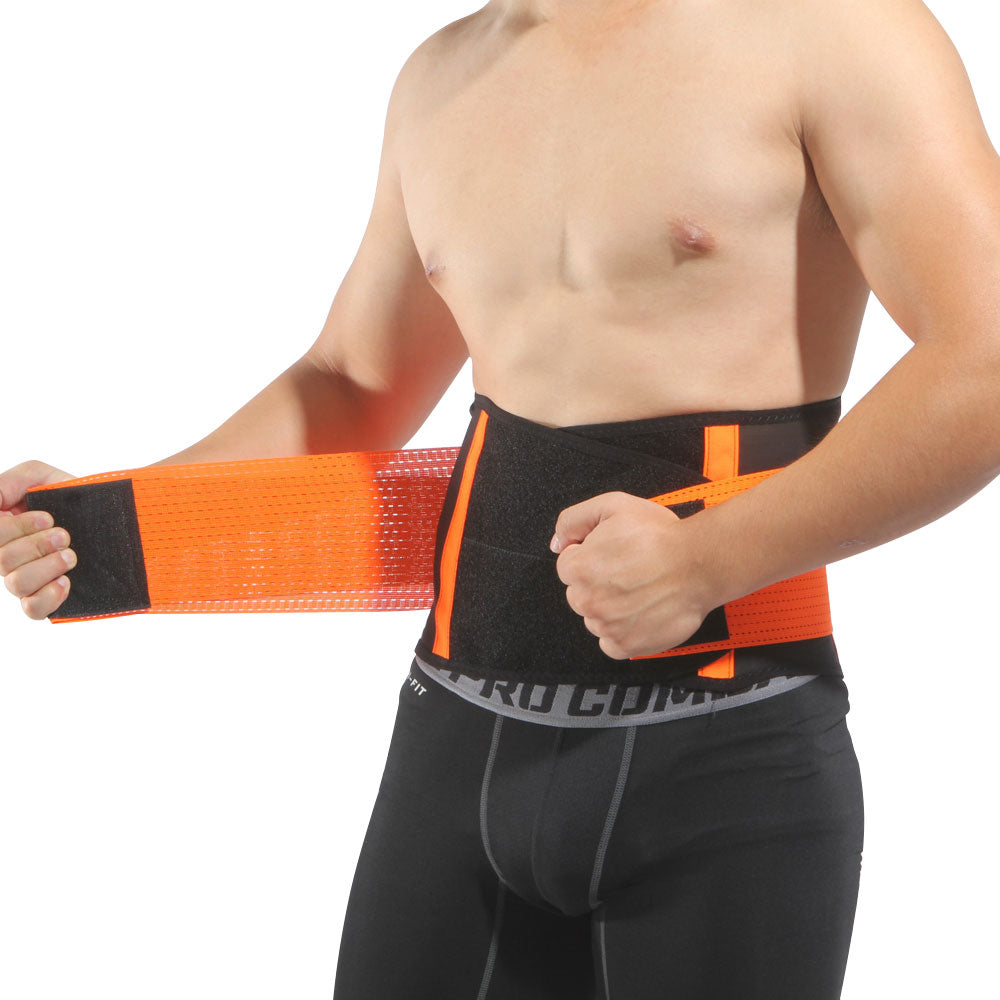
A lower back brace is usually worn around the waist and lower spine to create gentle compression and stability. People often use one during tasks that put extra stress on the back, such as lifting, standing for long periods, repetitive motion, or light exercise.
In some cases, the added support may help reduce the feeling of strain in the lower back, hips, or surrounding muscles. It may also help some wearers stay more aware of posture during the day.
When a back brace may be helpful
A brace can be most useful in situations where your back needs extra support for a limited time, such as:
- manual labor or warehouse work
- gardening, landscaping, or housework
- long shifts with repeated bending or lifting
- travel, commuting, or sitting for extended periods
- light activities when your back feels sensitive or tired
If your pain is severe, sudden, or getting worse, it is important to speak with a healthcare professional before using a brace.
What to look for in a lower back brace
Not every brace feels the same. A good option should fit securely without digging in or restricting normal movement too much.
- Adjustable compression: lets you tighten or loosen support as needed.
- Stable design: helps the brace stay in place during movement.
- Comfortable material: matters if you need to wear it for part of the day.
- Low-profile fit: can be easier to wear under clothing or during work.
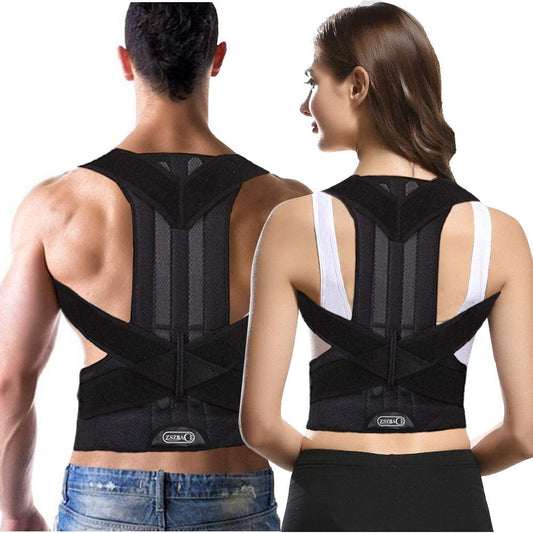
If you want to compare options, start with our back braces collection for supportive styles made for everyday use.
How to use a brace the right way
A back brace works best when it is part of a bigger support plan. Try these simple habits:
- Wear it during the activity that causes strain, not all day without a break.
- Use proper lifting form whenever possible.
- Take short movement breaks if you sit or stand for long periods.
- Combine the brace with stretching, strengthening, and better posture habits.
For posture-focused support, you may also want to read our article on how to improve right posture support throughout the day.
Who may benefit most
Lower back braces are often chosen by people who need practical support during physical routines, including construction workers, nurses, gardeners, clerks, desk workers, runners, and warehouse staff. They may also be helpful for men who spend a lot of time lifting, twisting, or standing.

Lower Back Brace
A supportive option to consider if you want everyday lower-back compression and stability during work or movement.
Why it may be useful: Helpful when you want a simple brace to support the lower back during daily tasks.
If you are looking for a more general support option for different activities, browse the back support collection as a helpful next step.
Common mistakes to avoid
Even a well-designed brace can feel disappointing if it is used the wrong way. Avoid these common mistakes:
- choosing a brace that is too tight
- wearing it as a substitute for movement and strengthening
- ignoring sharp, numb, or radiating pain
- using it for every activity instead of only when needed
The goal is support, not dependency. A brace should help you move more comfortably while you continue to address the root cause of the strain.
FAQ
Can a lower back brace help with pain relief?
It may help some people feel more comfortable by adding compression and support. Results vary, and it is not a guaranteed solution for pain.
Should I wear a lower back brace all day?
Usually, no. Many people wear a brace only during activities that cause strain, then remove it to let their muscles keep working normally.
Can I use a back brace for work?
Yes, many people wear one for work tasks that involve lifting, bending, standing, or repeated motion. It is important that the brace fits well and does not limit safe movement.
When should I talk to a doctor?
If pain is severe, persistent, sudden, or comes with numbness, weakness, or other concerning symptoms, speak with a healthcare professional before using a brace.
If you are still comparing support options, the best next step is to review the back braces collection and choose the level of support that matches your routine.