
How a Pregnancy Support Belt May Help With Belly, Back, and Pelvic Discomfort
As pregnancy progresses, it’s common to feel more pressure through the lower abdomen, pelvis, and back. For some people, a pregnancy support belt can make day-to-day movement feel a little easier by helping support the bump and reducing some of the strain that builds up while walking, standing, or doing regular tasks.
It is not a cure for pregnancy pain, and it should not replace medical advice. But when used correctly, a support belt may be a helpful comfort tool during the second or third trimester.
What a pregnancy support belt is designed to do
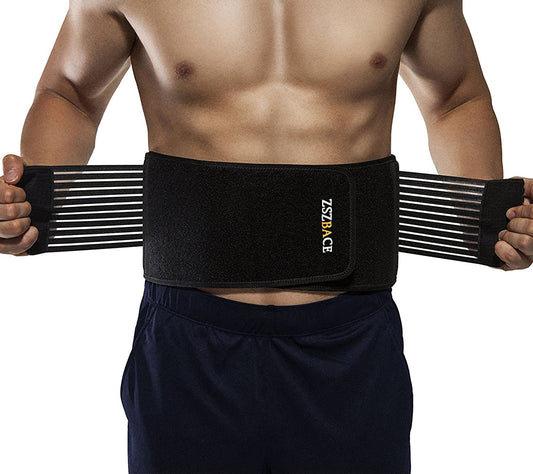
A maternity support belt wraps around the lower belly and hips to provide gentle support. The goal is usually to:
- support a heavy-feeling abdomen
- reduce some strain on the lower back
- encourage more comfortable posture while standing or walking
- ease some pressure around the pelvis and lower abdomen
Many pregnant people notice discomfort gets worse later in the day, after long periods on their feet, or when the bump feels especially heavy. In those situations, added support can sometimes help you move more comfortably.
When it may be helpful
A support belt may be worth considering if you regularly notice:
- a heavy or pulling feeling in the belly
- lower back tiredness during standing or walking
- pelvic pressure as the bump grows
- posture changes that make daily activity more uncomfortable
Some people also like the adjustability of a belt because it can be loosened or tightened as the body changes throughout pregnancy.
What it cannot do
It helps to set realistic expectations. A pregnancy belt may offer support and comfort, but it does not treat every cause of abdominal pain or pelvic pain. New, severe, one-sided, or persistent pain should be discussed with a qualified healthcare professional, especially if it comes with bleeding, contractions, dizziness, fever, or reduced fetal movement.
If you are unsure whether your discomfort is normal pregnancy pressure or something that needs medical attention, it is always safer to ask your provider first.
Tips for wearing a pregnancy belt comfortably
If you decide to use one, comfort and fit matter more than wearing it as tightly as possible.
- Position it low under the belly: It should help lift and support, not squeeze the abdomen.
- Adjust gradually: A snug fit is usually enough. Over-tightening can feel restrictive and uncomfortable.
- Use it for activity: Many people prefer wearing it during walks, errands, housework, or other times they are on their feet.
- Take breaks: It is usually better to use a support belt as needed rather than all day without a break.
- Pay attention to your body: If it increases discomfort, causes skin irritation, or feels too tight, stop and readjust.
Common mistakes to avoid
- Wearing the belt too high on the stomach instead of under the bump
- Pulling it too tight in hopes of getting more support
- Using it to ignore pain that should be medically evaluated
- Assuming one fit works for every stage of pregnancy
The best support belt is one that feels secure, adjustable, and comfortable enough to use consistently when needed.
What to look for in a maternity support belt
When comparing options, consider:
- Adjustability: helpful as your body changes over time
- Support level: enough lift to feel useful without feeling bulky
- Comfort: soft materials and a fit that does not dig in
- Ease of use: simple to put on and adjust during the day
If your main issue is belly heaviness, lower back strain, or pelvic pressure during regular activity, an adjustable support style may be a practical option.

Adjustable Pregnancy Band
Flexible support designed to adjust through different stages of pregnancy.
Why it may help: A simple option for people looking for belly support, posture help, and day-to-day comfort as the bump grows.
See product details
Final thoughts
Pregnancy can place extra demand on your abdomen, back, and pelvis, especially later on. A support belt may help by making movement and standing feel more manageable, but it works best as one part of an overall comfort routine that may also include rest, position changes, and guidance from your healthcare provider when symptoms feel unusual.
FAQ
Can a pregnancy support belt help with abdominal discomfort?
It may help with the feeling of heaviness or strain that comes from a growing bump, especially during walking or standing. It should not be used to self-treat severe or unexplained abdominal pain.
When should you start wearing a pregnancy belt?
Many people consider one in the second or third trimester, when the belly feels heavier and back or pelvic pressure becomes more noticeable. The best timing depends on your comfort and your provider’s advice.
Can you wear a maternity belt all day?
Many people use it only during activities that cause discomfort rather than continuously all day. If you have questions about duration or fit, check with your healthcare provider.
How tight should a pregnancy support belt be?
It should feel supportive, not restrictive. A belt that is too tight may feel uncomfortable and may not provide better support.