How Lumbar Braces Can Support Lower Back Pain and Stability
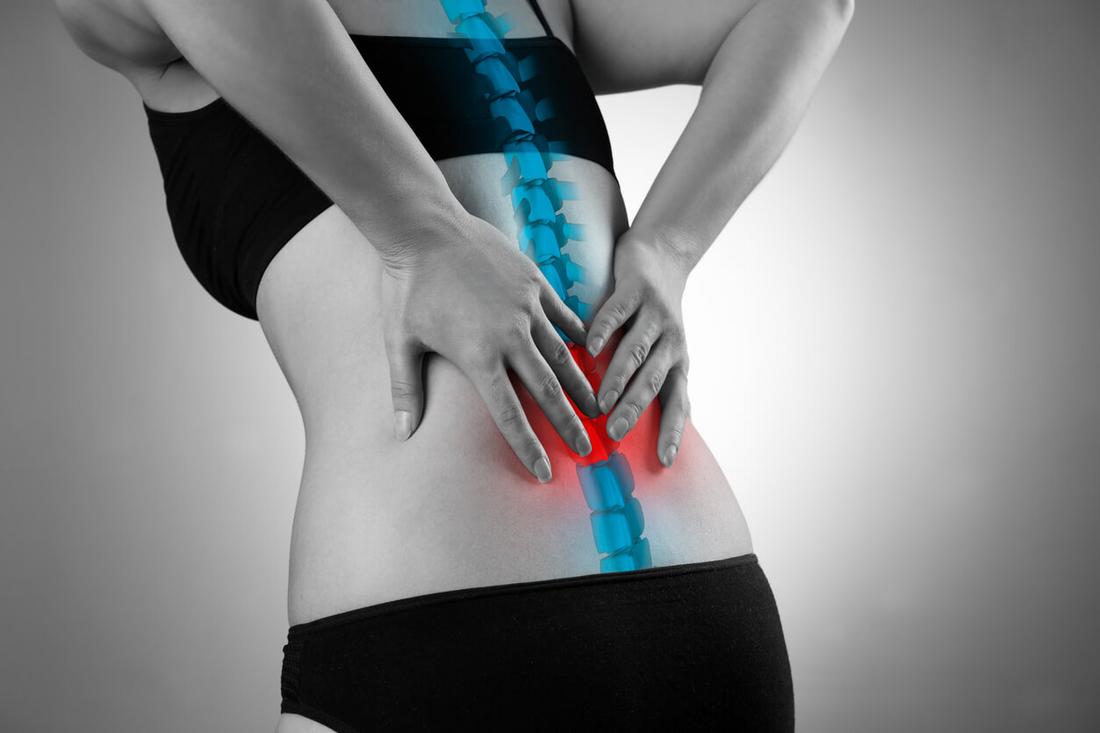
Lower back pain can make simple movements feel difficult, from standing up after sitting to bending, lifting, or walking for long periods. For some people, a lumbar brace can be a practical way to add support, improve confidence during movement, and reduce strain on the lower back.
This article explains what lumbar braces may help with, when they are commonly used, and what to consider before choosing one. If you are looking for more background on support options, you may also find our news articles useful for related guidance.
What a lumbar brace can do
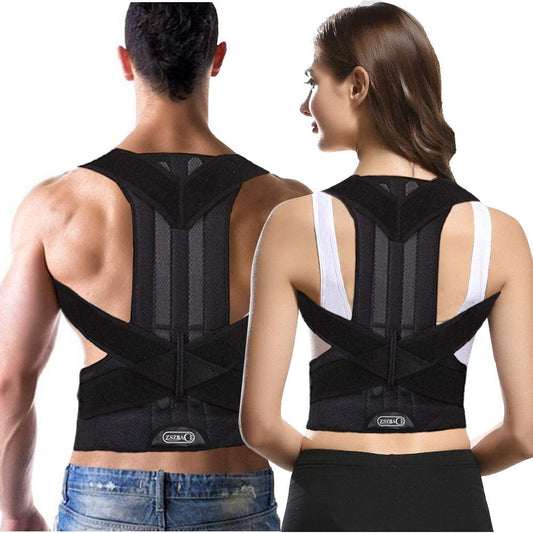
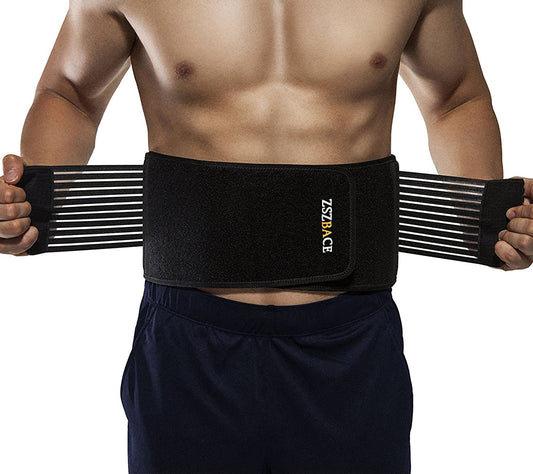
A lumbar brace is designed to provide external support around the lower back and abdomen. It may help limit excessive bending or twisting, which can be useful when back pain is aggravated by movement or when extra stability is needed during daily tasks.
People often use braces for support during:
- Lower back strain or discomfort
- Periods of reduced stability
- Activity that places extra demand on the back
- Recovery plans recommended by a healthcare professional
Situations where a brace may be helpful
Depending on the cause of discomfort, a brace may be worth considering when the lower back feels weak, unstable, or easily irritated by movement. It is commonly used as part of a broader approach that may also include rest, movement modification, stretching, or guidance from a clinician.
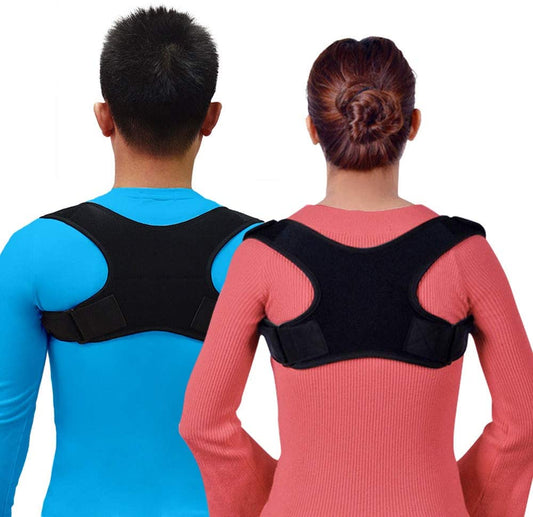
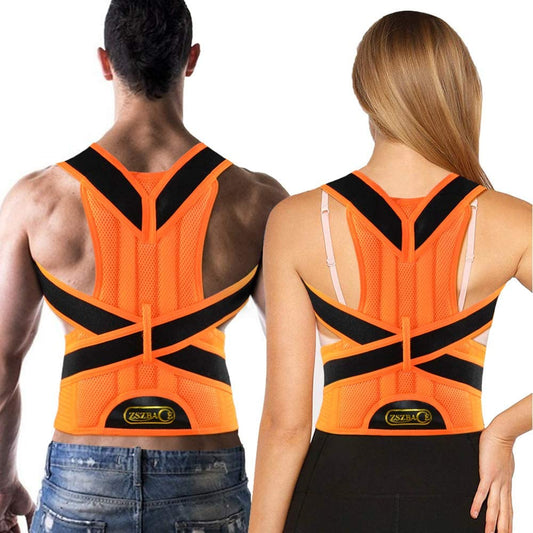
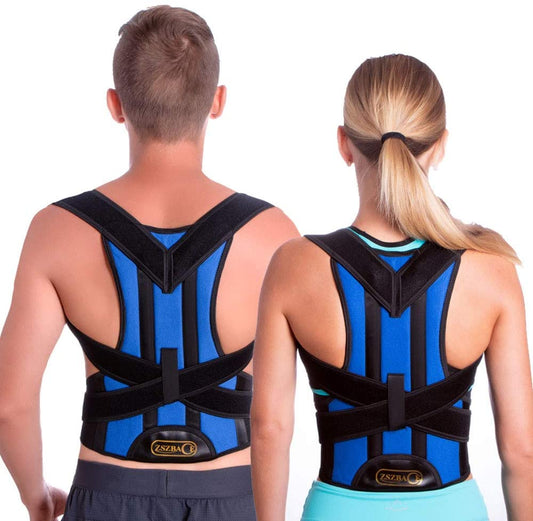
For readers comparing support options, our back braces collection is a helpful place to review available styles and see which type may suit different needs.
Potential benefits of wearing a lumbar brace
While a brace is not a cure, it can offer several practical benefits for day-to-day comfort and support.
1. Added stability during movement
A brace can help remind the body to move with more control, especially when bending, lifting, or turning. That extra feedback may help reduce the feeling of instability.
2. Support for painful or irritated lower backs
When back pain flares up, some people find that gentle compression and support make everyday activities feel more manageable. A brace may help reduce the sense of strain during routine movement.
3. Better confidence in daily tasks
Back pain can make people hesitant to move. A supportive brace may help increase confidence when standing, walking, or completing light tasks, especially during a recovery period.
4. Useful support during recovery or activity modification
In some cases, a brace may be used temporarily to support the lower back while someone follows a recovery plan or reduces high-strain activity. It should be used as part of an overall approach, not as the only solution.
What to look for in a lumbar brace
Not every brace is the same. The best option depends on how much support you need and when you plan to wear it.
- Fit: A brace should feel secure without being overly tight.
- Support level: Some braces offer lighter compression, while others are designed for firmer support.
- Comfort: Breathable materials and adjustable straps can matter if you plan to wear it for longer periods.
- Purpose: A brace for general support may be different from one meant for more structured lower back assistance.

Back Braces Collection
Explore support options for the lower back, including braces that may help with stability, comfort, and everyday movement.
Why it may help: A collection view makes it easier to compare brace styles before choosing one.
Common mistakes to avoid
Many people get more value from a brace when they use it correctly. A few common mistakes can make it less effective or less comfortable.
- Wearing it too tightly: A brace should support, not restrict breathing or circulation.
- Using it all day without guidance: Overuse may not be ideal for everyone.
- Expecting it to fix the problem alone: Braces can support movement, but they are only one part of care.
- Choosing the wrong support level: A brace that is too soft or too rigid may not match your needs.
When to seek professional advice
If back pain is severe, persistent, or getting worse, it is important to speak with a healthcare professional. You should also seek advice if the pain started after an injury, if you have numbness or weakness, or if you are unsure whether a brace is appropriate for your situation.
For related reading, see our article on back support and recovery guidance for more general information on managing discomfort and choosing supportive gear.
Recommended support option
If you are looking for a practical way to compare lower back support products, the back braces collection is a useful next step. It can help you review available options based on your preferred level of support and everyday use.
Browse Back Braces
Compare lower back support options that may help with comfort, stability, and movement control.
Why it may help: A simple place to start when you want to choose a brace that fits your needs.
FAQ
Can a lumbar brace help with lower back pain?
A lumbar brace may help some people by adding support and limiting movements that can irritate the lower back. It is usually most helpful as part of a broader plan.
Should I wear a back brace all day?
That depends on your situation and the advice you have received. Some people use a brace for specific tasks or time periods rather than all-day wear.
How do I know which back brace to choose?
Consider how much support you need, how long you will wear it, and whether comfort or firmer stability matters more for your routine.
Is a back brace a replacement for medical care?
No. A brace can be supportive, but it does not replace a medical evaluation if pain is severe, ongoing, or linked to an injury.
When should I talk to a doctor about back pain?
Talk to a doctor if pain is persistent, worsening, or accompanied by symptoms such as weakness, numbness, or reduced mobility.