How to Get Maximum Support for Your Wrist
If your wrist feels painful, weak, numb, or unstable, the right kind of support can make everyday tasks easier. A wrist brace is often used to limit stressful movement, provide gentle stability, and give irritated tissues a chance to rest. That can be helpful for people dealing with overuse, mild sprains, arthritis-related discomfort, or symptoms that flare up during work, exercise, or sleep.
At the same time, more support is not always better. The best wrist support is the one that matches your symptoms, your daily routine, and the amount of movement you still need for typing, gripping, or sleeping comfortably.
When wrist support may help
A wrist brace may be worth considering if you notice:
- pain during gripping, lifting, or twisting
- weakness or a feeling that the wrist may give way
- tingling or numbness that gets worse at night or after repetitive activity
- stiffness related to arthritis or overuse
- mild strain or sprain symptoms that benefit from extra stability
Supportive braces work by helping keep the wrist in a more neutral position. This may reduce irritating motion and make day-to-day activity feel more manageable while you recover or protect the area from further strain.
What maximum support actually means
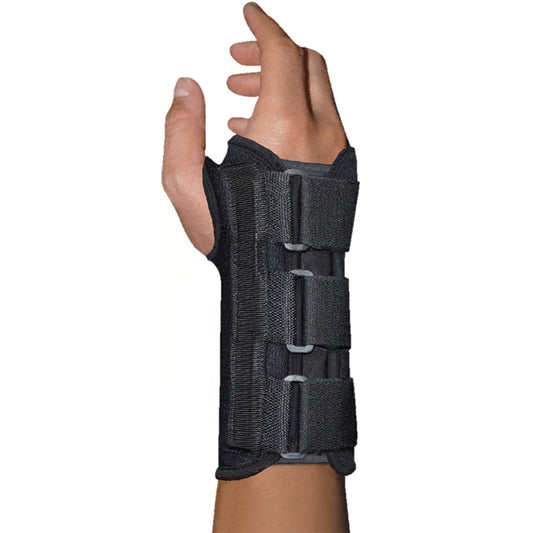
For many people, “maximum support” does not mean fully locking the hand down. It usually means controlling the movement that aggravates symptoms while still allowing enough function for basic tasks. Depending on the design, a brace may support the wrist alone or also help stabilize the thumb side of the hand.
If discomfort is centered near the base of the thumb as well as the wrist, a brace that supports both areas may be more useful than a simple sleeve. If your main issue is nighttime numbness or irritation from repetitive motion, a neutral-position wrist brace may be the better fit.
Features to look for in a wrist brace
When choosing a wrist support, these features usually matter more than marketing language:
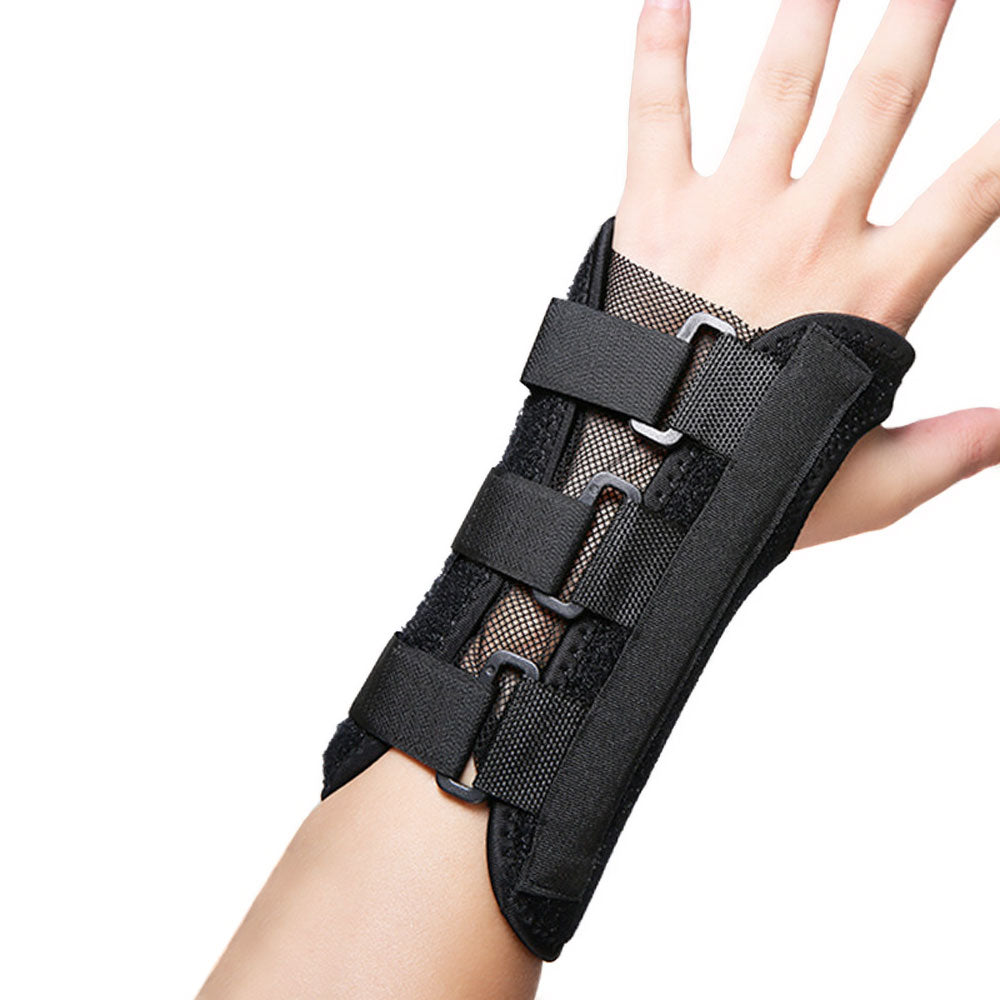
- Adjustable straps: help you fine-tune compression and support without making the brace overly tight.
- Structured splints or stays: can add stability and reduce stressful bending.
- Open-finger design: useful if you still need dexterity for daily tasks.
- Day and night comfort: important if your symptoms flare during sleep as well as activity.
- Thumb support when needed: helpful if pain involves both the wrist and the thumb joint.
A common mistake is choosing a brace so rigid or tight that it becomes uncomfortable after an hour or causes more irritation. Support should feel secure, not restrictive enough to create pressure points, pinching, or increased numbness.
How to use wrist support without overdoing it
A brace can be a helpful tool, but it works best as part of a broader approach. Consider using it:
- during activities that usually trigger pain
- at night if symptoms tend to worsen while sleeping
- during short recovery periods after mild strain or overuse
It is usually a good idea to remove the brace at appropriate times so you can gently move the hand and wrist, unless a clinician has told you otherwise. Wearing support all day, every day for too long may leave the area feeling stiff or dependent on the brace.
You should also stop and reassess if the brace causes more pain, skin irritation, color changes, or worsening numbness.
Helpful for arthritis, sprains, and nighttime symptoms
People often reach for wrist support for different reasons:
- Arthritis: support may make daily tasks more comfortable by reducing strain at irritated joints.
- Sprains and strains: a brace can help protect the wrist from repeated aggravation while it settles down.
- Nighttime symptoms: some people find that sleeping with the wrist in a more neutral position helps reduce overnight discomfort.
- Repetitive-use irritation: support can be useful during typing, driving, lifting, or other repeated motions that trigger symptoms.
If your symptoms are severe, follow an injury, or keep returning, it is smart to get a proper evaluation rather than relying on support alone.
Signs you may need more than a brace
A brace is not a substitute for medical care. Seek professional advice if you have severe swelling, a visible deformity, sudden weakness, loss of hand function, persistent numbness, or pain that does not improve. These symptoms may point to a condition that needs a more specific treatment plan.
Choosing the right level of support for daily life
The best brace is the one you will actually wear consistently when you need it. If you need support during work or daily chores, look for a design that balances stability with enough finger movement. If your symptoms involve both the thumb and wrist, combined support may be more practical than using separate products.
For shoppers looking for a support option that stabilizes the wrist while also helping control movement around the thumb side, this product may be a useful starting point:

Wrist & Thumb Brace
Support for the wrist with added stabilization around the thumb side of the hand.
Why it may help: A practical option for people who want structured support for daily wear or nighttime use when both the wrist and thumb area feel irritated.
Final takeaway
Maximum wrist support is really about smart support: enough structure to protect the joint, enough comfort to wear it consistently, and enough flexibility to fit your routine. If your pain is mild to moderate and related to overuse, arthritis, a strain, or nighttime irritation, the right brace may help you feel steadier and more comfortable while you rest and recover.
FAQ
Should I wear a wrist brace all day?
Not always. Many people use a brace during activities that trigger symptoms or at night while sleeping. If you wear one too long without breaks, the wrist may start to feel stiff. Follow any instructions from your clinician if you have a diagnosed injury.
Can a wrist brace help with arthritis?
It may help reduce strain and improve comfort during everyday tasks by supporting the joint. The best choice depends on where your symptoms are located and how much movement you still need.
Is it better to sleep with a wrist brace on?
It can be helpful if your symptoms get worse overnight or you wake up with pain, tingling, or numbness. The brace should feel supportive but not tight enough to increase discomfort.
What if my pain is in both the wrist and thumb?
You may want a brace designed to stabilize both areas rather than a wrist-only support. This can be especially useful when pain extends toward the base of the thumb.