Nonsurgical Treatment for Spine Compression Fractures
Many people with a spine compression fracture do not need surgery. In many cases, treatment focuses on protecting the injured vertebra, managing pain, staying safely mobile, and giving the bone time to heal.
Nonsurgical care is often used when the fracture is considered stable and symptoms can be managed without an operation. A doctor may recommend a combination of activity changes, pain relief, follow-up visits, and a brace to limit stressful movement while healing progresses.
If you are looking for supportive options, you can browse back braces for fractured vertebrae as a next step after speaking with your clinician about the type of support that fits your injury.
What nonsurgical treatment usually includes
Conservative treatment is meant to reduce pain and protect the spine while the fracture heals. The exact plan depends on your age, bone health, pain level, and the location of the fracture.
- Activity modification: reducing bending, twisting, lifting, and high-impact activity
- Pain management: using over-the-counter or prescribed medication as directed by a medical professional
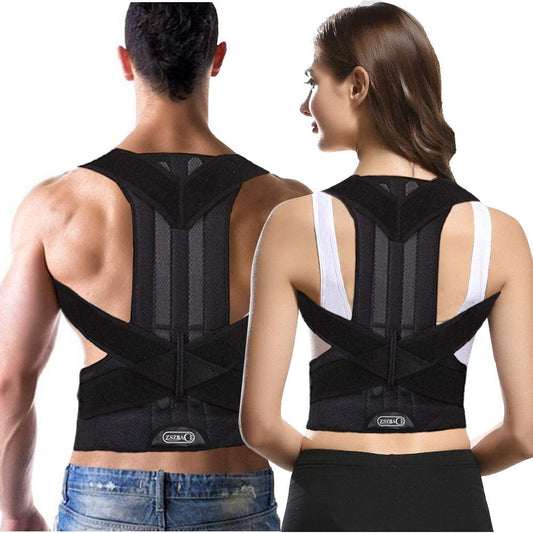
- Back bracing: adding external support to help limit movement and improve comfort
- Safe movement: continuing gentle activity such as walking when your doctor says it is appropriate
- Monitoring: attending follow-up visits so healing and spinal alignment can be checked
Many compression fractures begin to improve over several weeks, though recovery time can vary. Some people feel significantly better within two to three months, while others, especially those with osteoporosis, may need longer.
Activity changes that help the fracture heal
One of the most important parts of nonsurgical treatment is avoiding movements that place extra stress on the healing vertebra. That usually means being careful with:
- Heavy lifting
- Repeated bending forward
- Twisting through the torso
- High-impact exercise or sports
At the same time, complete bed rest is usually not ideal unless a doctor specifically instructs it for a short period. Too much inactivity can lead to stiffness, weakness, and other complications. For many people, gentle walking is encouraged because it helps maintain circulation and overall mobility.
A common mistake is returning to chores, gym exercise, or long periods of sitting too quickly because the pain starts to ease. Less pain does not always mean the bone is fully healed.
Best pain relief for fractured vertebrae: what people should know
Searches for the best pain relief for fractured vertebrae are common because these injuries can be very uncomfortable, especially in the first days or weeks. Pain relief does not repair the fracture itself, but it may make it easier to breathe deeply, walk, sleep, and move more normally during recovery.
Your doctor may suggest over-the-counter options such as acetaminophen or anti-inflammatory medicine, or may prescribe stronger medication for a limited period when pain is more severe. Some people with osteoporosis-related fractures may also be given other treatments by their physician depending on the larger bone-health picture.
Because medication needs vary, the safest approach is to follow a clinician's guidance rather than trying to self-manage severe pain for too long. Ongoing pain that remains intense, worsens, or interferes with daily function should be reassessed.
How a back brace may help during recovery
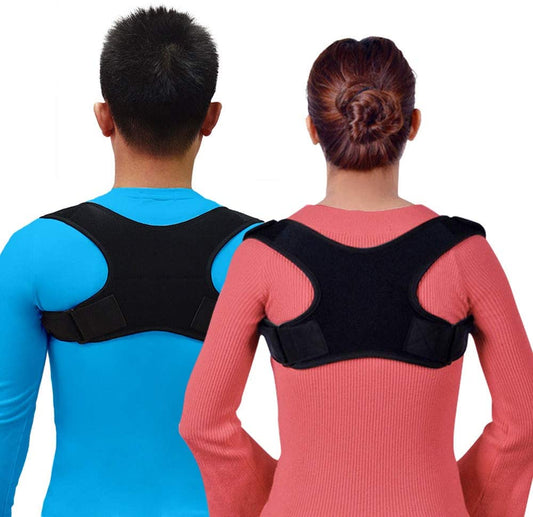
A back brace is often recommended as part of nonsurgical treatment for a spine compression fracture. The goal is not to "fix" the fracture instantly, but to provide support, reduce stressful movement, and help some people feel more secure during daily activities.
Depending on the injury, a brace may help by:
- Limiting excessive bending or twisting
- Supporting posture during standing and walking
- Making everyday movement more tolerable
- Reminding the wearer to avoid positions that aggravate pain
If you want more detail on wear time and expectations, see how long to wear a back brace for a compression fracture and how back braces can help with a lumbar compression fracture.

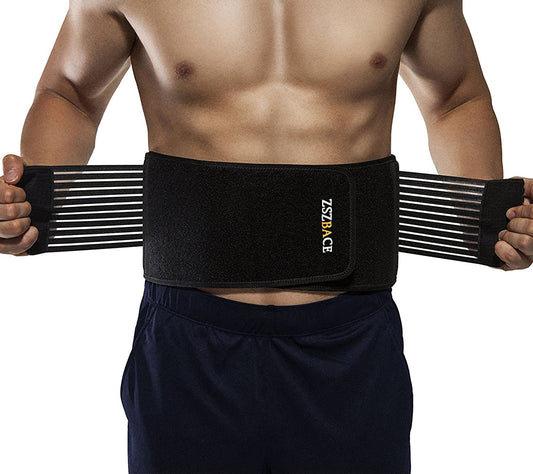
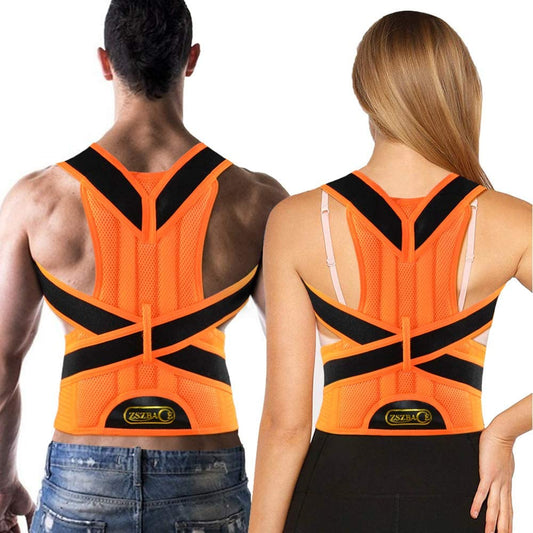
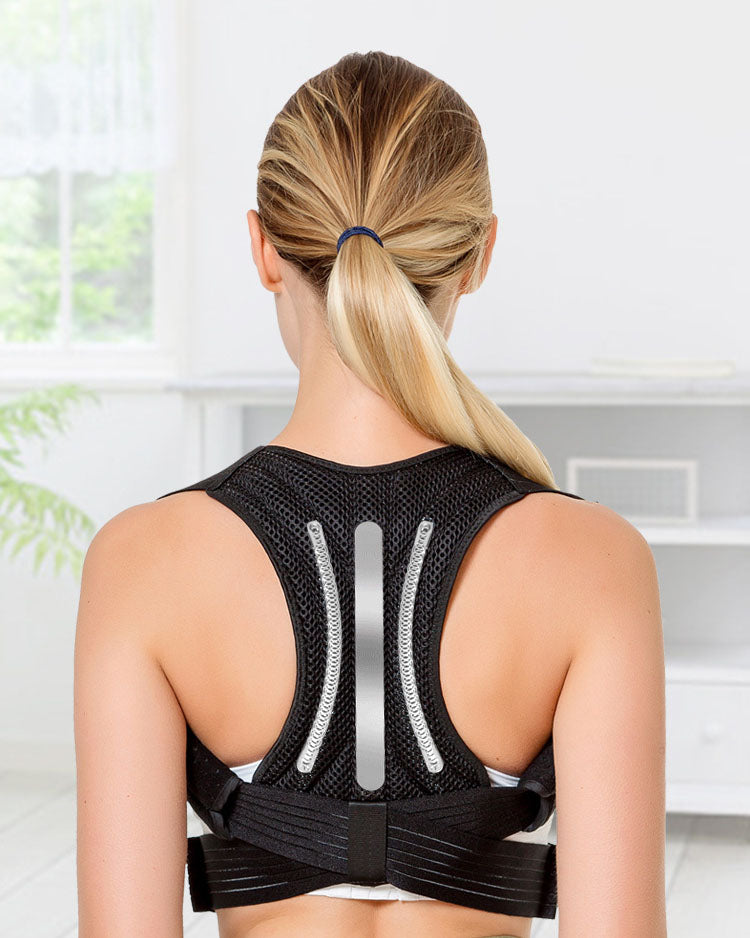
Adjustable Lumbar Back Brace
Adjustable lower back support with breathable mesh and wrap-style compression.
Why it may help: A structured, adjustable brace may be useful for readers who want added lower-back support during everyday movement while following a clinician-guided recovery plan.
What healing without surgery can look like
Recovery is rarely identical from person to person. Some people improve steadily with less pain each week. Others have a slower course, especially if the fracture is related to osteoporosis, multiple vertebrae are involved, or normal movement remains difficult.
During this period, follow-up care matters. A clinician may monitor:
- Your pain level
- Your ability to stand, walk, and do basic tasks
- Whether posture or spinal shape is changing
- How the fracture appears to be healing
If osteoporosis is part of the cause, long-term management is also important so future fractures become less likely. Readers dealing with fragile bones may also find it helpful to read how a back brace can help patients with osteoporosis.
When conservative treatment may not be enough
Nonsurgical treatment can work well, but it is not always enough on its own. You should contact a medical professional promptly if you have:
- Pain that stays severe or keeps getting worse
- New numbness, tingling, or weakness
- Trouble walking
- Loss of bowel or bladder control
- Pain that still significantly limits daily life after several weeks of treatment
These symptoms can suggest the need for a closer evaluation. In some situations, a doctor may discuss other interventions if pain remains significant after weeks of bracing, medication, and activity modification.
Choosing support options carefully
If your doctor recommends bracing, comfort and adjustability matter. The brace should feel supportive without making normal breathing or basic movement unreasonably difficult. It should also fit the area that needs support.
For readers comparing options, the main shopping hub for this topic is vertebral fracture back brace support. It can help you review brace styles that may be relevant for spinal recovery support.

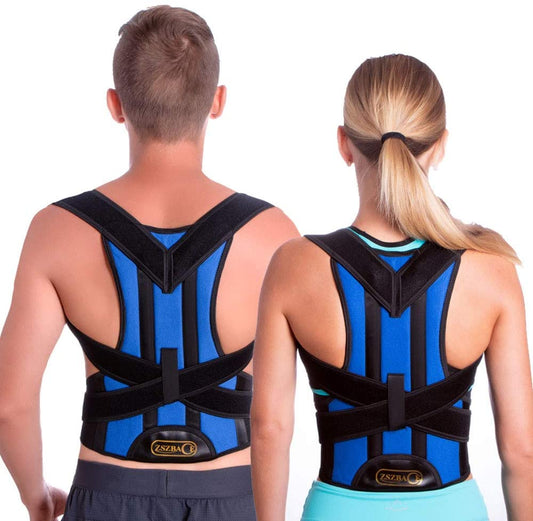
Lumbar Back Support Brace
Adjustable lumbar support brace with a low-profile fit for everyday lower back support.
Why it may help: This style may appeal to readers who want a lower-profile brace option for light daily support while reducing motions that aggravate the lower back.
Practical reminders during recovery
- Follow the movement limits your doctor gives you
- Do not assume pain medicine alone means the fracture is improving
- Avoid rushing back into lifting, housework, or exercise
- Use a brace only as directed for fit and wear time
- Keep follow-up appointments even if you feel somewhat better
Nonsurgical treatment works best when all parts of the plan are used together: smart activity choices, pain control, follow-up care, and support when needed.
FAQ: Nonsurgical treatment for spine compression fractures
Can a compression fracture heal on its own?
Many stable compression fractures can heal without surgery, but they still need medical evaluation and a treatment plan. "On its own" should not mean ignoring symptoms, because activity limits, pain management, and follow-up care are often needed during healing.
What is the best pain relief for a fractured vertebra?
The best option depends on your pain level, overall health, and what your doctor recommends. Many people use over-the-counter medication, while others need short-term prescription pain relief. Severe or persistent pain should be reassessed rather than self-treated for too long.
How long does a spine compression fracture take to heal without surgery?
Many people start improving within several weeks, and some fractures heal in roughly two to three months. Recovery may take longer in older adults or in people with osteoporosis.
Does everyone with a compression fracture need a back brace?
No. A brace can be helpful for some people, but not every fracture is managed the same way. The decision depends on the fracture pattern, symptoms, and your clinician's recommendation.
When should I worry about a compression fracture?
Seek urgent medical attention for worsening pain, new weakness, numbness, difficulty walking, or bowel or bladder changes. These symptoms need prompt evaluation.