
How to Use a Posture Corrector Safely for Better Daily Support
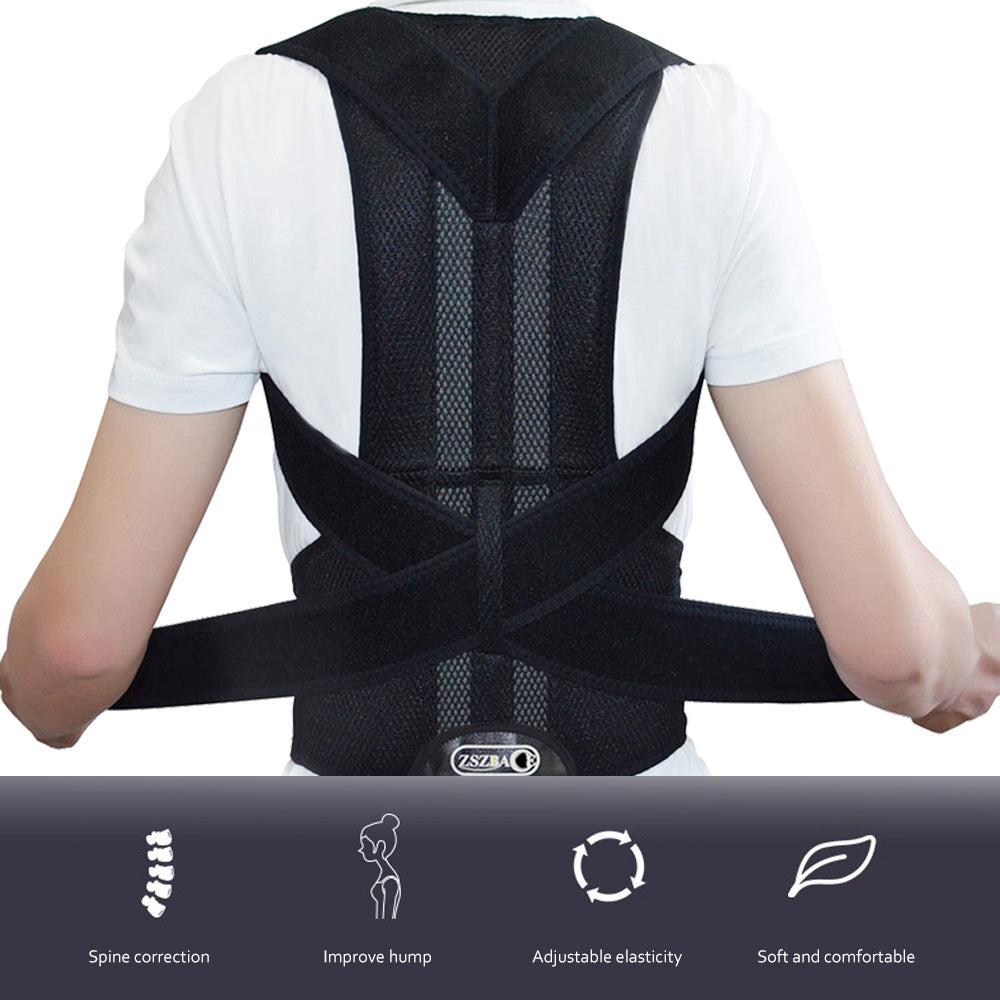
If you spend long hours at a desk, drive often, or catch yourself rounding your shoulders over a phone, you are not alone. Daily habits can gradually lead to slouching, upper-back tension, and soreness through the neck and shoulders. A posture corrector can be a useful training tool for improving body awareness and encouraging better alignment during everyday activities.
That said, posture support works best when used correctly. It should support your efforts to build better habits, not replace movement, stretching, or medical care when pain is significant.
What a posture corrector is designed to do
A posture corrector is generally worn around the shoulders and upper back to gently remind you not to slump forward. Some support styles also include lower-back support. For many people, the main benefit is cueing better posture during work, walking, or light daily tasks.
When posture improves, some people notice less strain across the shoulders, upper back, and lower back. It may also help you become more aware of habits such as leaning forward, collapsing through the chest, or sitting without lumbar support.
Who may benefit from posture support
A posture brace may be worth considering if you:
- sit for long periods at a computer
- often look down at a phone or tablet
- feel mild tension in the shoulders or upper back from slouching
- want help building awareness of a more upright position
- need light daily support during routine activity
It can be useful for both men and women as long as the fit is comfortable and adjustable. The goal is not to force a rigid position, but to encourage a more natural one.
How to wear a posture corrector safely
One of the most common mistakes is wearing a posture brace too tightly or for too long right away. A better approach is to start gradually so your body can adjust.
- Begin with short sessions, such as 15 to 25 minutes.
- Increase wear time slowly over several days if it feels comfortable.
- Use it as a posture reminder during work, household tasks, or short periods of walking.
- Keep the straps snug but not restrictive.
- Remove it if you notice numbness, pinching, or unusual discomfort.
Many people use posture support for a few hours a day rather than all day. Think of it as a training aid that helps reinforce better habits over time.

Posture support and daily wear tips
A practical overview of how posture support is typically used for daily alignment awareness.
Why it may help: Useful if you are comparing whether a posture brace fits your desk-work or daily routine needs.
What a posture corrector may help with
When used appropriately, a posture corrector may help reduce discomfort linked to poor positioning and repetitive daily strain. People often use this kind of support when dealing with:
- slouching at a desk
- rounded shoulders
- mild back fatigue during the day
- neck and shoulder tension related to posture habits
- general discomfort after prolonged sitting
However, posture support is not a cure-all. If pain is severe, persistent, radiates down the arms or legs, or follows an injury, it is best to seek professional medical advice.
Common mistakes to avoid
Even a well-designed support brace can be less helpful if used the wrong way. Watch out for these common issues:
- Over-tightening the straps: Too much tension can feel uncomfortable and may discourage regular use.
- Wearing it all day: Long wear time can make the brace feel more like a crutch than a reminder.
- Ignoring workstation setup: A poor chair, low screen, or unsupported lower back can keep posture problems going.
- Skipping movement breaks: Standing up, stretching, and changing positions still matter.
- Expecting instant results: Better posture usually comes from consistency and awareness, not one quick fix.
Simple habits that work well with a brace
If you want better results from posture support, combine it with a few practical changes:
- Keep your screen closer to eye level.
- Relax your shoulders instead of shrugging them upward.
- Place both feet flat on the floor when sitting.
- Take brief standing or walking breaks every 30 to 60 minutes.
- Do gentle chest-opening and upper-back mobility exercises.
These small habits often make a bigger difference than relying on support gear alone.
When a back support brace may be a better fit
Some people need more than shoulder-position reminders. If your discomfort is centered more around the lower back during daily activity, lifting, or long periods of standing, a back support style may be more appropriate than a standard posture corrector.
The original article referenced an adjustable back brace with lumbar pad as an option for lower-back support. That type of brace is typically considered when someone wants extra support during routine activity, especially when lower-back strain is the main concern rather than rounded shoulders alone.
How to choose the right support for your needs
When comparing posture and back support options, think about your main discomfort area first:
- Upper back and shoulders: A posture corrector may be the better match.
- Lower back strain: A lumbar-focused back brace may make more sense.
- Need adjustability: Look for adjustable straps so you can personalize the fit.
- Daily wear comfort: Choose a design you can realistically tolerate for short, regular sessions.
The best support is usually the one you will use consistently and correctly.
Final thoughts
A posture corrector can be a helpful part of your routine if your goal is to reduce slouching and build better posture awareness. It is most useful when worn in moderation, adjusted comfortably, and paired with movement, better desk setup, and healthier daily habits.
If your discomfort is ongoing or getting worse, it is wise to speak with a healthcare professional before relying on any brace for long-term relief.
FAQ
How long should you wear a posture corrector each day?
It is usually best to start with short sessions, such as 15 to 25 minutes, and increase gradually if it feels comfortable. Many people use a posture corrector as a short daily training tool rather than wearing it continuously all day.
Can a posture corrector help with back and shoulder discomfort?
It may help reduce discomfort related to slouching, rounded shoulders, and poor daily positioning. It is most likely to help as part of a broader routine that also includes movement, stretching, and ergonomic adjustments.
Should a posture corrector be tight?
No. It should feel supportive but not restrictive. If the straps feel overly tight, cause pinching, or make breathing or movement uncomfortable, the fit should be loosened.
Is a posture brace the same as a back brace?
Not always. A posture brace usually focuses on shoulder and upper-back alignment, while a back brace may provide more targeted support to the lower back. The better choice depends on where you need support most.